Boston, MA’s climate places steady stress on residential roofing systems. Snow, coastal winds, heavy rain, and freeze-thaw cycles quickly expose weak workmanship. An uncertified roofing contractor may seem convenient at first. Problems often appear within a few seasons.
Without skilled oversight, homeowners face preventable repairs and structural damage.
Key Takeaways
- A non-certified roofing contractor in Boston increases the risk of hidden installation defects during severe weather.
- Certified roofing professionals follow manufacturer standards that protect warranties and strengthen long-term performance.
- Boston’s freeze-thaw cycles require disciplined installation methods that inexperienced crews often miss.
- Careful credential verification before selecting a roofing contractor reduces costly corrections and insurance disputes.
How Certified Roofers Protect Boston Homes from Costly Mistakes
Boston weather exposes weaknesses quickly. Minor installation flaws can escalate into major repairs. Ice buildup, wind uplift, and snow loads test every roofing detail. Certified contractors apply training and field experience to reduce risk. During a professional roof inspection process, crews identify weak points early. Precision during installation prevents future failures.
Proper Material Selection for Coastal and Urban Conditions
A certified roofing replacement contractor reviews salt exposure, wind pressure, and snow loads before choosing materials. This evaluation often happens during a planned roof replacement project. Homes near the harbor require corrosion-resistant components.
A qualified roofing contractor selects coatings and fastening systems built for coastal durability. Untrained installers often prioritize price over long-term performance.
Installation Methods That Withstand Freeze and Thaw Cycles
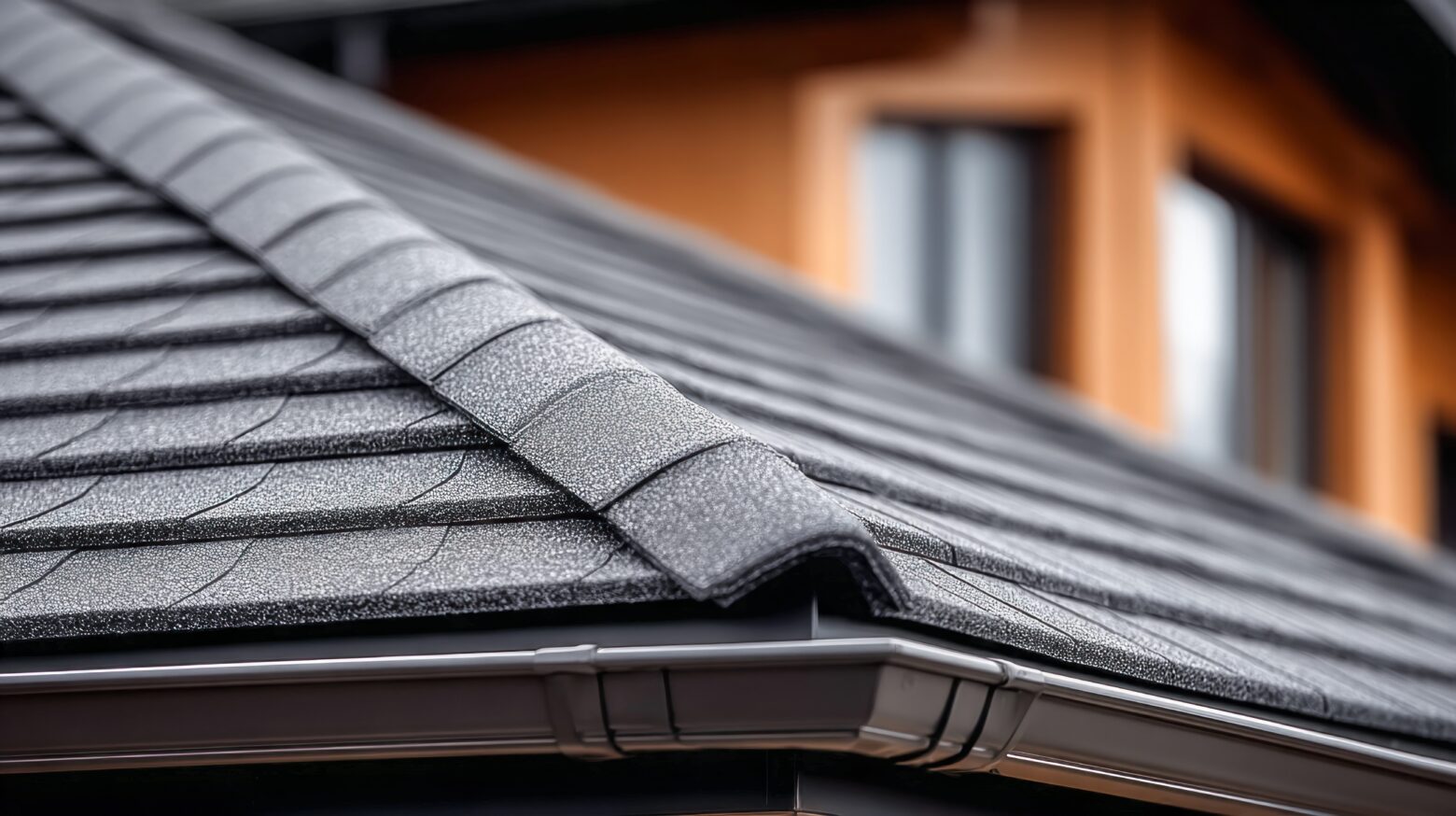
Freeze-thaw cycles place stress on flashing, shingles, and underlayment. Certified crews install each layer according to manufacturer specifications.
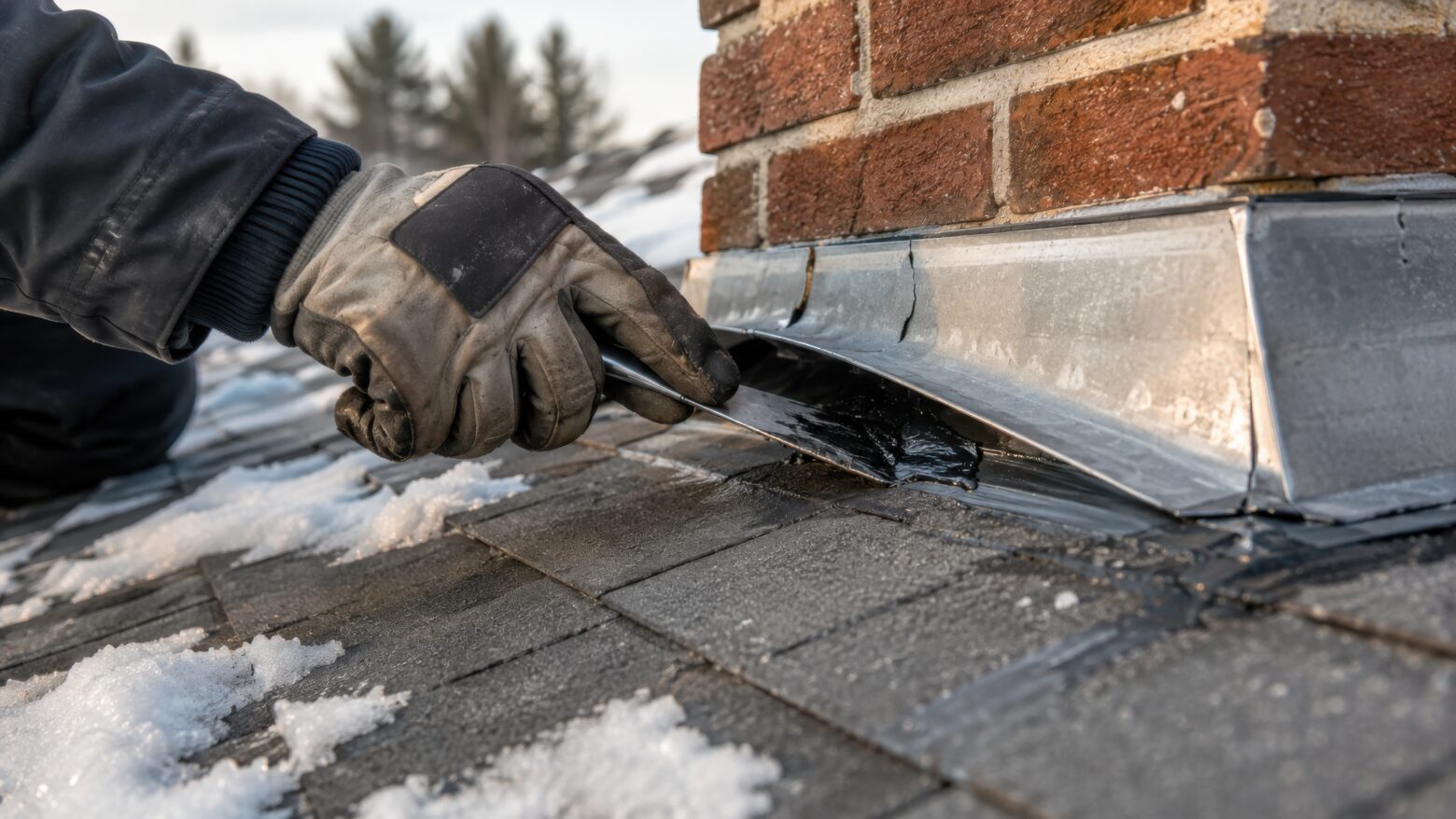
Accurate fastening and sealing block moisture intrusion. Water that cannot penetrate the system cannot expand during freezing temperatures. Careful installation reduces the need for future roofing repair visits.
Warranty Protection Through Manufacturer Compliance
Manufacturers set strict installation standards to preserve warranty coverage. A certified roofing contractor near me follows those standards closely. Improper installation by a non-certified roofing contractor can void protection.
When coverage fails, homeowners assume repair costs themselves.
Code Compliance and Inspection Readiness
Massachusetts building codes address ventilation, ice barriers, and structural loads. The Massachusetts Board of Building Regulations and Standards publishes official construction requirements.
A certified residential roofing contractor near me stays aligned with these regulations. Proper compliance supports smooth inspections and steady timelines.
Crews without training may overlook required details. Missed requirements lead to rework and added expense.
What to Check Before Hiring a Roofer in Boston
Credentials require close evaluation. Roofing work affects structural integrity and long-term value. Drainage components may also require coordinated gutter replacement to protect the exterior envelope.
Thoughtful screening protects your investment. A disciplined hiring process reduces future complications.
Verified Certifications and Manufacturer Training
A certified roofing contractor near me should provide documented proof of manufacturer training. Homeowners should review credential numbers and confirm them with the manufacturer.
This step verifies technical training and active status. Direct verification strengthens confidence before signing any agreement.
Local Experience with Boston Weather Patterns
Boston roofing systems face challenges distinct from those in warmer climates.
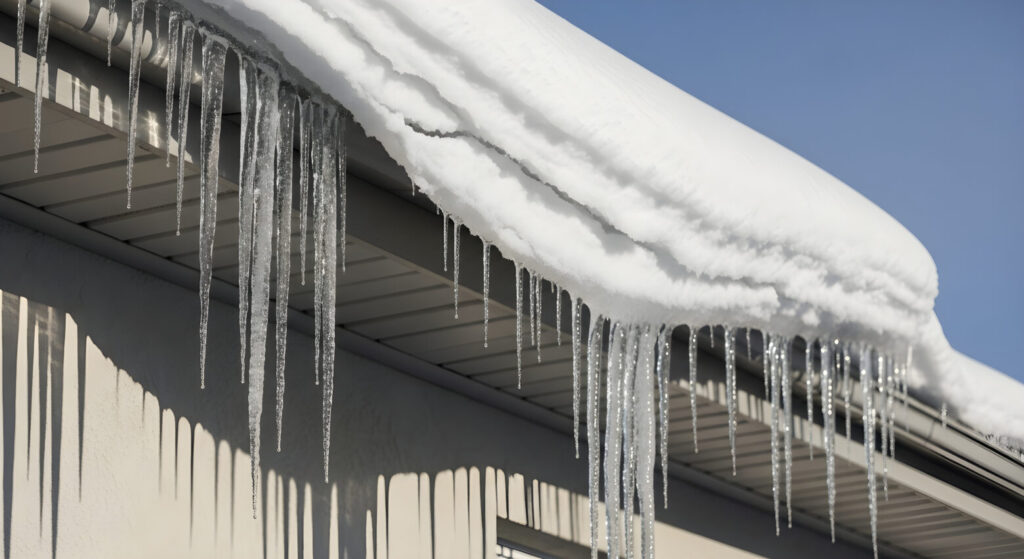
For example, a roofing contractor in Houston may prioritize heat resistance and storm surge protection. Boston homes require careful ice dam prevention and ventilation balance.
Local experience improves performance under regional weather stress.
Clear Scope of Work and Communication Standards
A trusted roofing contractor presents a detailed written scope of work before work begins.
The proposal should define materials, ventilation adjustments, flashing replacement, and cleanup steps. Clear documentation prevents confusion during installation. Strong communication builds accountability throughout the project.
Proof of Insurance and Proper Licensing
Before hiring any roofing repair contractor or commercial roofing contractor, confirm active insurance coverage. Roofing projects involve fall risks and structural exposure. Valid insurance protects homeowners from liability.
The Massachusetts Office of Consumer Affairs and Business Regulation provides public resources for verifying credentials. Proper licensing confirms compliance with state construction regulations.
Protect Your Boston Home with Certified Craftsmanship That Holds Up Over Time
Vault Roofing delivers certified craftsmanship built for Boston’s demanding climate. Each roofing system is installed with precision and long-term value in mind. If you are ready to move forward with steady guidance and dependable protection, contact us to schedule your consultation.
Frequently Asked Questions
Why does certification matter when hiring a roofing contractor in Boston?
Certification verifies manufacturer training and approved installation standards. In Boston’s climate, proper installation protects warranty coverage. It also limits premature failure caused by snow loads, ice buildup, and wind exposure.
How can I verify a roofing replacement contractor’s credentials?
Request written documentation of certifications, licensing, and insurance coverage. Reputable professionals provide proof without hesitation. You can confirm certification directly with the manufacturer. Independent verification ensures the roofing replacement contractor meets required standards.
Are asphalt shingles a reliable choice for Boston weather?
Asphalt shingles perform well in Boston when installed according to manufacturer guidelines. Proper underlayment, ventilation, and ice barrier placement are critical in freeze and thaw conditions. Certified installation helps shingles resist wind uplift, moisture intrusion, and premature wear.
What risks come with hiring a non-certified roofing repair contractor?
Non-certified contractors may ignore manufacturer specifications or miss critical flashing details. Warranty protection can become void. In Boston’s climate, small installation mistakes often lead to leaks, structural damage, and expensive repairs.