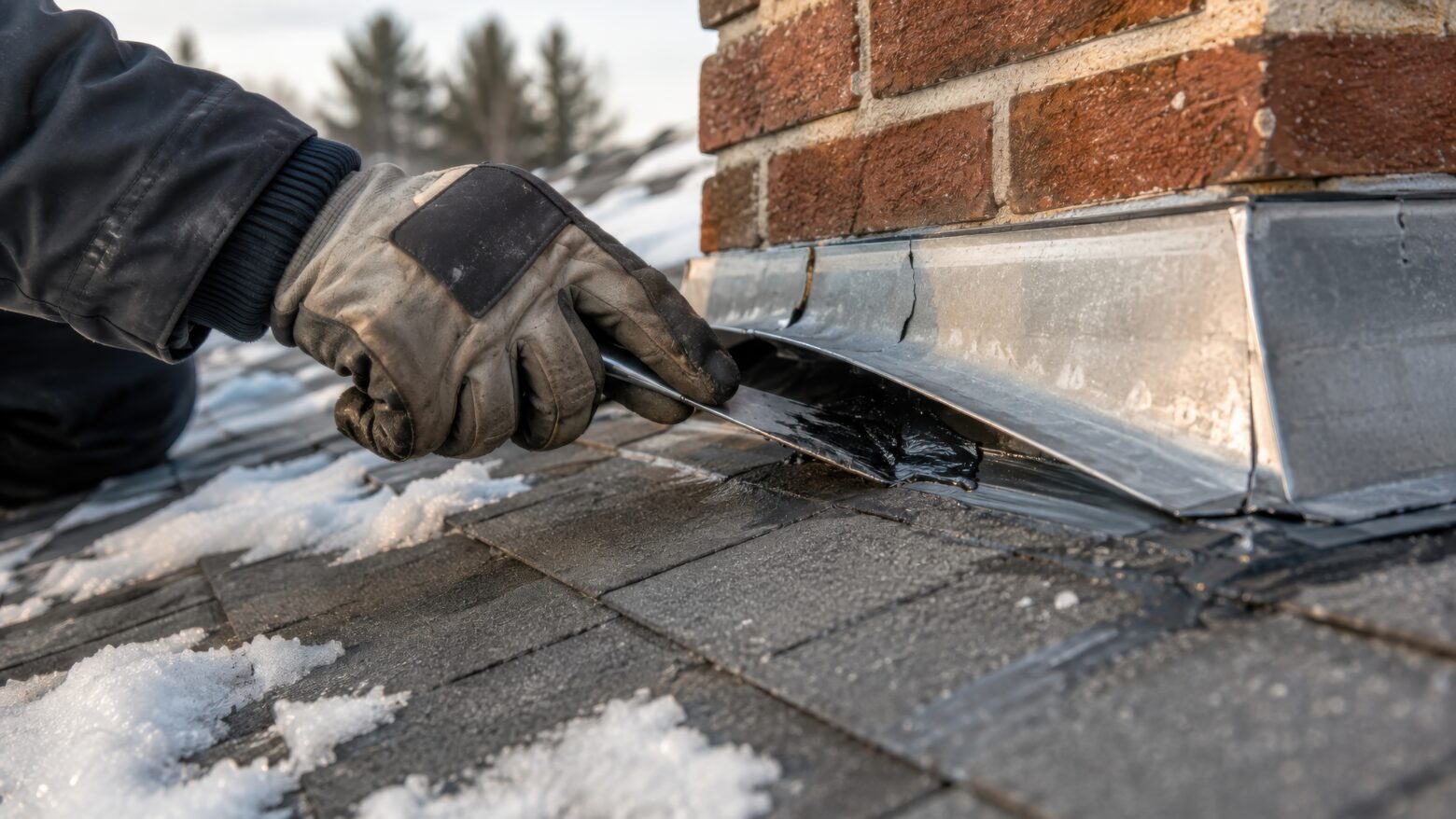

Boston, MA homes face coastal wind, snow, rain, and repeated freeze-thaw cycles each year. Those conditions make roofing performance especially important. Understanding how asphalt shingles have changed helps homeowners compare older roofs with newer materials. Modern shingles now use stronger construction, improved sealants, and more precise fastening systems.
Key Takeaways
- Modern asphalt shingles can provide stronger sealing, fastening accuracy, and weather resistance than many older products.
- Reinforced nailing zones can improve fastening precision and enhance performance in strong Boston winds.
- Boston homeowners should evaluate the complete roofing system, not only the visible shingles.
- Installation quality, ventilation, moisture protection, and warranty coverage all influence long-term roof performance.
How Modern Shingles Improve Protection for Boston Homes
Modern asphalt shingle durability comes from advances in materials, construction, and installation design. Today’s asphalt shingles incorporate improvements that help Boston roofs better withstand coastal weather and winter temperature swings.
Reinforced Nailing Zones Improve Fastening Strength
Many modern shingles include clearly defined and reinforced nailing zones. These areas help installers position fasteners accurately. Better fastening can reduce shingle movement during strong coastal winds. That difference matters when comparing modern vs older asphalt shingles.
Improved Sealants Strengthen Wind Resistance
Modern shingles use sealant strips that bond overlapping courses after installation. Stronger adhesion supports asphalt shingle wind resistance during gusty weather. Boston homes can face wind-driven rain during coastal storms. Proper installation still determines how well those seals perform.
Layered Construction Increases Durability
Architectural shingles use laminated layers instead of a simple flat design. That construction adds strength in areas exposed to repeated stress. These improvements in asphalt shingles can reduce tearing and separation. The added strength is useful during Boston’s changing seasonal conditions.
Enhanced Moisture Protection Reduces Water Risk
Modern roofing systems often include underlayment and ice barriers beneath the shingles. These products physically block moisture from reaching vulnerable areas of the roof. Boston freeze-thaw cycles can push moisture toward roof edges and eaves. Added moisture protection helps shield the roof deck in those locations.
Cold-Weather Materials Improve Flexibility
Some modern products use modified asphalt that stays more flexible at lower temperatures. This flexibility can reduce cracking under certain winter conditions. These features can improve the performance of asphalt shingles in cold weather. Product performance still varies by manufacturer and roofing system.
Updated Installation Standards Improve Consistency
Manufacturers now provide detailed requirements for fastening, ventilation, starter shingles, and cold-weather application. These standards support more consistent installation. Modern materials perform best when installers follow those requirements carefully. Thoughtful craftsmanship remains essential to long-term performance.
What to Prioritize When Planning Your Roof Replacement
Material improvements alone do not determine how well a roof replacement will perform. Boston homeowners should evaluate the complete roofing system before making a final decision.
Match Shingle Performance to Boston Weather
Boston roofs face coastal wind, snow, rain, and repeated temperature changes. Asphalt shingles for Boston weather should be suited to local conditions. Homes closer to Boston Harbor may also experience more moisture and salt exposure. Homeowners should compare documented product performance before choosing shingles.
Evaluate Ventilation Before Roof Replacement
Attic ventilation helps control heat and moisture below the roof deck. Poor airflow can trap moisture during cold Boston winters. Uneven roof temperatures can also affect shingle performance over time. A replacement plan should include a ventilation assessment.
Compare the Entire Roofing System
Shingles represent only one part of a finished roof. Underlayment, flashing, starter materials, ventilation, and ridge components all have separate roles. Each part helps manage a different source of exposure. Boston homeowners should compare full systems, not shingles alone.
Confirm Installation Standards Before Work Begins
High-quality shingles cannot overcome incorrect installation. Fasteners, flashing, and roof edges all require careful placement. Homeowners should confirm how manufacturer requirements will guide the work. Proper installation helps the roofing system perform during Boston’s demanding seasonal changes.
Understand Warranty Coverage
Warranty terms can vary between manufacturers and workmanship providers. Homeowners should review each type of coverage separately. Vault Roofing identifies its industry-leading lifetime warranty as part of its long-term value. Clear terms help reduce uncertainty after installation.
Start With a Professional Roof Inspection
A professional roof inspection can clarify whether an aging roof needs replacement. Curling shingles, granule loss, and moisture concerns can signal deterioration. Asphalt shingle lifespan in Boston also depends on coastal exposure and freeze-thaw cycles. An inspection helps homeowners plan with clearer information.
Schedule a Boston Roof Inspection Before Winter Weather Accelerates Shingle Wear
Vault Roofing helps Boston homeowners evaluate aging asphalt roofs before winter adds more stress to shingles, flashing, and moisture barriers. A professional inspection can identify wear related to coastal exposure, freeze-thaw cycles, or previous storms. Getting clear information before colder weather arrives can make replacement planning easier, so contact us when you are ready to schedule an inspection.
Frequently Asked Questions
How have asphalt shingles changed over the past 20 years?
Modern shingles use improved sealants, reinforced nailing zones, and layered construction. These updates can improve wind resistance, moisture protection, and durability when the roofing system is installed correctly and maintained over time.
Are modern asphalt shingles suitable for Boston weather?
Yes. Modern asphalt shingles can perform well in Boston with proper installation. Proper ventilation, underlayment, flashing, and ice protection help the roofing system withstand coastal winds, snow, moisture, salt exposure, and freeze-thaw cycles.
How long do asphalt shingles last in Boston?
There is no single asphalt shingle lifespan in Boston. Product quality, installation, ventilation, maintenance, coastal exposure, and freeze-thaw cycles all affect performance. Regular inspections help homeowners track aging and determine when replacement planning makes sense.
What should homeowners compare before choosing modern asphalt shingles?
Homeowners should compare wind ratings, material construction, fastening design, moisture protection, installation requirements, and warranty coverage. Modern asphalt shingle durability depends on the entire roofing system, as shingles cannot provide long-term protection on their own.