
A roofing warranty for Boston, MA homeowners can include three different layers of protection. Material coverage comes from the manufacturer. Labor coverage comes from the roofing contractor. Manufacturer-backed workmanship coverage can add another layer when a qualified contractor installs an eligible roofing system.
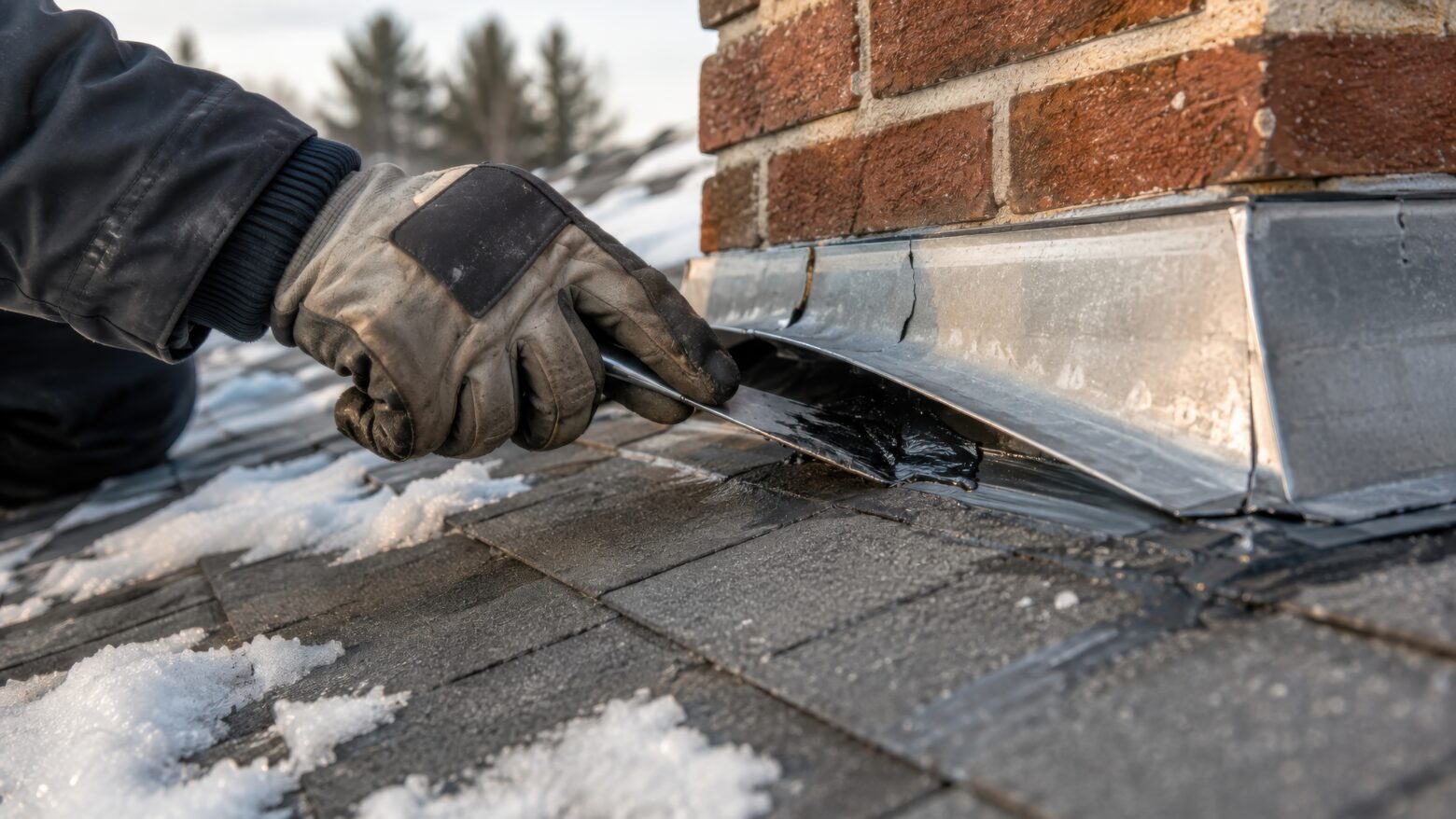
That distinction matters in Boston. Snow, ice damming, coastal moisture, and freeze-thaw cycles can expose roofing problems over time.
Understanding the difference between roof warranties helps you know who stands behind each part of the roof. It also helps you know where to turn when a problem develops.
Key Takeaways
- Material warranties address qualifying product defects, while contractor labor warranties address qualifying problems with the contractor’s installation work.
- Manufacturer-backed workmanship coverage can protect qualifying installation errors when an eligible roofing system meets the manufacturer’s requirements.
- Vault Roofing is an Owens Corning Platinum Preferred Contractor, which can provide access to Owens Corning’s strongest roofing system warranty options.
- A roofing warranty for Boston homeowners should also account for ventilation, eligibility requirements, and the roofing system installed on the home.
How Each Roof Warranty Protects Boston Homeowners
Roof protection is easier to understand when you separate materials, labor, and workmanship. Each layer answers a different question when something goes wrong.
Material Warranties Cover Qualifying Product Defects
What does a roofing manufacturer warranty cover? A roofing material warranty addresses qualifying defects in eligible roofing products. It protects against covered product failures, not installation mistakes.
Owens Corning provides material coverage for eligible asphalt shingles and roofing components under its written terms. Standard Owens Corning coverage includes product protection but no manufacturer workmanship coverage.
Labor Warranties Cover the Contractor’s Installation Work
A roofing labor warranty comes from the contractor who installed the roof. It covers qualifying problems tied to that contractor’s labor. Labor warranties often start at one year and commonly run around five years.
Their value depends on the contractor honoring the agreement and remaining in business. During a roof replacement, homeowners should ask for the labor terms in writing before installation begins.
Manufacturer Workmanship Coverage Adds a Second Layer
What does a roof workmanship warranty cover? Workmanship coverage is manufacturer-backed protection for qualifying installation errors. It is separate from the contractor’s labor warranty.
Vault Roofing is an Owens Corning Platinum Preferred Contractor. That status allows eligible homeowners to receive Owens Corning Platinum Protection when qualifying system requirements are met.
Owens Corning Platinum Protection includes a 50-year workmanship warranty. Coverage is non-prorated for the first 25 years. At year 26, it prorates to 50%, then reduces by 2% each year after that, down to a minimum of 20%.
Preferred Protection includes 10 years, while standard coverage includes no manufacturer workmanship coverage.
Platinum Preferred status matters because the workmanship protection is backed by Owens Corning. The homeowner files a claim directly with Owens Corning. If Owens Corning determines the roof was installed incorrectly, Owens Corning covers the qualifying issue. That protection still applies if the original contractor is no longer in business.
Owens Corning is a multi-billion-dollar multinational company. It was one of the original companies on the Fortune 500 list and remains on the list today.
The Cause of a Problem Determines Which Coverage May Apply
Boston roof problems do not always reveal their cause at first glance. Ice damming can force water beneath shingles and create interior leaks. A product problem or installation error can produce similar symptoms. A professional roof inspection can help identify the source before a claim begins. That diagnosis helps determine whether material, labor, or manufacturer workmanship coverage may apply.
Ventilation Can Affect Warranty Protection
Boston attics must manage moisture and temperature changes through every season. Poor airflow can contribute to heat buildup, trapped moisture, and winter ice damming. Ventilation requirements are highly technical, and many roofing contractors do not follow manufacturer requirements closely enough.
Small ventilation mistakes can affect the entire roofing system. Improper ventilation can also void manufacturer warranty protection.
Manufacturer-backed workmanship protection adds an important safeguard when eligibility requirements are met. If an uncertified contractor gets ventilation wrong and voids the warranty, the homeowner has no manufacturer backing to fall back on.
That difference matters in Boston, where snow, ice damming, freeze-thaw cycles, and coastal moisture can place added stress on the roof and attic.
Written Terms Define the Limits of Coverage
Roof warranty coverage depends on the written terms. A warranty name alone does not tell you everything. Product selection, contractor certification, registration, ventilation, and system components can affect eligibility. Owens Corning requires specific roofing components for its Preferred and Platinum Protection programs. Platinum Protection also requires installation by an Owens Corning Platinum Preferred Contractor.
What to Review Before Choosing Warranty Coverage
Warranty length tells only part of the story. Review who provides each layer and what must happen for that protection to remain valid.
Compare All Three Layers of Protection
Boston homeowners should compare material, labor, and manufacturer workmanship coverage separately. Winter moisture can expose an installation problem without indicating a defective shingle. A product defect creates a different warranty question. Contractor labor protection adds another consideration. Comparing all three layers makes the overall protection easier to understand before severe weather reveals a problem.
Check the Contractor’s Manufacturer Certification
Contractor certification can change the workmanship protection available to you. Owens Corning Preferred and Platinum Preferred Contractors can offer qualifying extended warranty options. Platinum Protection requires a Platinum Preferred Contractor. Owens Corning describes Platinum Preferred Contractors as the top tier of its contractor network. Only that tier can offer its strongest roofing system warranty.
Review Eligibility and Registration Requirements
Extended coverage depends on more than choosing a certain shingle. Preferred and Platinum Protection require qualifying Owens Corning roofing components. Current requirements include hip and ridge shingles, underlayment, and two additional qualifying components. Registration requirements also apply. Homeowners should confirm these details before installation rather than assuming shingles alone qualify.
Look Beyond the Stated Warranty Length
How long do roof warranties last? The answer depends on which layer you mean. Contractor labor warranties are generally at least one year and often around five years. Owens Corning Preferred Protection provides 10 years of workmanship coverage.
Platinum Protection provides a 50-year workmanship warranty, with non-prorated coverage for the first 25 years. Boston’s repeated winter cycles make the scope of that protection as important as the stated term.
Confirm the Warranty Details Before Signing
Review all warranty details before finalizing your roofing agreement. Ask which coverage protects the materials. Confirm the contractor’s labor warranty separately. Then verify whether manufacturer workmanship coverage applies.
Homeowners should also ask about ventilation requirements and qualifying system components. Clear answers before installation can prevent confusion after a Boston winter exposes a problem.
Confirm Which Warranty Documents You Will Receive
Ask which warranty documents you will receive before choosing coverage. Confirm the contractor labor terms in writing. Make sure the manufacturer documents identify the applicable material and workmanship protection. Registration records should also show the warranty program selected. Those documents give you a clear record if you need to file a claim later.
Review Your Coverage Before Boston Weather Tests Your Roof Again
Vault Roofing helps homeowners understand the workmanship and manufacturer protection connected to their roofing systems. Clear warranty details can reduce uncertainty before Boston’s next season brings snow, ice, heavy rain, or coastal winds.
Reviewing your coverage now also gives you time to clarify requirements before a roofing concern appears. When you are ready, contact us to review your coverage and plan the right next step for your home.
Frequently Asked Questions
What does a roof workmanship warranty cover?
Manufacturer-backed workmanship coverage protects qualifying installation errors under the warranty terms. Owens Corning offers this protection through eligible Preferred and Platinum Protection programs when certified contractors install qualifying roofing systems.
What does a roofing manufacturer warranty cover?
A manufacturer warranty generally covers qualifying defects in eligible roofing materials. Owens Corning product protection follows specific terms, component requirements, and eligibility rules. Manufacturer workmanship protection is separate and requires qualifying extended coverage.
How long do roof warranties last?
Contractor labor warranties are generally at least one year and often around five years. Owens Corning Preferred Protection includes 10 years of workmanship coverage. Platinum Protection includes a 50-year workmanship warranty, non-prorated for the first 25 years.
What is the difference between a labor warranty and a workmanship warranty?
A labor warranty comes from the roofing contractor and covers qualifying installation work. Manufacturer workmanship coverage comes from Owens Corning through eligible warranty programs and protects qualifying installation errors under its written terms.
What happens if my roofing contractor goes out of business?
A contractor’s labor warranty may become difficult to use if that company closes. Qualifying Owens Corning workmanship coverage remains manufacturer-backed, so an eligible claim does not depend solely on the original contractor remaining in business.
Can poor ventilation void a roof warranty?
Yes. Improper attic ventilation can damage shingles and invalidate manufacturer warranty protection. Boston homeowners should confirm balanced intake and exhaust ventilation because moisture, snow, ice damming, and temperature swings can increase attic stress.
Why should Boston homeowners review all three warranties before roof replacement?
Material, labor, and manufacturer workmanship coverage protect different risks. Reviewing all three helps Boston, MA homeowners understand who provides each protection, which requirements apply, and where to turn if a roofing problem develops.