Coastal Massachusetts homes face harsh roofing conditions year-round. In Boston, MA, salt air, snow, wind-driven rain, and temperature swings all contribute to premature roof wear. These conditions also reduce the roof lifespan in Massachusetts. Most roof failures develop gradually rather than from a single event. Understanding these risks helps Boston homeowners protect their investment with greater confidence.
Key Takeaways
- Coastal roof deterioration in Boston accelerates because of salt air, wind exposure, and long-term moisture intrusion.
- Freeze-thaw roof damage weakens shingles and flashing during harsh Massachusetts winters.
- Roof ventilation problems worsen asphalt shingle damage caused by trapping excess heat and moisture.
- Recognizing signs of a failing roof early helps homeowners extend the roof’s lifespan in Massachusetts through timely inspections.
Preventing Coastal Roof Damage in Greater Boston Homes
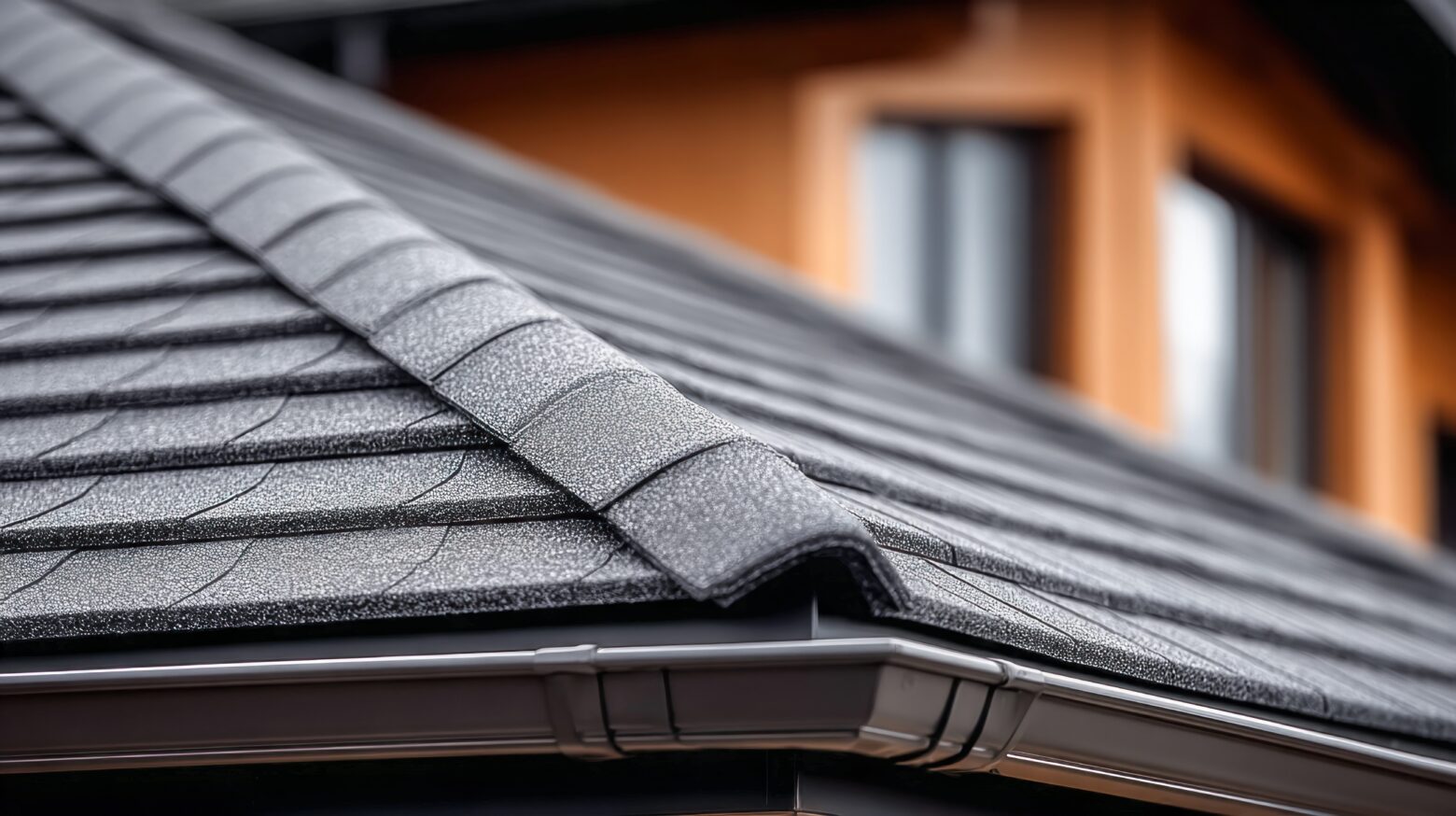
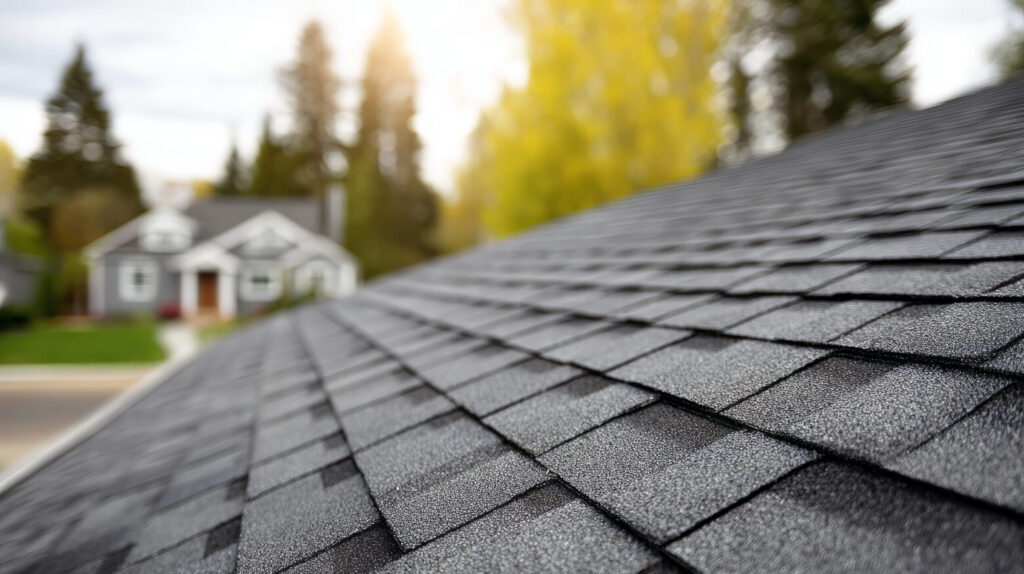
Boston’s coastal climate places constant stress on roofing systems. Each environmental factor affects roofing materials differently. Early attention helps reduce premature roof wear and long-term structural damage, especially when homeowners understand how asphalt shingles perform in coastal environments.
Protect Roofing Materials From Salt Air and Coastal Moisture
Homes near Boston Harbor, South Boston, and nearby shoreline communities are constantly exposed to salt-laden air. Salt particles settle on shingles and flashing over time, accelerating coastal roof deterioration. This exposure weakens protective granules and corrodes fasteners and metal components. Older roofing systems often show damage sooner because years of exposure gradually break down protective materials.
Address Freeze-Thaw Damage Before Cracks Worsen
Boston winters often bring temperatures that fluctuate between freezing and above-freezing within days. Moisture enters small cracks in shingles and expands as it freezes. This process causes freeze-thaw roof damage, widening gaps and lifting roofing materials. Repeated cycles weaken adhesion strips and underlayment, increasing the likelihood of leaks as temperatures rise in spring and prompting many homeowners to schedule a professional roof inspection to evaluate hidden structural concerns.
Prevent Ice Dams Along Roof Edges and Eaves
Ice dams commonly develop in Greater Boston homes with aging attic insulation or poor ventilation balance. Snow melts unevenly and refreezes along the eaves, forcing water beneath shingles. This ice-dam roof damage often remains hidden until moisture stains appear on ceilings or walls inside the home, and, in more severe cases, can accelerate the need for a full roof replacement if structural components are compromised.
Improve Roof Ventilation to Reduce Heat and Moisture Buildup
Improper attic ventilation in Massachusetts shortens the roof’s lifespan by trapping heat and humidity beneath the decking. During summer, excessive heat dries protective oils and weakens seal strips, accelerating the damage to asphalt shingles. In winter, trapped moisture increases condensation, encourages mold growth, and contributes to structural deterioration beneath the roofing system.
Inspect Flashing for Wind-Driven Rain Intrusion
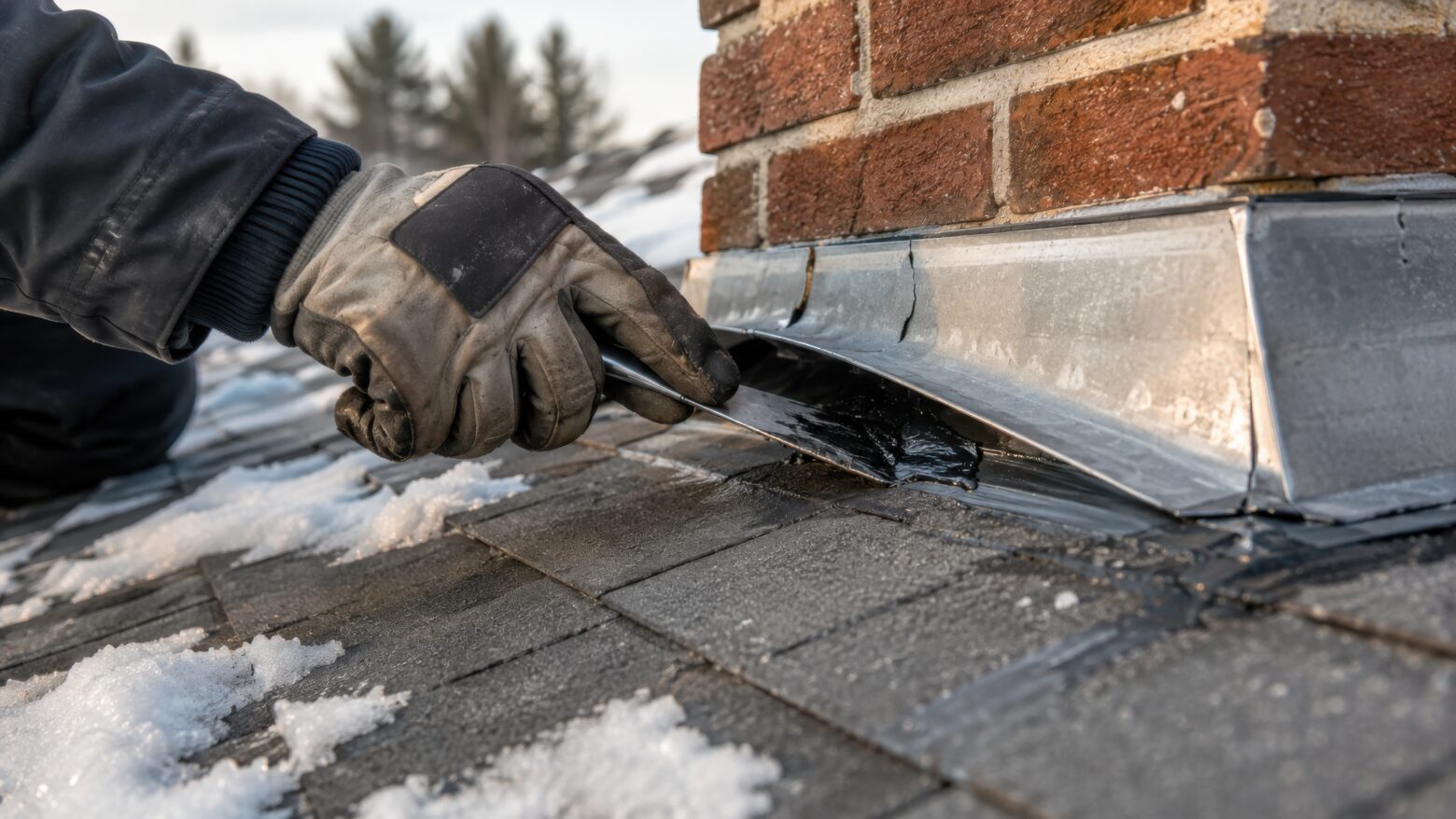
Boston’s coastal storms frequently drive rain sideways against chimneys, vents, and roof penetrations. Aging or poorly sealed flashing allows moisture to bypass shingles and reach vulnerable underlayment layers. These repeated intrusions commonly contribute to premature roof wear in exposed coastal neighborhoods, especially when drainage systems, such as gutter replacement components, are aging or improperly maintained.
When Massachusetts Homeowners Should Plan Roof Inspections or Replacement
Timing is important in coastal roofing maintenance. Small roofing issues rarely improve without intervention. Consistent inspections help homeowners prevent larger structural problems, particularly when paired with periodic roof inspection evaluations following severe weather.
After Severe Coastal Storms
After Nor’easters or strong coastal wind events, homeowners should inspect roofs for lifted shingles and displaced flashing. Damage may appear minor from the ground, but storms often loosen underlying fasteners. Early inspections help prevent minor wind damage from developing into chronic leaks.
When Signs a Roof Is Failing Early Appear
Granule loss in gutters, curling shingles, and dark streaking often indicate accelerated material deterioration. These are common signs that a roof is failing early in coastal Massachusetts conditions. Prompt repairs help prevent more serious damage to decking, insulation, and interior structures.
At the Midpoint of the Expected Roof Lifespan in Massachusetts
Even properly installed asphalt roofing systems benefit from professional evaluation midway through their expected service life. Boston’s climate places continuous stress on roofing materials, and environmental exposure can shorten performance timelines. A midlife inspection helps homeowners determine whether maintenance can extend durability or if replacement planning makes more sense.
When Recurring Interior Moisture Is Noticed
Water stains near ceilings or exterior walls often indicate gaps in flashing or deterioration of underlayment. Recurring interior moisture usually signals underlying deterioration of the coastal roof. Prompt evaluation helps prevent structural rot and protects attic framing from long-term damage.
Stop Small Coastal Roof Problems Before They Become Costly Structural Repairs
Vault Roofing helps Boston homeowners stay ahead of premature roof wear with guidance tailored to Massachusetts coastal conditions. Addressing early signs of deterioration can preserve long-term roof performance and reduce the risk of expensive structural damage. If your roof has experienced storm exposure, moisture concerns, or visible aging, contact us to schedule a professional evaluation and move forward with greater confidence.
Frequently Asked Questions
How does coastal air affect the roof lifespan in Massachusetts?
Salt air accelerates coastal roof deterioration by breaking down shingle granules and corroding metal flashing. Over time, this exposure can shorten the roof’s lifespan in Massachusetts, especially in homes near Boston Harbor and in exposed shoreline communities.
What are the most common causes of asphalt shingle damage in Boston?
Common asphalt shingle damage in Boston includes freeze-thaw roof damage, prolonged moisture exposure, strong coastal winds, and roof ventilation problems. Together, these conditions weaken shingles and reduce long-term durability when maintenance issues remain unaddressed.
Can roof ventilation problems really cause premature roof wear?
Yes, roof ventilation problems trap excess heat and moisture inside the attic. This accelerates shingle aging and increases the risk of condensation. In Boston’s climate, these conditions contribute significantly to premature roof wear and reduced roofing system performance.
How often should Boston homeowners schedule roof inspections?
Boston homeowners should schedule roof inspections annually and after major coastal storms. Regular evaluations help identify signs of roof failure early. Timely repairs can extend the roof’s performance and reduce the risk of costly structural damage.