Boston, MA, homeowners planning a roof replacement in 2026 are seeing noticeable shifts in pricing. The average roof replacement cost in 2026 reflects regional factors that extend beyond materials alone. In Massachusetts, climate demands, labor conditions, and building requirements shape the final investment. These factors help homeowners move forward with clarity and confidence.
Key Takeaways
- Roof replacement costs in Massachusetts remain higher due to labor, regulations, and regional climate demands.
- Winter damage and ice buildup often increase roofing costs after winter storms due to prolonged snow exposure and freeze-thaw cycles common in Boston, MA.
- Architectural shingle roof cost varies based on ventilation, insulation, and structural complexity.
- A roof inspection before replacement reduces unexpected costs and delays by improving planning and preparation.
Why Boston Roof Replacements Cost More Than Expected
Boston’s roofing environment presents unique challenges that directly influence pricing. These factors become clearer during the roof replacement process and project planning. This clarity helps homeowners make informed decisions without surprises.
Labor Availability and Skilled Installation Requirements
Roof replacement projects in Boston require experienced crews who understand regional building codes and steep rooflines common in older homes. Limited labor availability and the need for skilled installation increase overall project pricing, especially during peak seasons.
Winter Damage and Ice Dams Impacting Roof Conditions
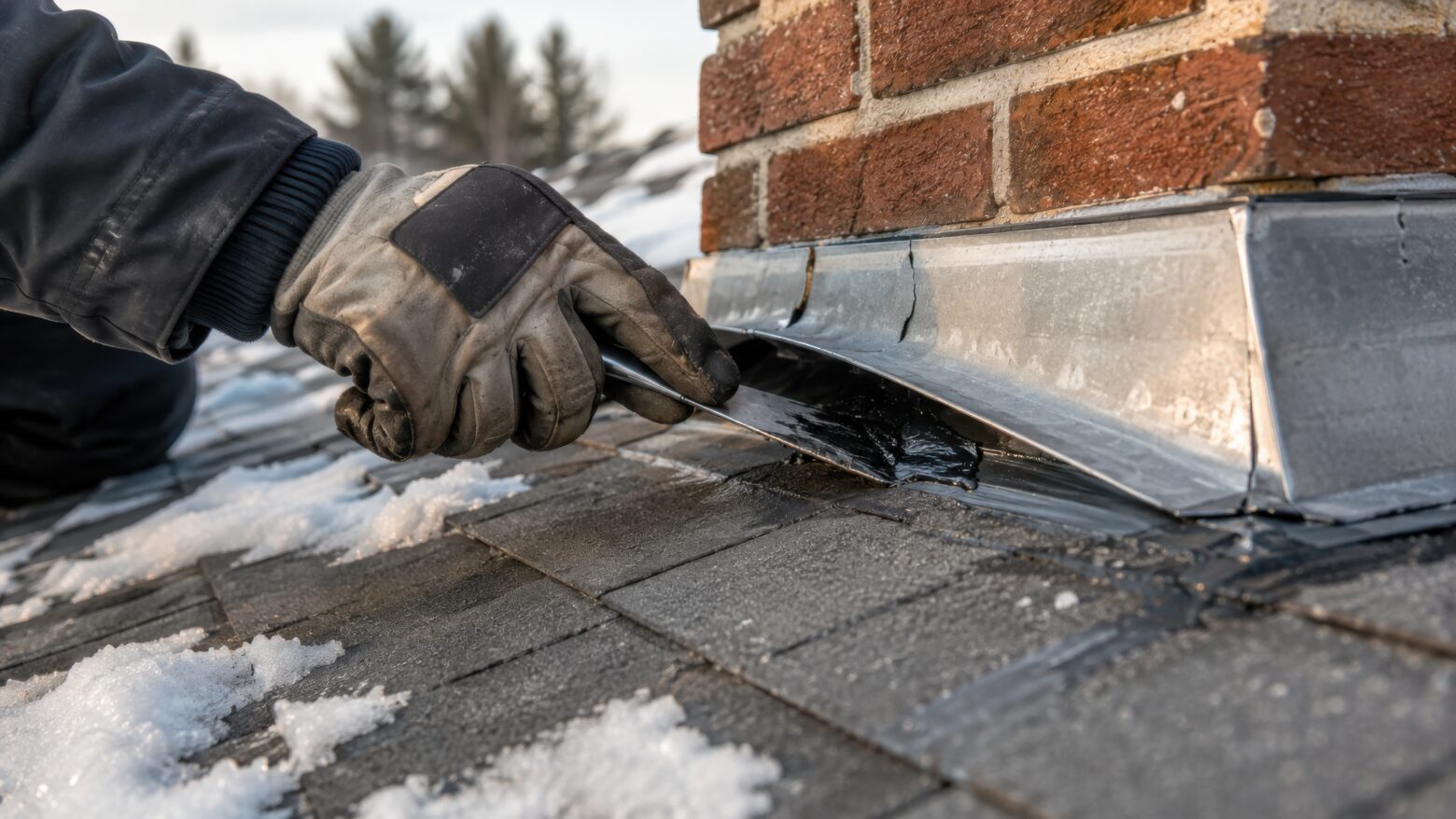
Heavy snowfall and freeze-thaw cycles create ongoing challenges for preventing ice-dam roof damage across Massachusetts. These conditions often damage underlying materials, which increases roofing costs after winter storms and expands the scope of repairs, especially when issues are identified during a roof inspection.
Strict Building Codes and Permit Requirements in Massachusetts
Massachusetts enforces detailed building codes that require proper ventilation, insulation, and structural compliance. These standards support long-term performance, but they also raise upfront costs because every system must meet strict requirements before approval.
Older Housing Stock and Structural Complexity in Boston Neighborhoods
Many homes in Boston and the surrounding suburbs include aging structures that require additional preparation before installation. Crews often address decking repairs, ventilation upgrades, and uneven framing, which can increase the cost of a new roof in Boston suburbs that homeowners may not initially expect.
Material Performance Requirements for New England Weather
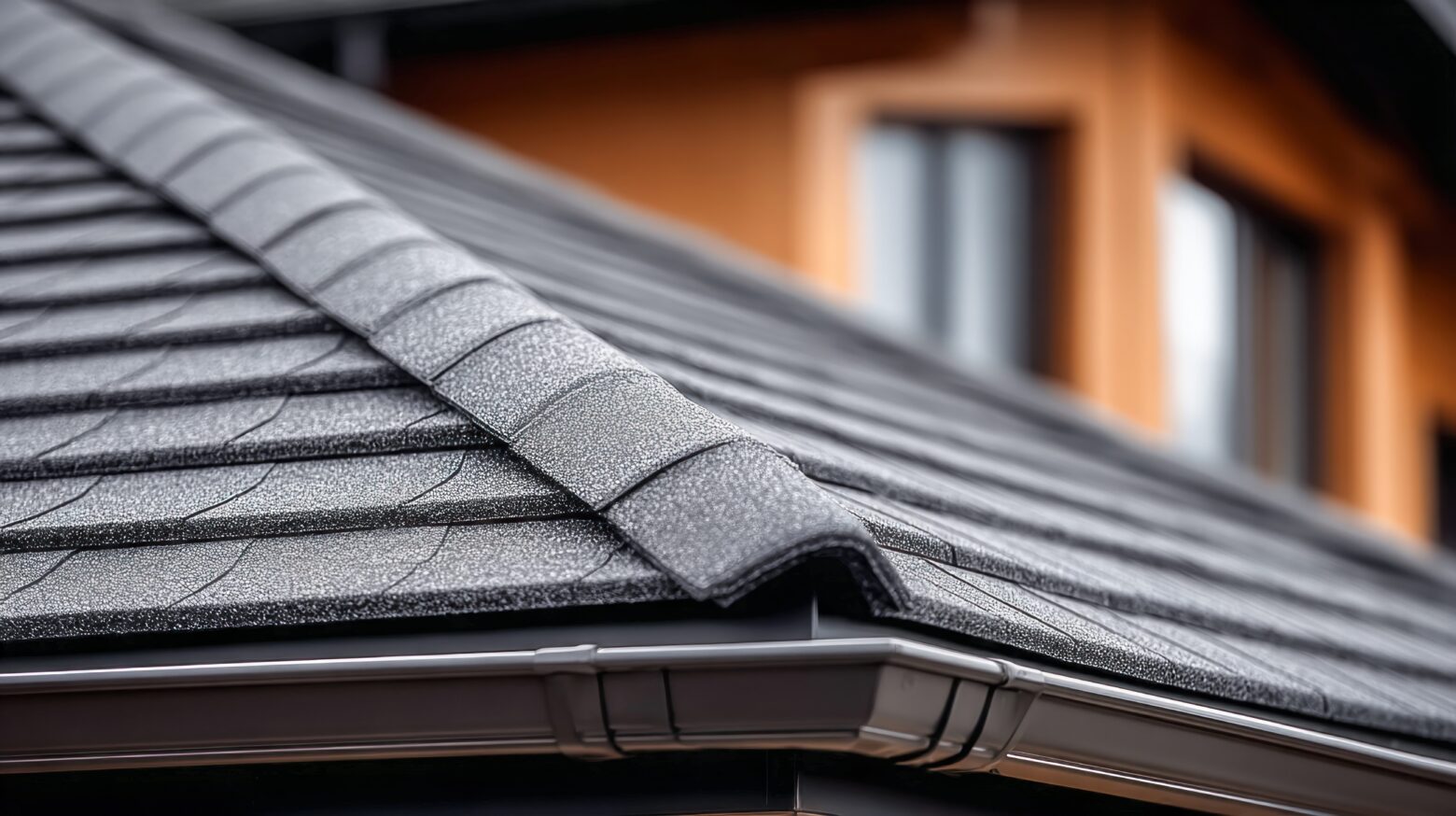
Roofing systems in New England must meet strict performance standards, including snow-load resistance, ice-and-water barrier requirements, and proper sealing against wind-driven rain. These technical requirements increase material specifications and installation complexity, especially when selecting asphalt shingles designed for regional durability, which directly raises overall project costs.
Budgeting Priorities for New England Roof Replacement Projects
In Boston, MA, roof replacement projects require clear priorities shaped by local weather and housing conditions. Homeowners benefit from focusing on long-term performance rather than short-term savings, including how roofing systems connect with gutter replacement to ensure proper water management. This approach helps ensure the investment delivers lasting value.
Prioritizing Proper Ventilation and Insulation Systems
Ventilation and insulation prevent moisture buildup and extend the roof’s lifespan. These systems reduce the risk of ice dams and improve energy efficiency. Proper airflow also helps maintain consistent attic temperatures, which supports long-term roof performance in Boston, MA.
Planning for Seasonal Timing and Project Demand
Roof replacement demand increases during the warmer months, affecting scheduling and pricing. Early planning helps homeowners secure preferred timelines and avoid peak-season pressure, especially when addressing roofing costs after winter storms. It also provides more flexibility in material selection and installation timing.
Understanding Financing Options for Roofing Projects
Roof replacement financing for Massachusetts homeowners often includes structured payment options that make large projects more manageable. Financing allows homeowners to complete necessary work without delay. This approach balances immediate needs with long-term planning.
Investing in Durable Materials for Long-Term Performance
Selecting higher-quality materials supports more predictable long-term budgeting by reducing the frequency of repairs and maintenance. While the initial investment may be higher, this approach helps homeowners avoid repeated costs and maintain consistent roof performance over time.
Completing a Thorough Roof Inspection Before Replacement
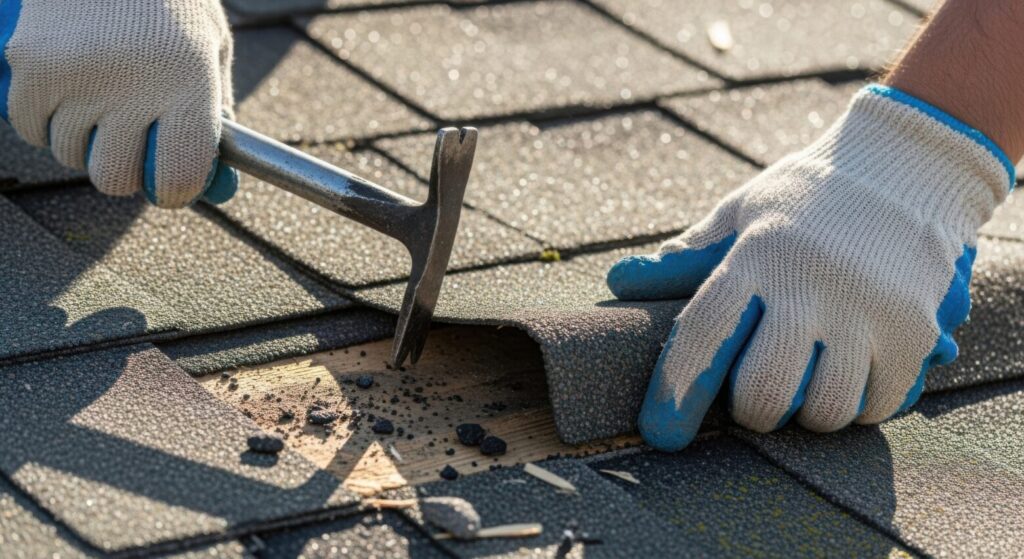
A detailed roof inspection before replacement identifies hidden issues that affect the project scope. Early assessment prepares homeowners for structural repairs and supports accurate budgeting. This step also clarifies the roof’s current condition before work begins.
Take the Next Step Toward a Roof That’s Built to Handle Boston’s Climate
Vault Roofing provides clear guidance and thoughtful craftsmanship for homeowners planning a roof replacement in Boston, helping you move forward with confidence and long-term clarity. When you are ready to move ahead with a roof built to handle New England’s climate and seasonal demands, contact us to schedule your inspection.
Frequently Asked Questions
What is the average roof replacement cost in Massachusetts in 2026?
The average roof replacement cost in 2026 in Massachusetts depends on home size, materials, and structural condition. Boston homeowners often pay higher prices due to labor shortages, weather-related repairs, and strict building code requirements.
Why are roofing costs higher after winter storms in Boston?
Roofing costs increase after winter storms because hidden damage often affects underlayment, decking, and insulation. Ice dams and moisture intrusion require additional repairs, which expand the overall scope of the project.
How does an inspection help before replacing a roof?
A roof inspection before replacement identifies structural concerns, ventilation issues, and hidden damage early. This process helps homeowners plan accurately, avoid unexpected costs, and ensure the new roofing system performs reliably over time.
Are financing options available for roof replacement in Massachusetts?
Roof replacement financing that Massachusetts homeowners consider often includes structured payment plans. These options help spread out the investment and make it easier to complete necessary roofing work without delaying essential improvements.