Attic ventilation plays a direct role in how well a roofing system performs over time in Troy, MI. Seasonal temperature swings, winter snow, and humid summer air constantly stress the attic space and roof deck. When homeowners overlook ventilation, they often face higher energy bills, moisture buildup, and recurring repairs.
Proper attic ventilation supports steady airflow, balanced temperature and moisture levels, and long-term roofing system performance.
Key Takeaways
- Proper attic ventilation helps regulate temperature and moisture levels, which protects roofing materials and the roof deck in Troy homes.
- Poor attic ventilation can lead to mold growth, wood rot, ice dams, and higher year-round energy costs.
- A balanced system of intake and exhaust vents supports continuous airflow and improves overall energy efficiency.
- Professional evaluation of a current ventilation system helps homeowners avoid long-term damage and unnecessary roof repairs.
How Proper Attic Ventilation Extends Roof Life in Troy Homes
Attic conditions directly affect roof durability in Troy homes. Heat and moisture problems often begin in the attic before becoming visible as roof damage.
Proper ventilation helps control these hidden stresses and supports long-term roof performance.
Reducing Excessive Heat That Breaks Down Roofing Materials
In many Troy homes, inadequate ventilation traps hot air in the attic during warmer months. Excessive heat accelerates the aging of roofing materials, weakens roof sheathing, and causes shingles to deteriorate faster than expected.
Proper attic ventilation allows hot air to escape through roof vents, helping protect the roofing system from premature wear and reducing the strain that can lead to early roof replacement.
Preventing Moisture Buildup That Leads to Structural Damage
Moisture accumulation is one of the most common issues we see in poorly ventilated attics across Troy. Humid air rises from living spaces and condenses on cooler surfaces such as the roof deck and attic insulation.
Over time, this moisture buildup contributes to wood rot, mold and mildew, and damage to both interior and exterior walls. Proper ventilation helps move moist air out before it causes structural damage.
Supporting Continuous Airflow Across the Attic Space
A well-designed ventilation system creates steady airflow by balancing intake vents and exhaust vents. Fresh air enters through soffit vents or other intake vents and exits through ridge vents, turbine vents, or gable vents.
This continuous flow keeps temperature and moisture levels stable, reducing stress on the roof deck and extending the life of the roofing system.
Reducing the Risk of Ice Dams During Michigan Winters
Cold winters in Troy often expose problems caused by poor attic ventilation.
Heat buildup in a poorly ventilated attic warms the roof surface, causing snow to melt and refreeze at the roof edges. These ice dams can force water under shingles and damage roof sheathing.
Proper attic ventilation keeps attic temperatures closer to outdoor conditions, helping prevent ice dams and winter roof-ventilation issues.
Improving Overall Roof Performance and Long-Term Reliability
From our service perspective, homes with adequate ventilation experience fewer roofing issues over time, including fewer unexpected roof repairs caused by moisture or heat damage. Proper airflow reduces heat and moisture stress on the entire roofing system, lowers the need for frequent repairs, and helps roofing materials perform as intended.
When homeowners manage attic ventilation correctly, roofs last longer and long-term maintenance costs stay lower.
Steps Troy Homeowners Can Take to Improve Attic Ventilation
Minor adjustments can make a measurable difference for Troy homeowners. Many homeowners are surprised by how minor ventilation changes improve airflow and reduce heat buildup.
Addressing these issues early helps prevent long-term roof and energy problems and reduces water management issues that often affect gutters and drainage systems.
Evaluate the Current Attic Ventilation System
The first step is understanding how your current ventilation system is performing. Many Troy homes have improper ventilation due to blocked soffit vents, insufficient exhaust vents, or outdated designs.
A professional inspection allows us to identify poor attic ventilation, trapped humid air, and areas with restricted airflow.
Balance Intake and Exhaust Vents for Proper Airflow
Adequate roof ventilation depends on the right balance between intake vents and exhaust vents. Without enough intake vents, exhaust vents cannot move hot air out efficiently.
We often recommend adjustments to soffit vents, ridge vents, or roof vents to create proper airflow and support continuous airflow across the attic floor and roof deck.
Address Insulation Issues That Block Air Movement
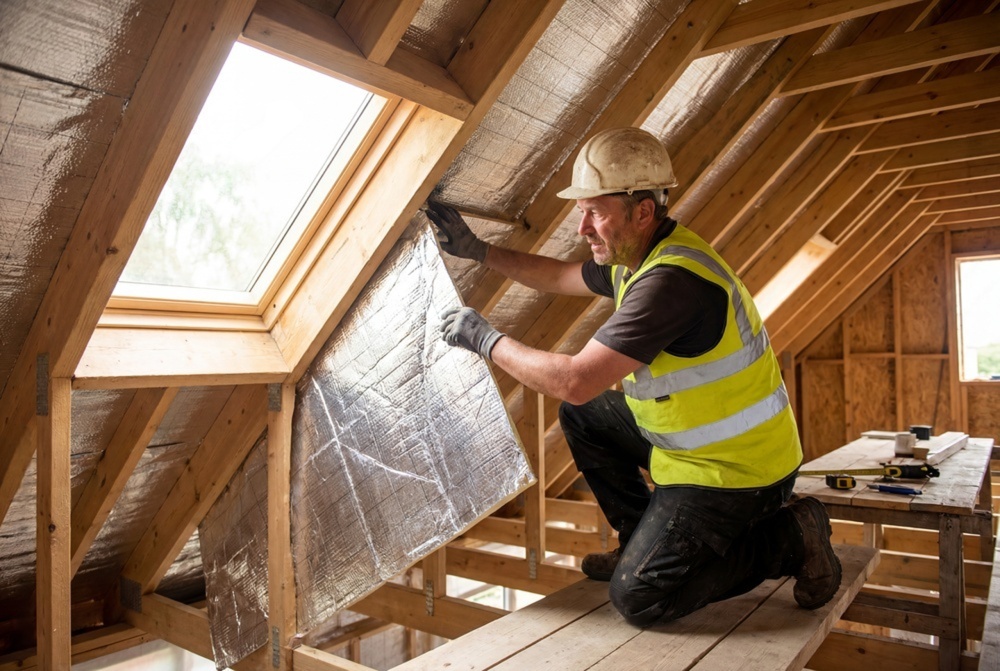
Damp insulation and improperly installed attic insulation frequently interfere with ventilation. Insulation that covers intake vents or traps heat against the attic floor limits air movement and contributes to heat buildup.
Correcting insulation placement supports cooler attics, better air movement, and improved energy efficiency.
Consider Modern Ventilation Options for Better Performance
Older Troy homes often benefit from updated ventilation options such as solar-powered vents, turbine vents, or improved ridge vents. These solutions enhance airflow, reduce excessive heat, and help regulate indoor temperatures.
Upgrading roof vents can also lower cooling bills and support lower utility bills.
Schedule Professional Adjustments to Prevent Long-Term Damage
Improving attic ventilation is not a one-size-fits-all solution, especially in Troy, where roof designs and attic layouts vary.
From our experience, professional adjustments help prevent moisture accumulation, mold growth, and roof ventilation issues that can lead to structural damage. Addressing improper ventilation early protects energy efficiency, indoor air quality, and overall roof performance.
Prevent Hidden Attic Problems From Driving Costly Roof Repairs
Hidden attic ventilation problems often lead to moisture buildup, heat stress, and roof damage that homeowners may overlook until repairs become expensive. Correcting airflow and moisture issues early helps protect roof durability, energy efficiency, and long-term performance in Troy homes.
At Rapid by Allstar, we focus on identifying attic ventilation problems that quietly strain roofing systems over time. If attic ventilation concerns are affecting your home, contact us to have your attic and roof evaluated before minor issues turn into costly repairs.
Frequently Asked Questions
How does attic ventilation impact roof performance in Troy?
Attic ventilation impacts how well a roof handles heat and moisture throughout the year. In Troy, improper ventilation traps hot, humid air, accelerating the breakdown of roofing materials and increasing the risk of mold growth and wood rot.
What are common signs of poor attic ventilation?
Common signs include high energy bills, musty odors, uneven indoor temperatures, mold and mildew in the attic space, and frequent roofing repairs. Ice dams in winter and excessive heat in summer are also indicators of inadequate ventilation.
Can improving attic ventilation lower energy costs?
Yes, proper attic ventilation helps regulate temperature and reduce heat buildup, which allows cooling systems to operate more efficiently. Troy homeowners often see lower energy bills and improved indoor comfort after addressing roof ventilation issues.
Should attic ventilation be evaluated during roof replacement?
Yes. Evaluating ventilation during a roof replacement ensures intake and exhaust vents are correctly balanced and aligned with the roofing system. This approach helps prevent future moisture accumulation, improves energy efficiency, and supports long-term roof durability.