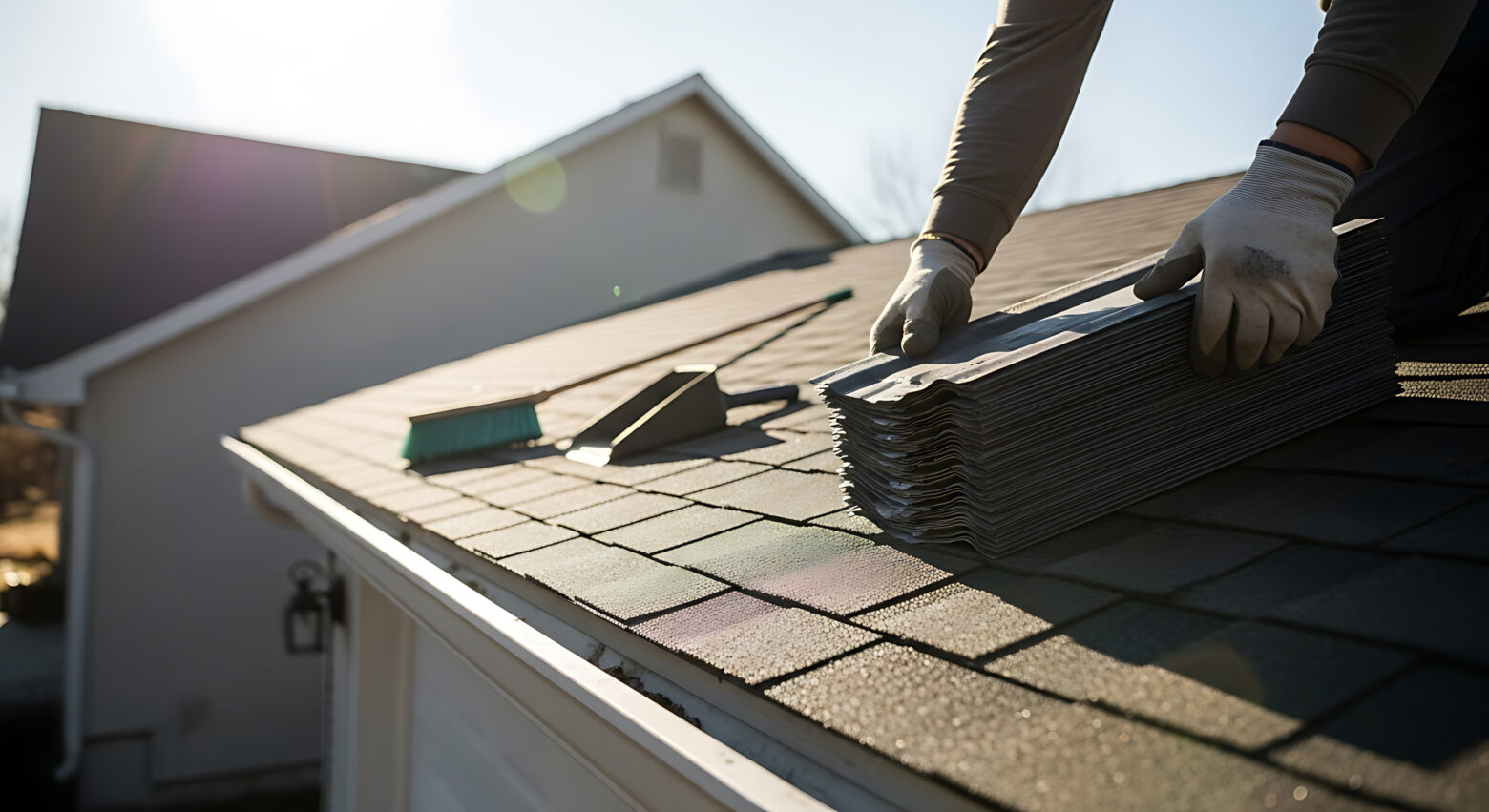
Providence, RI, homeowners often inherit roofs that have already passed the twenty-year mark. Along the coast, salt air, wind-driven rain, and seasonal storms accelerate wear that is not always visible from the ground. A roof that looks intact from the street may already be at the point where repairs no longer hold. The cost of delaying roof replacement rises quickly as small issues begin to compound.
Key Takeaways
- A 20-year-old roof in coastal Rhode Island is often past its reliable lifespan and more vulnerable to storm damage and moisture intrusion.
- Delaying replacement increases repair costs as small issues grow into structural damage and interior problems.
- Coastal weather patterns in Providence accelerate roof aging after 20 years, especially for asphalt systems.
- A roof inspection for older homes helps determine whether roof replacement or roof repair is the smarter long-term decision.
How Delaying Roof Replacement Increases Risk for Coastal Rhode Island Homes
Coastal conditions change how roofs age in Providence. Waiting too long introduces risks that escalate quickly once materials begin to fail. The most common issues include moisture breakdown, hidden leaks, storm vulnerability, repair cycles, and structural decline.
Salt Air and Moisture Accelerate Roof Aging
In neighborhoods near Narragansett Bay, salt-laden air and constant humidity break down asphalt shingles faster than in inland conditions. This process accelerates roof aging after 20 years and reduces water resistance, especially in systems built with asphalt shingles that are more vulnerable to coastal exposure. Even minor exposure can lead to material fatigue that simple repairs cannot correct.
Small Leaks Turn Into Interior Damage
Aging roofs often develop small entry points that go unnoticed during dry periods. In Providence homes, repeated rain and coastal storms push moisture beneath shingles and into insulation and drywall. These leaks can quickly lead to mold growth, ceiling stains, and expensive interior repairs, which is why early roof inspections for older homes are critical for identifying hidden issues.
Storm Damage Hits Older Roofs Harder
Older roofing systems lack the flexibility and adhesion needed to handle modern storm conditions. High winds and heavy rain along the Rhode Island coast can lift or displace weakened shingles, especially during coastal storm patterns documented by the National Oceanic and Atmospheric Administration. This exposure allows water to reach underlying layers, increasing the urgency of repair.
Repeated Repairs Add Up Faster Than Replacement
Homeowners often rely on repairs to extend an aging roof’s life, but repeated service visits can exceed the cost of replacement. Older systems demand frequent attention and deliver inconsistent performance. Over time, patchwork fixes increase maintenance expenses without solving the root problem, making roof replacement a more stable long-term approach.
Hidden Structural Issues Develop Over Time
Long-term exposure to moisture weakens the structural components beneath the shingles. In Providence homes, this often affects roof decking and support areas rather than visible surfaces. As these components deteriorate, replacement becomes more complex and costly.
Know When to Replace Your Roof Before Damage Gets Worse
Timing plays a major role in managing roofing costs in Providence. Replacing a roof before seasonal extremes helps prevent avoidable damage, particularly when aging drainage systems also require gutter replacement to manage water flow effectively. Key timing points include winter preparation, visible signs of aging, storm-season readiness, repair fatigue, and inspection findings.
Before Freeze-Thaw Cycles Worsen Existing Damage
New England winters bring repeated freeze-thaw cycles that expand trapped moisture inside roofing materials. For a 20-year-old roof, this cycle widens cracks and weakens seals around flashing and penetrations. Replacing the roof before winter helps prevent widespread failure.
After Consistent Signs of Aging
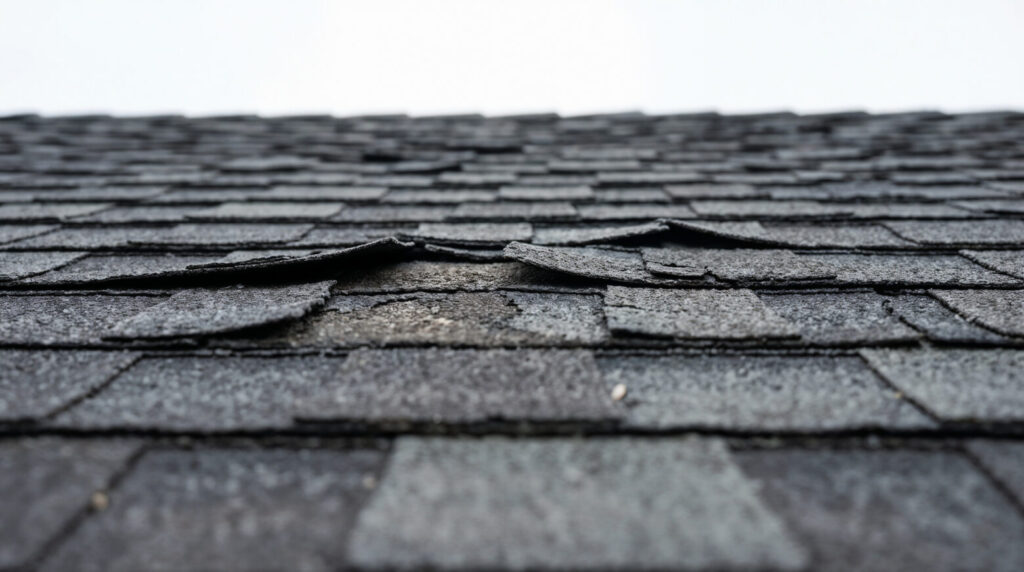
Signs that a 20-year-old roof needs replacement often appear gradually, including curling shingles, granule loss, and uneven rooflines. In Providence, these indicators show that the roof has reached the end of its functional lifespan. Acting early prevents leaks and structural damage.
Before Peak Storm Season Along the Coast
Late-summer and early-fall storms along the Rhode Island coastline bring strong winds and heavy rainfall. Older roofs cannot withstand these conditions as effectively. Replacing the roof before peak storm activity reduces the risk of emergency repairs.
When Repairs No Longer Deliver Lasting Results
A clear turning point occurs when repairs fail to hold between service visits. In Providence, repeated patching often signals widespread material wear rather than isolated damage. Replacement restores consistent performance and eliminates recurring repair cycles, especially when planned as part of a comprehensive roof replacement process rather than repeated short-term fixes.
During a Scheduled Professional Roof Inspection
Routine inspections provide a clear picture of the roof’s condition and remaining lifespan. For Providence homeowners, a detailed roof inspection of older homes can confirm whether materials are still performing or nearing failure. Acting early helps control timing and project scope.
Protect Your Providence Home Before Roof Damage Spreads
Vault Roofing helps Providence homeowners understand how coastal exposure affects aging roofs and which steps make sense to take before damage spreads further. This approach protects your home and reduces long-term repair costs while giving you a clear path forward. When you are ready to take the next step, contact us to schedule a consultation and get guidance tailored to your roof’s condition.
Frequently Asked Questions
How long do asphalt roofs last in Rhode Island?
Asphalt roofs in Rhode Island typically last 18 to 25 years, depending on exposure to coastal conditions. Salt air, humidity, and storms can shorten lifespan, making regular inspections important as the roof approaches the twenty-year mark.
What are the signs a 20-year-old roof needs replacement?
Common signs include curling shingles, granule loss, recurring leaks, and visible sagging. In Providence, these indicators often mean the roof has reached the end of its reliable lifespan and should be evaluated for replacement.
Is it better to repair or replace an aging roof?
For roofs 20 years or older, replacement is usually more cost-effective than repeated repairs. Ongoing fixes often add up quickly and fail to address underlying structural or material deterioration.
How much does delaying roof replacement increase costs?
The cost of delaying roof replacement grows as damage spreads to insulation, decking, and interior spaces. What starts as minor repairs can escalate into larger projects requiring more labor, materials, and restoration work.