
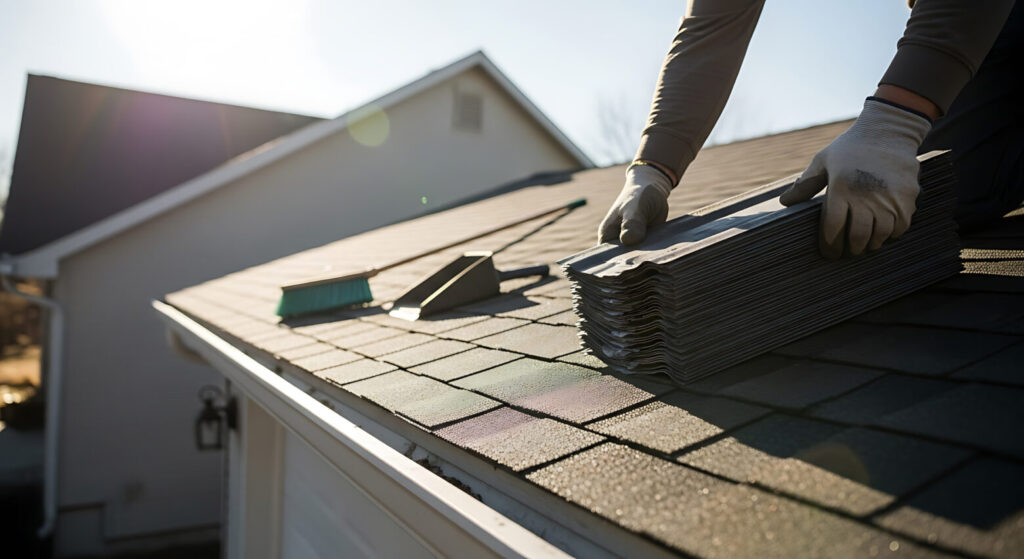
Homeowners in Providence, RI deal with coastal wind that carries salt, moisture, and steady pressure, which gradually changes how a roof performs over time. Shifting gusts during nor’easters and seasonal storms place added stress on asphalt shingles, so understanding how coastal wind affects asphalt shingles matters.
Key Takeaways
- Coastal wind exposure places continuous stress on asphalt shingles, weakening seals and increasing the risk of gradual lifting over time.
- Salt air exposure accelerates material wear and reduces long-term durability along the Rhode Island coast.
- Wind-resistant asphalt shingles and proper installation methods help protect homes during strong coastal storms and nor’easters.
- Regular inspections help identify early signs of wind damage on asphalt shingles before they develop into larger structural concerns.
How Rhode Island Shore Winds Affect Asphalt Shingle Performance
Coastal wind does more than move across your roof. It creates repeated stress cycles that affect how materials hold up over time. Key factors include uplift pressure, salt air exposure, uneven wear patterns, and long-duration nor’easter stress, especially for asphalt shingles used along the Rhode Island shoreline.
Wind Uplift Pressure Weakens Shingle Seals
Coastal wind creates uplift pressure that works against the adhesive strips designed to hold asphalt shingles in place, which is why proper installation and eventual roof replacement timing matter in coastal environments. Over time, repeated lifting and settling weaken these seals, especially during sustained gusts common along the Providence shoreline. This gradual breakdown reduces how effectively shingles stay anchored during future storms.
Salt Air Exposure Accelerates Material Breakdown
Air moving inland from the Rhode Island coast carries fine salt particles that settle on roofing surfaces, often affecting both shingles and nearby gutter systems over time. Salt exposure creates a slow, consistent chemical effect that can dry out materials and reduce flexibility. As shingles become more brittle, they resist wind movement less effectively and can crack or loosen.
Gust Patterns Cause Uneven Wear Across Roof Sections
Wind along the shoreline rarely hits evenly, which leads to inconsistent wear across different parts of a roof. Areas with open exposure, such as homes near waterfront neighborhoods or elevated streets, often deteriorate faster. This uneven stress can make certain sections more vulnerable even when the rest of the roof appears stable.
Nor’easter Conditions Increase Long-Duration Stress
Nor’easters bring extended periods of strong wind combined with heavy precipitation. Nor’easter roof protection depends on how well shingles remain sealed during long events, not just peak gust strength. Continuous pressure during these storms can expose weak points that shorter weather events may not reveal.
When to Inspect or Replace Coastal Roofing Systems
Knowing when to act is just as important as understanding the risks. Coastal roofing systems often show subtle signs before larger issues develop. Common triggers include post-storm checks, early signs of wind damage, aging-related brittleness, and recurring repair patterns.
After Major Coastal Storm Events
After strong coastal storms or nor’easters, a roof may appear intact from the ground while still having hidden damage, which is why scheduling a professional roof inspection can help identify issues early. Wind can loosen shingles without fully removing them, which compromises future performance. A post-storm inspection helps identify early movement before it leads to leaks or structural concerns.
When Early Signs of Wind Damage Appear
Signs of wind damage on asphalt shingles often start small, including lifted edges, missing granules, or slight misalignment. These changes show that wind has already affected the roof’s ability to stay sealed. Addressing these early signs can prevent more extensive damage during the next storm cycle.
As Coastal Aging Reduces Shingle Flexibility
Asphalt shingle performance in coastal climates declines faster due to constant exposure, and understanding when to plan for roof replacement becomes part of maintaining long-term protection. Over time, shingles lose flexibility and become more prone to cracking under wind pressure. When aging materials no longer respond well to movement, replacement becomes a more reliable long-term solution.
When Repairs No Longer Address Recurring Issues
Repeated repairs in the same areas often signal that underlying wind-related stress remains unresolved, which can point toward the need for a broader evaluation beyond temporary fixes. Coastal conditions can make patchwork solutions less effective over time. When issues continue to return, a full system evaluation can help determine whether replacement offers better protection.
Prepare Your Providence Roof for the Next Coastal Storm
Vault Roofing helps Providence homeowners understand what coastal winds may have already done to their roof, offering clear guidance so you can address early wear before the next nor’easter adds more stress.
If your roof has seen recent storms or shows subtle signs of lifting or granule loss, now is the right time to move forward with a clear plan by reaching out to contact us for a straightforward consultation.
Frequently Asked Questions
How does coastal wind affect asphalt shingles?
Coastal wind creates repeated uplift pressure that weakens shingle seals over time. Combined with salt air exposure, this stress reduces durability and increases the likelihood of lifting, cracking, or gradual deterioration in coastal environments like Providence.
What are signs of wind damage on asphalt shingles?
Common signs include lifted edges, missing granules, cracked shingles, and uneven alignment. These issues often develop after strong winds and may not be visible from the ground, making inspections important after coastal storms or seasonal weather changes.
Are wind-resistant asphalt shingles better for coastal homes?
Wind-resistant asphalt shingles are designed to handle higher wind speeds and provide stronger adhesion. In coastal areas, they can offer improved protection when properly installed, helping roofs better withstand sustained gusts and storm conditions common along the Rhode Island shore.
How often should coastal roofs be inspected?
Coastal roofs should typically be inspected at least once a year and after major storms. Frequent exposure to wind, moisture, and salt air can accelerate wear, making regular evaluations essential for identifying issues early and maintaining long-term performance.