
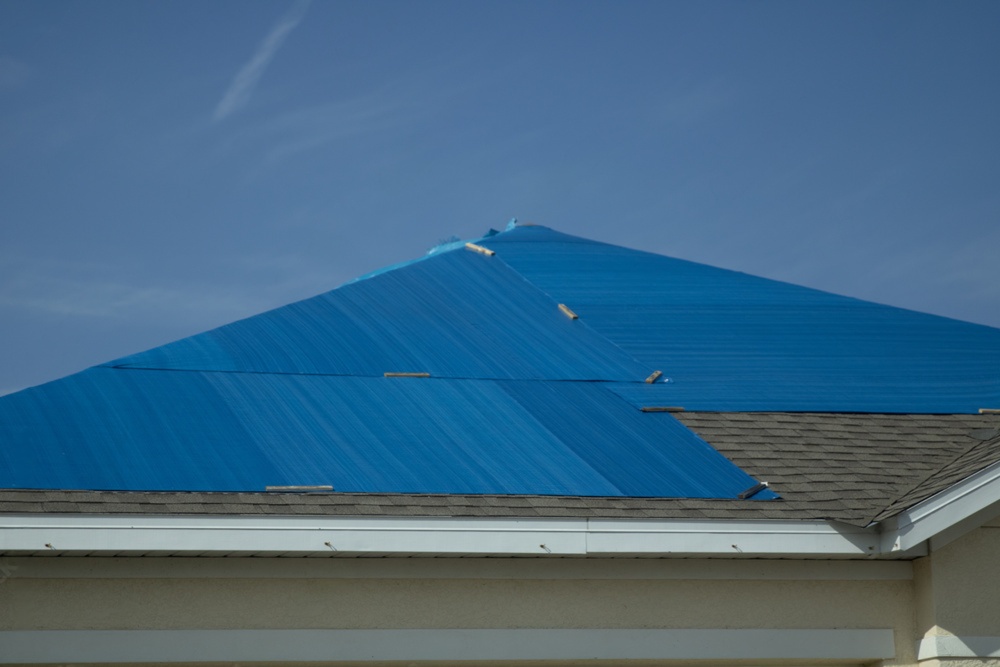
Homeowners in Milwaukee, Wisconsin know how quickly a storm can roll in off Lake Michigan and leave serious storm damage behind. When shingles are torn away or flashing is lifted, emergency tarping is often the first practical step in protecting your home. From a roofing contractor’s perspective, acting quickly with a properly secured tarp helps prevent small problem areas from turning into widespread interior damage.
Key Takeaways
- Emergency tarping creates a temporary barrier that protects Milwaukee homes from additional water intrusion after wind or hail.
- Fast action after storm damage reduces the risk of structural deterioration and interior staining.
- Professional installation ensures the tarp is secured safely and positioned to shed water correctly.
- Tarping gives homeowners time to plan a roof inspection, repair, or roof replacement with confidence.
How Emergency Tarping Protects Milwaukee Roofs After Storms
Storm damage rarely stops at the surface. A temporary solution can make a lasting difference, especially when it protects components that may later require full roof replacement if moisture spreads.
Preventing Additional Water Intrusion
In Milwaukee, WI, heavy rain often follows high winds and hail. Exposed roof decking can begin absorbing moisture within hours. According to the Federal Emergency Management Agency, emergency protective measures taken after a disaster are intended to reduce immediate threats and prevent additional property damage. Emergency tarping blocks rain from entering damaged areas and helps control ongoing water intrusion before it reaches ceilings, walls, or attic spaces.
Protecting Structural Components and Insulation
When roof coverings such as asphalt shingles are torn away, the underlying decking and insulation are left exposed. Even short-term exposure can cause wood to swell and insulation to lose effectiveness. A properly secured tarp shields these materials while a professional roof inspection determines whether repair or full roof replacement is necessary.
Reducing the Risk of Interior Damage and Mold Growth
Once water enters a roofing system, it can travel along framing before appearing as ceiling stains. In Milwaukee’s humid summer months, trapped moisture can increase the risk of mold growth. The Environmental Protection Agency explains that controlling moisture quickly is critical to limiting mold. Emergency tarping helps stop additional moisture entry and may also reveal related concerns, such as the need for gutter replacement when drainage issues contribute to leaks.
What Homeowners Should Do Immediately After Storm Damage
The hours following storm damage are critical. A steady, informed response protects your home and reduces long-term repair costs, whether you live in Milwaukee or other areas such as Boston or Cincinnati.
Document Visible Roof and Interior Damage
After a storm passes through Milwaukee, WI, begin by documenting visible roof damage from the ground. Take photos of missing shingles, fallen debris, and interior water stains. Clear documentation supports insurance conversations and helps roofing professionals assess the full scope of storm damage.
Avoid Climbing on a Compromised Roof
Storm-damaged roofs can be unstable, especially if decking has softened or materials have shifted. Climbing onto a compromised surface increases the risk of injury. The Occupational Safety and Health Administration stresses proper fall protection when working at height. Professional crews use secure fastening methods to install emergency tarping without causing additional damage.
Schedule a Prompt Professional Assessment
Emergency tarping is a temporary solution, not a permanent repair. Homeowners in Milwaukee, WI should schedule a thorough roof inspection as soon as weather conditions allow. A detailed assessment clarifies whether targeted repairs are sufficient or if roof replacement provides stronger long-term protection.
Protect Your Milwaukee Home With Confidence
Storm damage can feel overwhelming, but the right first step restores clarity. At Vault Roofing, emergency tarping helps stabilize the situation and limit further water intrusion. If your home has been affected by recent storms, you can contact us to discuss next steps and plan a professional inspection. Consider it covered.
Frequently Asked Questions
How long can a roof tarp stay in place?
A professionally installed roof tarp can remain in place for several weeks, depending on weather conditions. It is a temporary safeguard and should be followed by timely repair or roof replacement to restore full protection.
Does emergency tarping prevent all leaks?
Emergency tarping greatly reduces additional water intrusion. It may not stop every minor drip if damage extends beyond the covered area. Its primary purpose is to limit exposure until permanent repairs are completed.
Will insurance cover emergency tarping in Milwaukee?
Many homeowners insurance policies cover temporary protective measures after storm damage. Proper documentation of the damage and the tarping service supports the claims process. Coverage details vary by policy.
Is emergency tarping necessary if the damage looks small?
Even minor-looking roof damage can allow water beneath shingles and underlayment. Tarping helps prevent hidden moisture from spreading and reduces the risk of structural or interior damage if left unaddressed.