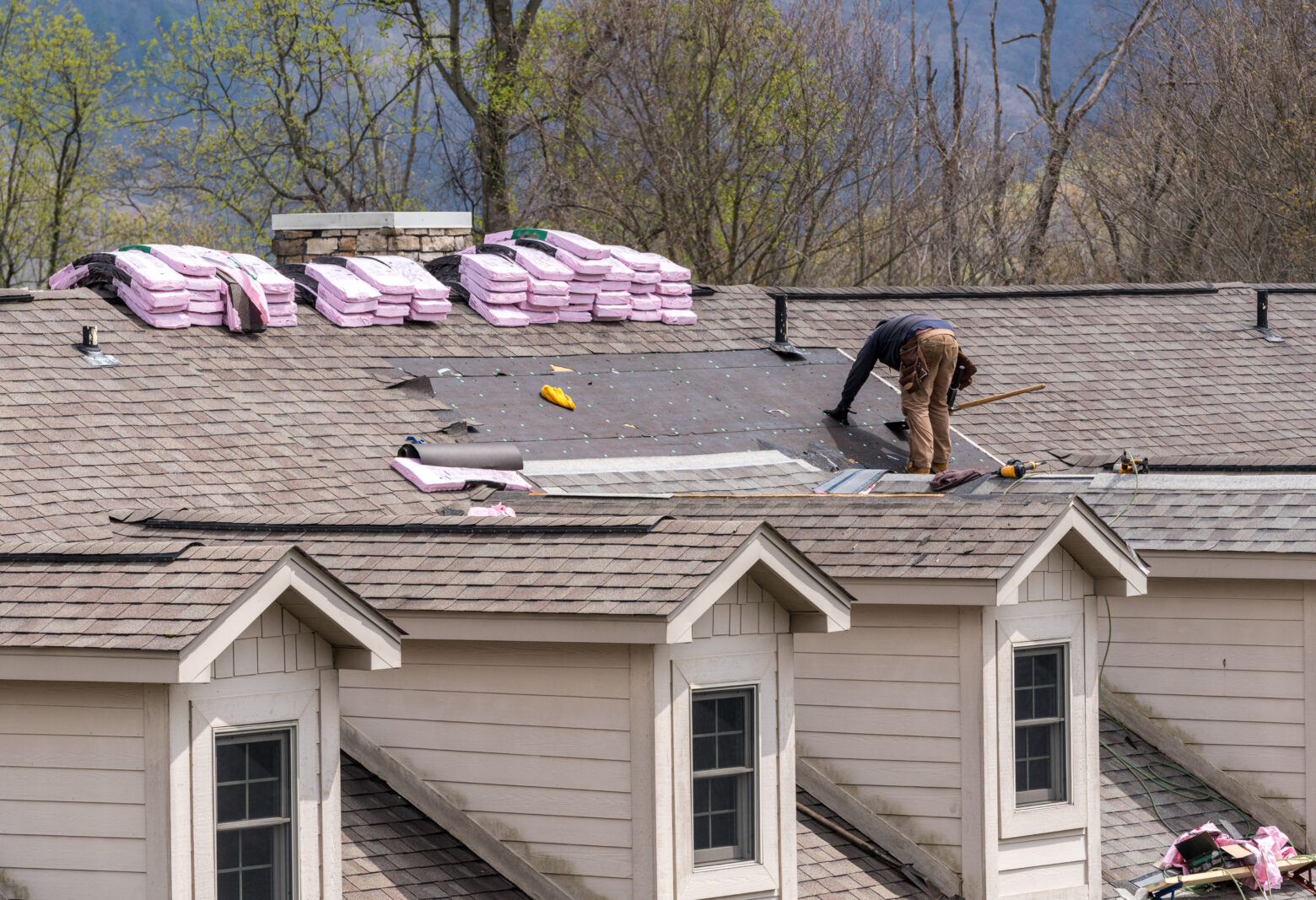
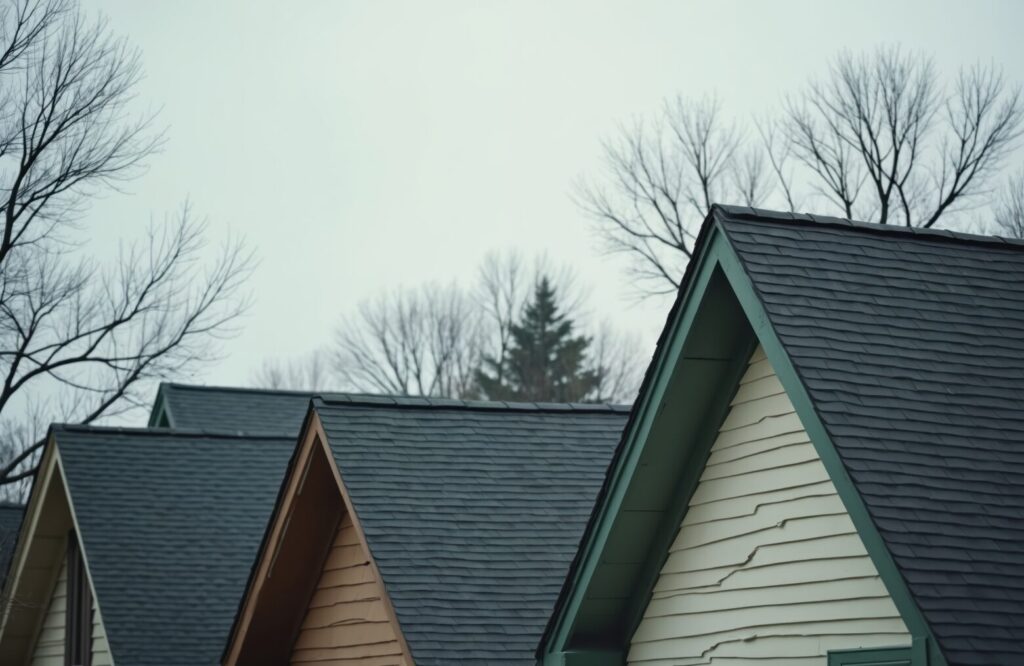
Detroit, MI, homeowners deal with weather conditions that directly affect roof performance year-round. Freeze-thaw roof damage in Detroit is a common issue during winter, while summer humidity adds additional stress. These patterns place steady pressure on roofing materials, sometimes without obvious signs. Understanding these conditions helps you make clear, confident decisions that protect your home over time.
Key Takeaways
- Detroit’s seasonal weather can accelerate roof wear and increase the risk of leaks without consistent upkeep.
- Freeze-thaw cycles commonly drive structural roof damage during Michigan winters.
- Proper attic ventilation reduces moisture buildup and helps extend roof’s lifespan.
- Seasonal inspections catch small issues early and prevent larger repairs.
How Detroit Seasons Impact Roof Lifespan and Leak Risk
Detroit’s climate puts steady pressure on roofing systems. Each season creates a different type of wear that homeowners should recognize.
Freeze-Thaw Cycles and Structural Stress
Freeze-thaw cycles expand and contract moisture trapped in roofing materials. This pattern reflects common Michigan winter roofing problems that affect long-term roof performance. Water enters small cracks, freezes, and expands, widening gaps and weakening the structure over time. In Michigan winters, these cycles can repeat several times in a week, increasing cumulative stress. Even well-installed roofs can develop vulnerabilities without regular checks, especially as aging systems approach the need for a roof replacement.
Ice Dams and Winter Water Intrusion
Ice dams form along roof edges, especially in homes with uneven insulation. As snow melts and refreezes, water backs up beneath shingles and enters the roof system. This process often develops slowly, so damage may remain hidden until interior signs appear. In Detroit, long cold stretches make ice dams a frequent concern.
Snowmelt and Hidden Leak Development
Late winter and early spring bring temperature swings that lead to snowmelt roof leaks. Meltwater can move beneath shingles and reach vulnerable areas before refreezing. Flashing and roof penetrations often take the brunt of this exposure. Small openings can allow moisture to enter over time, which then appears as interior staining.
Spring Storms and Wind-Driven Damage
Spring storms bring wind and heavy rain that can loosen shingles and expose underlayment. Even minor impacts create entry points for water. Wind uplift can also break shingle seals, reducing water-shedding performance. A timely roof inspection helps identify these issues early. Prompt inspections after storms help limit ongoing exposure.
Summer Heat and Humidity Effects on Shingles
Summer heat and humidity place steady stress on shingles. Humidity damage to shingles becomes more noticeable during extended warm periods, especially on homes with aging asphalt shingles. High moisture levels accelerate aging, while attic heat speeds deterioration. Extended heat can warp shingles and reduce flexibility. Together, heat and moisture drive consistent wear across the roof surface.
Fall Debris and Drainage Issues
Leaves and debris collect in valleys and gutters, which restricts drainage and increases pooling. Poor flow during the fall allows moisture to linger and carry into winter. Clogged systems can also cause overflow that affects fascia and soffits, sometimes signaling the need for a gutter replacement. Clearing these areas supports proper drainage before cold weather arrives.
Seasonal Roof Maintenance Priorities for Southeast Michigan Homes
Consistent maintenance extends roof life and reduces risk. Focused seasonal actions prevent small issues from growing.
Winter Preparation and Ice Dam Prevention
Prepare before snowfall to reduce the risk of ice dams. Improve insulation and ventilation to keep roof temperatures consistent and limit melt-refreeze cycles. Seal attic air leaks to prevent warm air from reaching the roof deck. Early preparation reduces mid-winter leak concerns.
Spring Inspections After Severe Weather
Inspect in early spring to identify damage from winter and storms. Look for loose shingles, flashing issues, and signs of early leaks during a professional roof inspection. Check vents and chimneys for subtle water intrusion. Quick repairs restore a consistent barrier before heavier rains.
Summer Ventilation and Moisture Control
Detroit roof ventilation plays a critical role in managing attic conditions during summer. Strong ventilation removes heat and moisture from the attic. Balanced intake and exhaust keep roof temperatures stable. This reduces humidity-related shingle damage and supports consistent performance during peak heat.
Fall Cleanup and Gutter Maintenance
Clear gutters and valleys to maintain proper drainage. These Detroit roofing maintenance tips help ensure water flows away from the home during fall rains. Clean systems reduce pooling and limit winter-related problems. Consistent upkeep supports a smooth transition into colder conditions.
Get Ahead of Detroit’s Freeze-Thaw Damage With a Clear Roof Inspection Plan
Vault Roofing helps Detroit homeowners stay ahead of freeze-thaw damage by providing clear, professional insight into how seasonal stress is affecting their roofs and what steps make the most sense moving forward, with practical recommendations based on real conditions seen across Southeast Michigan homes. This approach gives you confidence in decisions that protect your home long-term while avoiding unnecessary repairs or uncertainty, so you can contact us to schedule a consultation when you are ready.
Frequently Asked Questions
What causes freeze-thaw roof damage in Detroit?
Freeze-thaw damage occurs when water enters small cracks, freezes, and expands, which forces materials apart. In Detroit, repeated temperature swings speed up this cycle and gradually weaken roofing structures.
How can I prevent ice dams on my roof?
Improve attic insulation and ventilation to keep roof temperatures consistent. Balanced airflow reduces uneven melting and limits water backup, lowering the risk of leaks during Michigan winters.
When should I schedule a storm damage roof inspection?
Schedule an inspection after severe weather, especially in spring and summer. Early checks reveal hidden damage and allow timely repairs before issues spread.
Why is roof ventilation important in Detroit homes?
Ventilation regulates attic temperature and moisture. In Detroit, it reduces summer heat buildup and limits winter condensation, helping protect roofing materials and extend their lifespan.