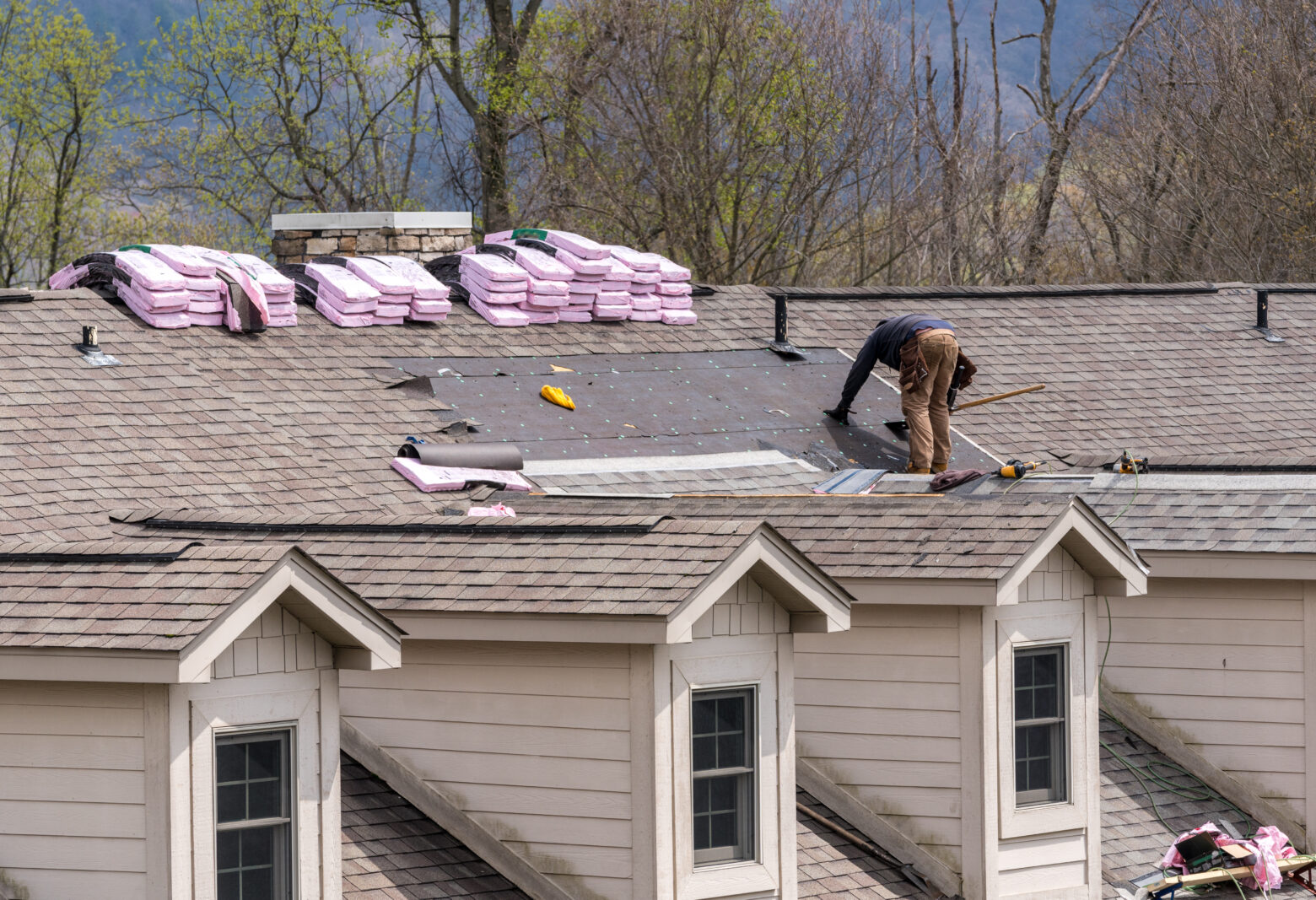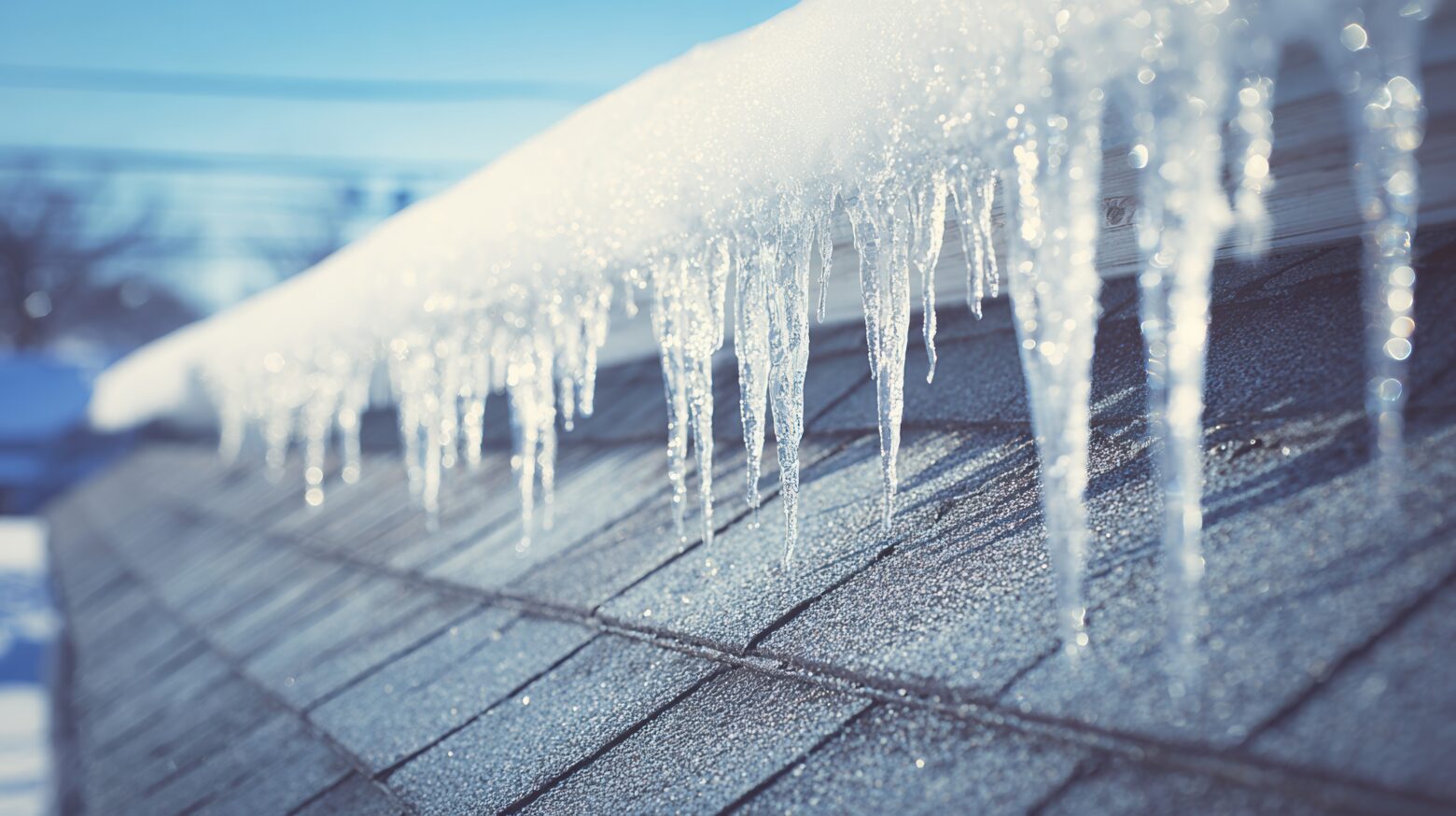

Detroit, MI roofs face snow, wind, rain, and frequent temperature changes. Those conditions make the layers beneath asphalt shingles especially important.
Roof underlayment adds secondary protection between the shingles and roof deck. It helps manage moisture when water gets beneath the primary covering. Understanding its role can help homeowners make better decisions before replacing their roof.
Key Takeaways
- Roof underlayment provides secondary water protection beneath asphalt shingles when moisture reaches the roofing system.
- Detroit’s snow, wind, rain, and freeze-thaw cycles make underlayment an important part of a complete roof.
- Ice and water shield adds protection in vulnerable areas where melting snow and moisture may collect.
- Homeowners should review decking, underlayment, vulnerable areas, and drainage before a roof replacement begins.
How Underlayment Shields Detroit Roofs From Harsh Weather
Shingles handle most direct weather exposure. Underlayment adds another layer of protection when Detroit weather puts the roofing system under added stress.
Creates a Secondary Barrier Against Water
Roof underlayment water protection serves as a backup when shingles no longer shed water as effectively as they should. Lifted, damaged, or worn shingles can create openings that allow ordinary rain to reach the layers beneath the roof surface. Underlayment adds another barrier beneath the shingles and helps prevent water from contacting the wood decking directly. This everyday backup role shows the importance of roof underlayment within a complete roofing system.
Manages Moisture During Freeze-Thaw Cycles
Detroit winters create a different moisture pattern than ordinary rainfall. Snow can melt during warmer periods, move across the roof, and then refreeze when temperatures drop again. That repeated freeze-thaw cycle can redirect moisture toward colder roof edges and other vulnerable areas. Roof underlayment in cold climates helps protect the roofing system as melting and refreezing water moves across the roof during winter.
Protects Vulnerable Areas With Ice and Water Shield
Ice and water shield for roofs adds protection where moisture exposure is higher. Common locations include eaves, valleys, and certain roof penetrations. The membrane bonds directly to the roof deck, creating an additional barrier in these areas. Homeowners considering a roof replacement should ask where the installer plans to use this protection and how it supports the new roofing system.
Limits the Effects of Wind-Driven Rain
Detroit storms can push rain sideways across a roof instead of letting it drain straight toward the gutters. Wind-driven rain can test shingle edges, flashing, and roof transitions differently from ordinary rainfall. That makes the connection between underlayment and roof leaks an important one for homeowners to understand. Underlayment can reduce moisture exposure when wind forces rain into vulnerable areas, but it cannot correct damaged roofing materials. A professional roof inspection can help identify the source of visible moisture concerns before they affect more of the roofing system.
Supports Asphalt Shingles From Beneath
Underlayment for asphalt shingle roofs creates a protective layer directly beneath the finished shingles. It helps separate the shingles from the roof deck while supporting moisture management below the primary roof covering. When homeowners compare asphalt shingles for a replacement, understanding the layers installed beneath them provides a clearer picture of how the shingle assembly works as a system.
What Homeowners Should Check Before Roof Replacement
A roof replacement exposes materials that usually remain hidden beneath the shingles. Understanding those layers before installation can help you make a more informed decision.
Ask How the Contractor Evaluates the Roof Deck
The roof deck creates the foundation beneath the underlayment and shingles. Removing old roofing materials can reveal moisture damage, deterioration, or other concealed concerns. Ask how the contractor will inspect the deck before installing new materials. A clear answer helps you understand how the project will address hidden conditions.
Understand the Planned Underlayment
Underlayment products vary in material, performance, and intended use. Ask which type the contractor plans to install and where it will go. Roof underlayment for Michigan weather should support the roofing system rather than work as a stand-alone solution. A clear recommendation should explain why the selected material is a good fit for your roof.
Confirm Protection for Vulnerable Roof Areas
Some roof sections face more water exposure than others. Valleys channel concentrated runoff, while eaves and penetrations create different moisture risks. Ask how the roofing plan protects these areas before installation starts. Each material should serve a clear purpose within that section of the roof.
Consider Drainage Alongside the Roofing System
Underlayment protects beneath the shingles, while gutters move water away from the roof edge. Poor drainage can cause runoff to overflow or collect in unwanted areas. If aging gutters no longer manage water properly, replacing them may be worth discussing as you plan the roofing project so drainage and roof-edge protection work together.
Review the Replacement Plan Before Work Begins
Before approving a replacement, review what the contractor plans to install and how each stage will be handled. Ask about the roof deck, underlayment, flashing, ventilation, shingles, and drainage so you understand the full scope. Clear answers make it easier to compare recommendations and know what your investment includes.
Get Ahead of Detroit’s Next Freeze-Thaw Cycle With a Roof Inspection
Vault Roofing can help you get ahead of Detroit’s next freeze-thaw cycle by identifying visible concerns before changing temperatures place more stress on shingles, underlayment, and other vulnerable areas. Scheduling an inspection now gives you a clearer picture of your roof’s condition and whether replacement makes sense before another round of seasonal weather.
If you want straightforward guidance before conditions shift again, contact us to schedule your roof inspection.
Frequently Asked Questions
What does roof underlayment do?
Roof underlayment creates a secondary protective layer between the roof deck and asphalt shingles. It helps limit direct moisture exposure when water reaches beneath the primary roofing surface through damaged areas, exposed edges, or other vulnerable sections.
Is roof underlayment important for Detroit homes?
Yes. Detroit homes experience snow, rain, wind, and repeated freeze-thaw cycles. Proper underlayment adds secondary moisture protection beneath asphalt shingles and supports the roofing system when changing Michigan weather places added stress on roofing materials.
Is ice and water shield the same as roof underlayment?
Not exactly. Ice and water shield is a self-adhering protective membrane used in vulnerable areas of roofs. Standard underlayment covers broader sections, while ice and water shield adds protection where moisture exposure may increase.
Should underlayment be replaced when installing a new roof?
A roof replacement typically includes new underlayment as part of the roofing system. Homeowners should ask how the contractor will evaluate the existing deck and which underlayment materials the installation plan includes before new asphalt shingles go on.