Detroit, MI winters shift from heavy snow to sudden thaws, sending water back across your roof and stressing asphalt shingles, especially on older homes. These freeze-thaw cycles open small gaps, weaken seals, and speed up wear over time. When you understand how your roofing system handles these shifts, you can plan maintenance and make confident long-term decisions.
Key Takeaways
- Freeze-thaw damage to asphalt shingles often starts small, but repeated expansion and contraction can weaken the roofing system over time.
- How snow affects asphalt shingle roofs depends on drainage, ventilation, and insulation working together to control moisture.
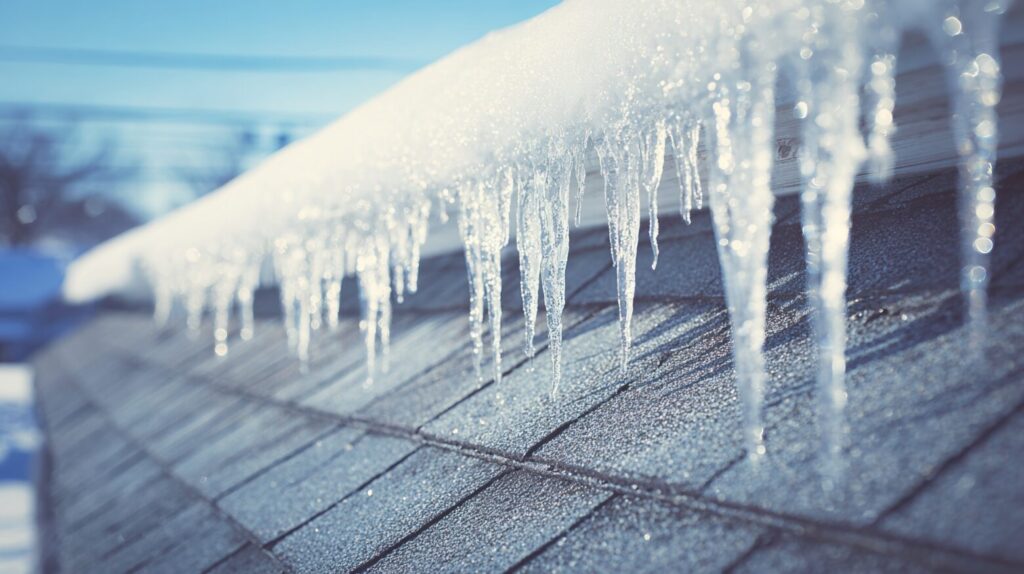
- Ice dams and asphalt shingles are closely linked because trapped heat and poor airflow can force water beneath the shingles.
- The asphalt shingle lifespan in Michigan depends on winter performance, proper installation, and consistent maintenance.
What Makes Asphalt Shingles a Reliable Choice for Detroit Homes
Detroit winters bring heavy snowfall, freezing temperatures, and frequent freeze-thaw cycles that challenge every roof. Modern asphalt shingles are designed to handle these conditions by resisting moisture, adapting to temperature changes, and shedding snow efficiently.
When installed as part of a complete roofing system, they provide dependable protection through Michigan’s changing seasons.
Built to Handle Freeze-Thaw Cycles
Frequent temperature swings cause roofing materials to expand and contract. Quality asphalt shingles are engineered to remain flexible during these changes, helping them maintain a secure seal and continue protecting your home from moisture throughout the winter.
Designed to Shed Snow and Moisture
As snow melts, asphalt shingles help direct water toward the roof’s drainage system instead of allowing it to collect on the surface. Combined with proper flashing and roof slope, they help reduce moisture exposure during periods of snow and ice.
Stronger as Part of a Complete Roofing System
Asphalt shingles perform best when paired with quality underlayment, flashing, and attic ventilation. Together, these components help manage moisture, regulate roof temperatures, and reduce the conditions that contribute to ice dams and water intrusion.
Built for Long-Term Durability
Modern architectural asphalt shingles are designed to withstand years of exposure to snow, ice, wind, and changing temperatures. With thoughtful craftsmanship and routine maintenance, they can continue delivering reliable protection through Detroit’s demanding winters.
Routine Maintenance Preserves Performance
Regular roof inspections and seasonal maintenance help asphalt shingles perform at their best. Keeping gutters clear and addressing minor issues early helps protect the roofing system and extend its lifespan.
Key Factors When Planning Long-Term Roof Replacement Decisions
Detroit’s winters can shorten a roof’s lifespan if the roofing system isn’t built for the region’s changing conditions. When planning a roof replacement, it’s important to look beyond the shingles and consider the materials, ventilation, and drainage that support long-term performance. The right decisions today can help your roof perform reliably for years to come.
Choose Materials Built for Michigan Conditions
Materials that match Michigan’s climate improve durability. Asphalt shingles rated for cold-weather performance resist freeze-thaw damage and maintain their structure through repeated seasonal shifts, especially when paired with a properly planned roof replacement strategy.
Evaluate Roof Age and Remaining Lifespan
The asphalt shingle lifespan in Michigan is often shorter than in milder regions due to winter stress. Homeowners should review how many winters their roof has endured and watch for recurring issues that point to replacement, often uncovered during a detailed inspection.
Identify Early Signs of Winter Damage
Signs of winter roof damage after snow include lifted shingles, granule loss, and interior moisture marks. Addressing these early prevents small issues from spreading across the roofing system.
Plan for Proper Drainage and Water Flow
Effective drainage supports winter roof maintenance for asphalt shingles. Gutters, downspouts, and roof slopes must move melting snow away quickly to prevent pooling water from refreezing and adding stress, which is why properly functioning gutter systems play an important role.
Factor in Ventilation and Insulation Improvements
Improved attic insulation and airflow stabilize roof temperatures through winter. This reduces the chance of ice dams and supports consistent asphalt shingle performance during Detroit’s freeze-thaw cycles.
Stay Ahead of Detroit’s Next Freeze Before Small Roof Issues Turn Into Costly Repairs
Vault Roofing understands how quickly Detroit’s freeze-thaw cycles can turn small roofing concerns into costly problems. Our team provides clear guidance and thoughtful planning to help you stay ahead of seasonal wear and make informed decisions with confidence.
If you’ve noticed changes in how your roof handles snow, drainage, or temperature swings, contact us to schedule a consultation before the next winter cycle sets in.
Frequently Asked Questions
How do freeze-thaw cycles affect asphalt shingles?
Freeze-thaw cycles allow water to enter small cracks, then expand as it freezes. Over time, this repeated movement weakens asphalt shingles, causing cracks, seal failure, and gradual deterioration across the roofing system in colder climates like Michigan.
What are common signs of winter roof damage after snow?
Common signs include lifted or curling shingles, missing granules, water stains on ceilings, and ice buildup along roof edges. These indicators often point to moisture intrusion or stress caused by snow accumulation and freezing temperatures.
How long do asphalt shingles last in Michigan?
The asphalt shingle lifespan in Michigan typically ranges from 15 to 30 years, depending on material quality and maintenance. Harsh winters, freeze-thaw cycles, and heavy snow can shorten that lifespan if roofing systems are not properly maintained.
Why is attic ventilation important for winter roof performance?
Proper attic ventilation helps regulate roof temperature and prevents uneven snowmelt. This reduces the risk of ice dams and moisture buildup, which can damage asphalt shingles and shorten the overall lifespan of the roofing system.