Severe wind events in Detroit, MI, can cause immediate and hidden damage if not addressed quickly. Intense storms can impact exterior surfaces and drainage areas, allowing moisture to enter parts of the home that are not always visible from the ground.
For Detroit homeowners, responding promptly after severe weather helps limit long-term issues and reduces the risk of repairs becoming more complex over time.
Key Takeaways
- Water damage after wind uplift in Detroit becomes far more likely when loose shingles, roof edges, and other vulnerable areas remain unsecured, and moisture is allowed to spread.
- Hidden roof damage following high winds can lead to mold growth, insulation issues, and structural damage when homeowners delay inspections.
- Regular roof and attic inspections help Detroit homeowners extend their roof’s lifespan and reduce the likelihood of emergency repairs.
- Professional post-storm assessments provide peace of mind and help keep the property safe by identifying hidden damage early.
How Detroit Homes Can Prevent Water Damage After Windstorms
Strong winds place extreme stress on roofing systems throughout Detroit neighborhoods. Addressing early concerns through timely roof repair helps prevent minor issues from developing into significant water damage problems that affect the roof surface, walls, and insulation.
Securing Loose and Missing Shingles After High Winds
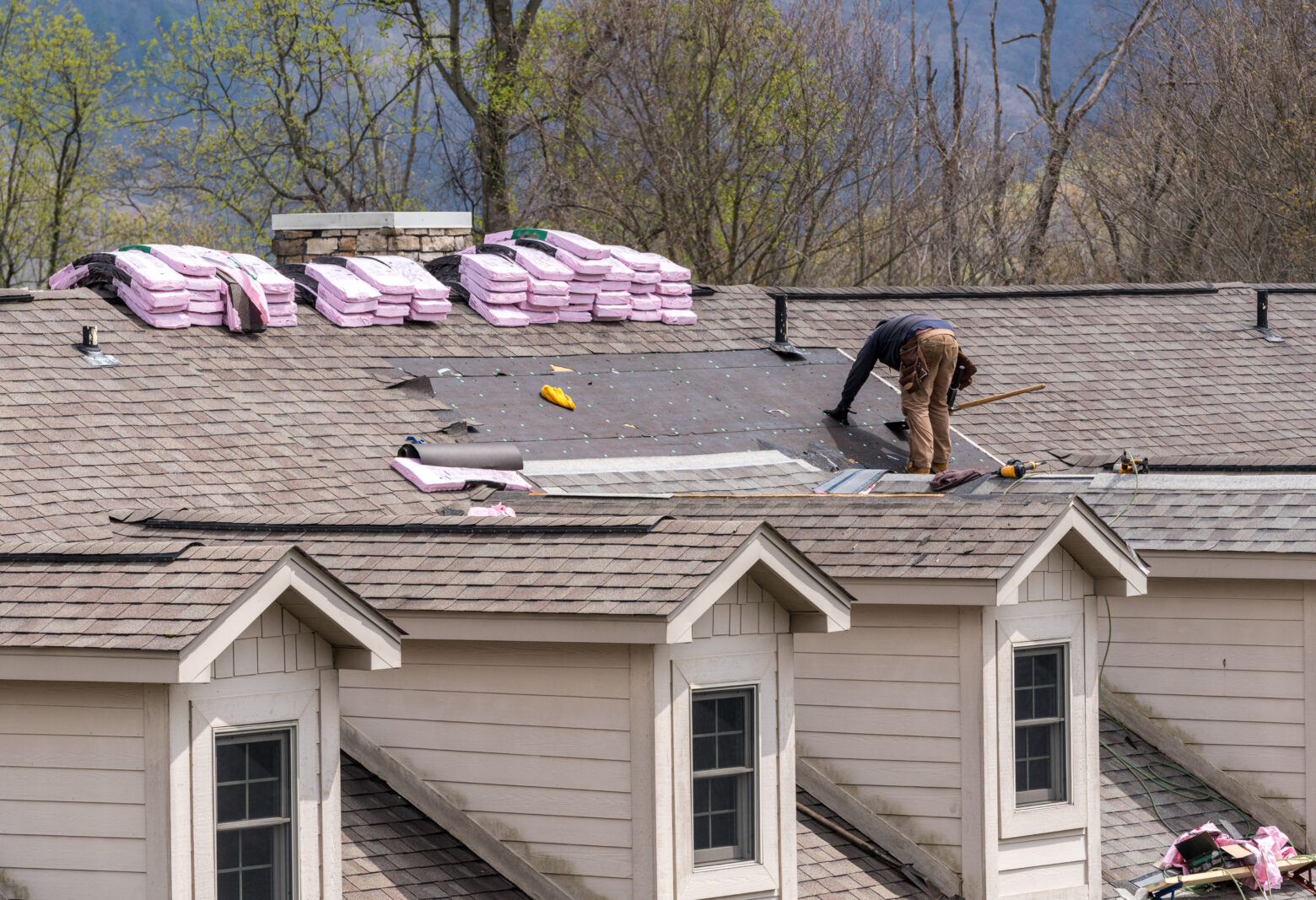
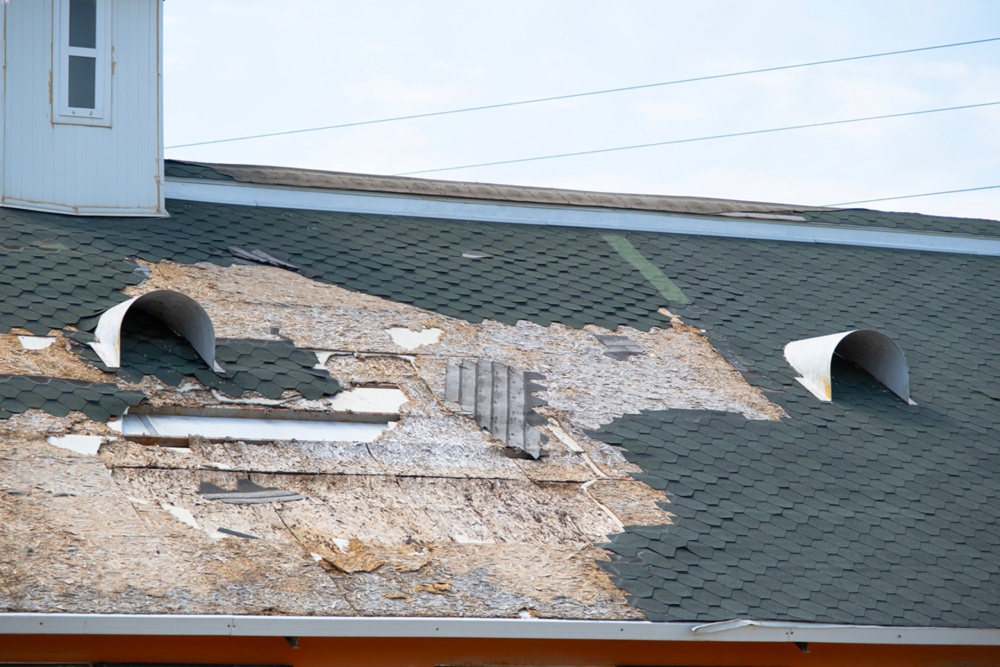
High winds often loosen or remove asphalt shingles, exposing the roof surface and deck to direct water infiltration, which may eventually require partial or complete roof replacement if left unaddressed.
From a service provider’s perspective, promptly securing loose shingles and replacing missing shingles helps protect the roof deck, reduce further damage, and prevent minor problems from becoming major repairs.
Protecting Roof Edges and Fascia From Wind Uplift
Roof edges and fascia are especially vulnerable during severe weather because wind loads concentrate pressure along these areas.
Properly securing roof edges helps prevent water intrusion behind siding and walls, which is a common cause of hidden leaks and long-term structural damage in Detroit homes.
Clearing Debris and Overhanging Branches From the Roof Surface
Tree branches, wind-driven debris, and standing water can trap moisture on the roof surface after a storm. From a contractor’s standpoint, removing debris and trimming overhanging branches reduces the risk of clogged drainage paths, limits moisture buildup, and protects roofing materials from premature wear.
Maintaining Gutters to Prevent Water Backup
Clogged gutters restrict proper drainage, and neglected gutters can cause water to collect beneath shingles and into the roof system.
Keeping gutters clear after wind events helps manage snow and rain runoff, prevent ice dams during colder months, and reduce the risk of water stains and interior leaks.
Post-Storm Inspection Priorities for Detroit and Metro Properties
Severe weather does not always leave visible signs of damage, which is why professional roof inspection services often uncover hidden issues beyond surface-level concerns.
A thorough inspection focuses on early signs of water damage, moisture intrusion, and changes in overall roof condition that homeowners may overlook.
Evaluating the Roof Deck for Hidden Water Intrusion
Wind-driven rain can penetrate beneath damaged shingles and compromise the roof deck without obvious exterior signs.
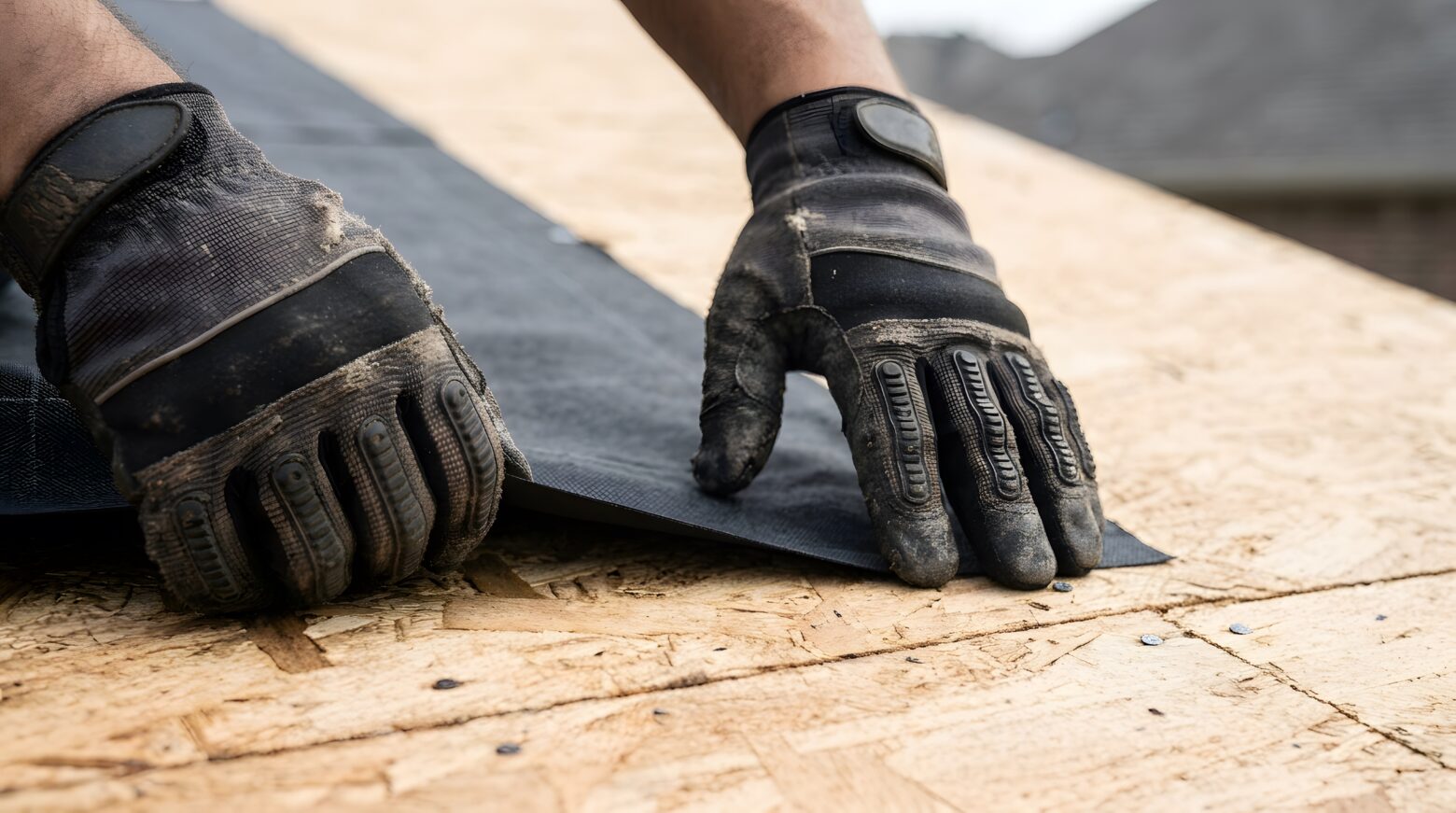
Inspecting the roof deck allows service professionals to identify hidden leaks early, assess vulnerable areas, and prevent moisture from spreading into insulation and structural components.
Checking Attic Inspections for Moisture and Ventilation Issues
Attic inspections are critical after high winds because inadequate ventilation can trap moisture and create conditions that support mold growth.
Identifying moisture buildup, insulation problems, and ventilation concerns early helps protect the roof system and prevent long-term damage.
Inspecting Roofing Materials for Wind-Related Stress
Roofing materials respond differently to extreme weather events, including metal roofs and traditional asphalt shingles.
A detailed inspection ensures that materials remain securely fastened, comply with local building codes, and can protect the property during future storms.
Identifying Minor Issues Before They Lead to Major Repairs
Small cracks, lifted shingles, and early water stains are common, and homeowners often overlook hidden leaks after severe weather.
Addressing these minor issues early helps property owners control repair costs, avoid unnecessary roof replacement, and preserve the roof’s lifespan by stopping water intrusion before it escalates.
A Quick Conversation With a Roofing Professional Can Make the Difference
Rapid by Allstar helps Detroit homeowners and property managers gain clarity after severe wind events when damage is not always visible, and delays increase the risk of water intrusion and structural problems.
Contact us to help protect your property before minor issues lead to costly repairs.
Frequently Asked Questions
How soon should a roof inspection be scheduled after a windstorm?
Homeowners should schedule a roof inspection as soon as conditions are safe following a severe wind event. Early inspections help identify roof damage, hidden leaks, moisture issues, and vulnerable areas before they cause further damage or lead to expensive repairs.
Can wind damage cause water leaks even if the shingles look intact?
Yes, high winds can lift or loosen shingles, compromising the roof system without visible surface damage. Water can enter through small gaps, causing hidden leaks that reach the roof deck, attic, or walls.
Why are attic inspections necessary after severe weather?
Attic inspections reveal moisture intrusion, ventilation problems, and insulation concerns that are not visible from the exterior. Identifying these issues early helps prevent mold growth and protect the home’s structural integrity.
How do regular roof inspections help prevent costly repairs?
Regular inspections allow service providers to detect early signs of roof damage and moisture problems. This proactive approach helps extend the roof’s lifespan, control repair costs, and keep Detroit properties protected.