Cincinnati, OH homeowners see it every year. Heavy spring rain, humid summers, falling leaves in Hyde Park, and winter freeze-thaw cycles place constant pressure on roofing systems. These conditions directly affect how long asphalt shingles last and how well the system performs.
An asphalt roofing system includes more than shingles. It relies on multiple layers that control moisture, airflow, and temperature. When those layers work together, the roof handles seasonal changes more effectively and lasts longer.
Key Takeaways
- A complete asphalt roofing system performs best when each component works together to handle Cincinnati weather and asphalt roof performance.
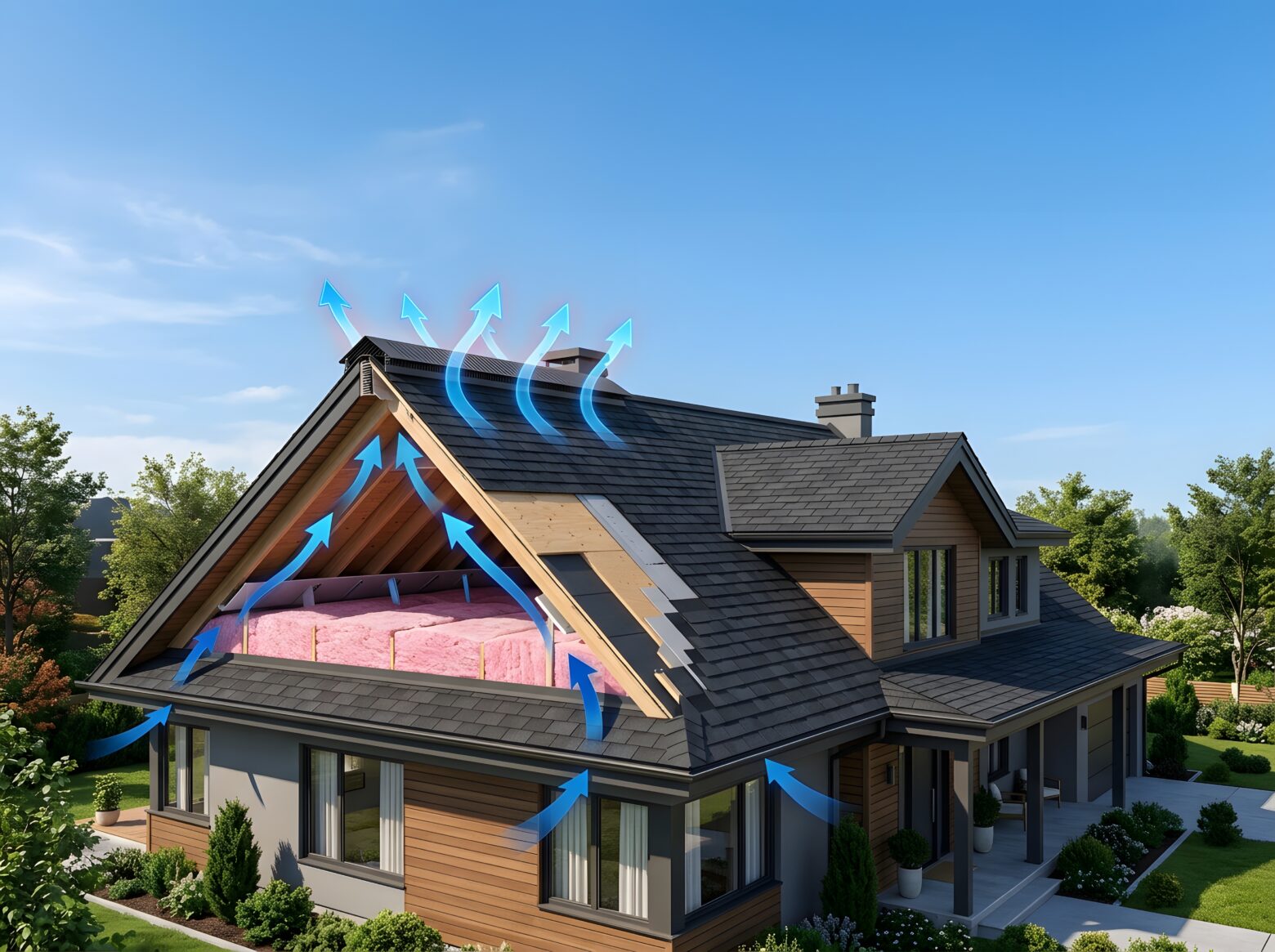
- Proper roof ventilation for asphalt shingles regulates attic temperature and prevents moisture buildup that shortens roof lifespan.
- Roof flashing and shingle lifespan are closely connected because flashing protects the most vulnerable areas from water intrusion.
- Regular inspections and asphalt roof maintenance tips reduce the risk of premature damage and extend overall roof performance.
How Complete Roofing Systems Withstand Cincinnati’s Seasonal Weather
Cincinnati’s changing weather tests every part of a roofing system, from heavy spring rain to winter freeze-thaw cycles. Long-term protection depends on how each component works together to manage water, temperature changes, and seasonal wear before damage develops.
Helps Prevent Moisture Intrusion Beneath the Shingles
Underlayment creates a secondary barrier beneath shingles that blocks water intrusion during heavy rain or winter ice dams. When wind-driven rain or melting snow slips under shingles, this layer protects the roof deck and helps prevent structural damage.
Resists Damage From Cincinnati’s Seasonal Temperature Changes
Asphalt shingles expand and contract as temperatures shift throughout the year, especially during freeze-thaw cycles. Durable shingles handle this movement without cracking, which helps delay early signs that an asphalt roof is wearing out.
Seals Vulnerable Roof Areas Against Water Intrusion
Flashing seals joints where roof planes meet, including chimneys, valleys, and vents. Proper installation prevents water from entering these vulnerable areas and plays a direct role in extending roof flashing and shingle lifespan.
Regulates Heat and Moisture Throughout the Year
Ventilation allows heat and moisture to escape the attic, which becomes critical during humid summers and cold winters. Without proper roof ventilation for asphalt shingles, trapped moisture can damage insulation, weaken the roof deck, and shorten shingle life.
Directs Water Away Before It Causes Damage
Gutters and downspouts move water away from the roof and foundation during storms. When debris blocks drainage, water can back up under shingles and contribute to common causes of premature roof failure.
Key Priorities Before Planning Long-Term Roof Improvements
Before planning upgrades, you need a clear understanding of your roof’s current condition.
Accurate information helps you make decisions that support long-term performance.
Evaluate the Current Condition of Roofing Components
A thorough roof inspection focuses on how each layer performs after real exposure to local conditions, such as wind-driven rain and debris buildup common around tree-lined areas like Hyde Park. This step centers on diagnosis, helping identify hidden weaknesses in underlayment, flashing, and ventilation before they create larger structural concerns.
Identify Early Signs an Asphalt Roof Is Wearing Out
Early warning signs include curling shingles, granule loss, and interior water stains that appear after storms. Addressing these signs early helps prevent larger repairs and avoids unexpected roof replacement timelines.
Understand How Cincinnati Weather Affects Aging
Seasonal patterns in Cincinnati often include rapid temperature swings after winter storms, where daytime thaw and overnight refreeze stress shingles and flashing at the same time. Evaluating how these cycles impact your roof helps you plan maintenance around real conditions, not general timelines.
Address Causes of Premature Roof Failure Before Upgrades
Once issues are identified, the focus shifts to correction rather than inspection. Addressing installation gaps, resealing flashing, and improving ventilation ensures the existing system is structurally sound before any upgrades are planned, preventing recurring problems under future seasonal stress.
Apply Practical Asphalt Roof Maintenance Tips
In Cincinnati neighborhoods with mature tree cover, like Oakley and Hyde Park, gutters often fill quickly with leaves during fall storms. Clearing buildup after these events and scheduling inspections before winter helps prevent ice-related backups and reduces long-term stress on roofing materials.
Get Clear Answers About Your Roof Before Cincinnati’s Next Storm Season Sets the Pace
Vault Roofing helps Cincinnati homeowners understand how their roof is holding up after heavy rain, humid summers, and freeze-thaw cycles that wear materials down over time. Our team provides a clear picture of what needs attention now and what can wait, helping you make informed decisions before the next round of storms adds more pressure to your roofing system.
When you’re ready for straightforward guidance tailored to your home, contact us to schedule a consultation that fits your timeline.
Frequently Asked Questions
How long do asphalt shingle roofs last in Cincinnati?
Asphalt shingle roofs in Cincinnati typically last 20 to 30 years, depending on installation quality, ventilation, and maintenance. Seasonal weather patterns, including freeze-thaw cycles and humidity, can influence how quickly roofing materials age.
What are the most common causes of premature roof failure?
Premature roof failure often results from poor ventilation, improper installation, and inadequate flashing. These issues allow moisture buildup and temperature imbalance, which gradually weaken roofing materials and reduce the overall lifespan of the system.
Why is proper roof ventilation for asphalt shingles important?
Proper roof ventilation helps regulate attic temperature and moisture levels throughout Cincinnati’s changing seasons. Without it, heat and condensation can damage insulation, weaken the roof deck, and significantly shorten the lifespan of asphalt shingles.
What are signs an asphalt roof is wearing out?
Signs an asphalt roof is wearing out include curling shingles, missing granules, dark streaks, and interior water stains. These indicators often appear gradually and signal that the roofing system may need repairs or a full replacement soon.