A new roof is one of the most important investments a homeowner in Cincinnati, OH, can make. From Hyde Park to Westwood, homes face seasonal storms, humidity, and freeze-thaw cycles that test every layer of a roofing system. Clear insight into long-term value helps you make confident decisions and avoid costly issues later.
Key Takeaways
- The return on investment for roof replacement depends on material performance and proper installation.
- Key factors that affect roof lifespan in Cincinnati include weather exposure, ventilation, and drainage.
- Strong roof installation quality prevents early failure, leaks, and structural issues.
- Consistent roof maintenance after replacement helps protect your roofing investment over time.
How Quality Materials and Installation Protect Your Roofing Investment
Cincinnati, OH homes deal with moisture swings, river humidity, and repeated freeze-thaw cycles that test every roofing layer. Long-term performance depends on how each part of the system responds to those conditions. The sections below cover material durability, moisture barriers, installation precision, ventilation, and critical leak-prone areas.
Material Durability in Cincinnati’s Climate
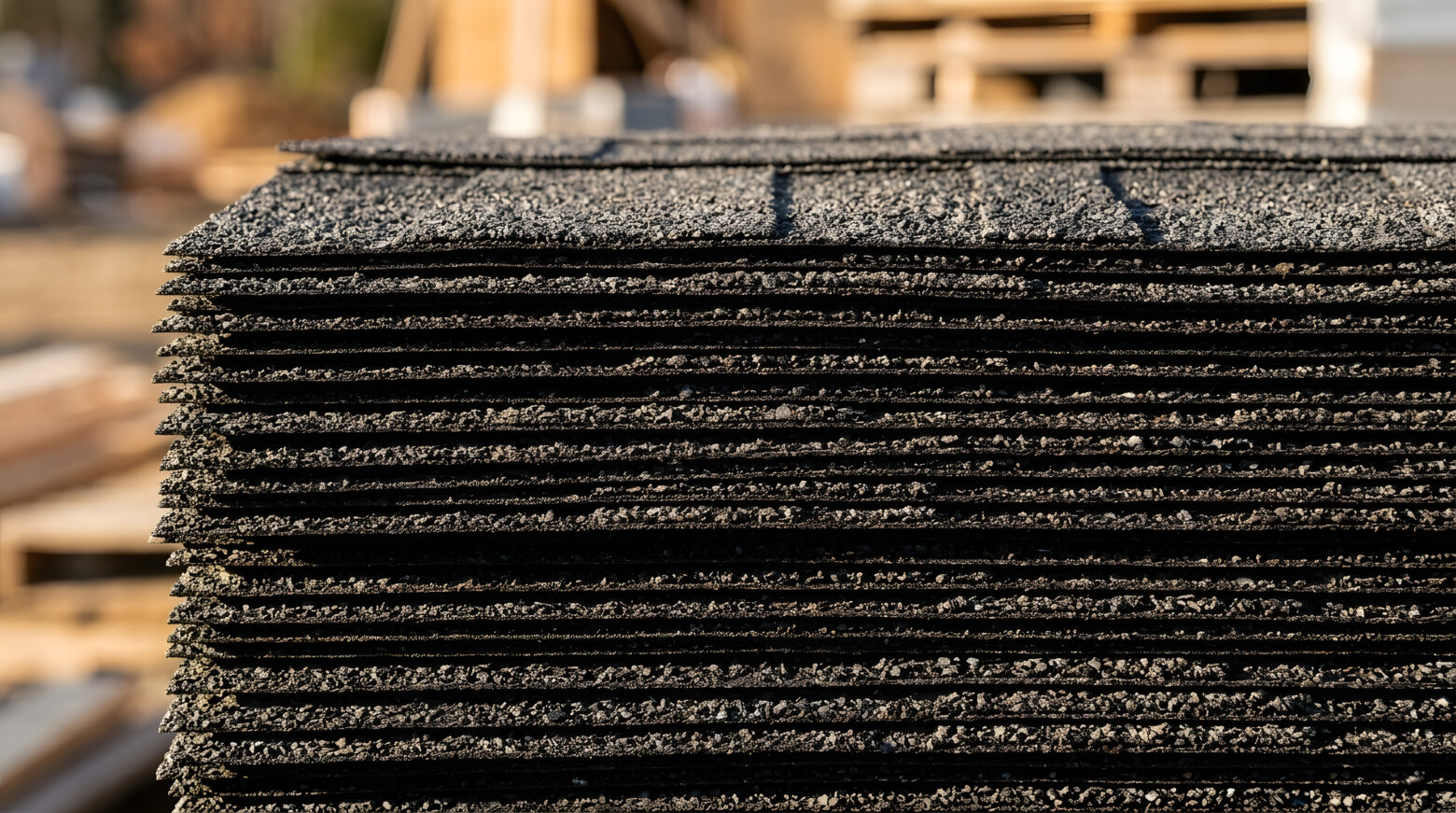
Cincinnati homes face heavy humidity from the Ohio River Valley, strong summer storms, and winter freeze-thaw cycles that break down weaker materials. High-performance materials resist expansion, contraction, and moisture absorption.
This resistance helps prevent cracking, granule loss, and early system failure, especially when homeowners understand how roofing materials perform over time in Cincinnati’s climate.
Proper Underlayment and Moisture Protection
Underlayment serves as the last line of defense when water gets past shingles. It is a critical component of a complete roofing system that protects against moisture intrusion. In Cincinnati, ice dams and wind-driven rain often push moisture beneath the surface, so correct underlayment placement protects the roof deck from hidden rot and structural weakening.
Precision in Shingle Installation Techniques
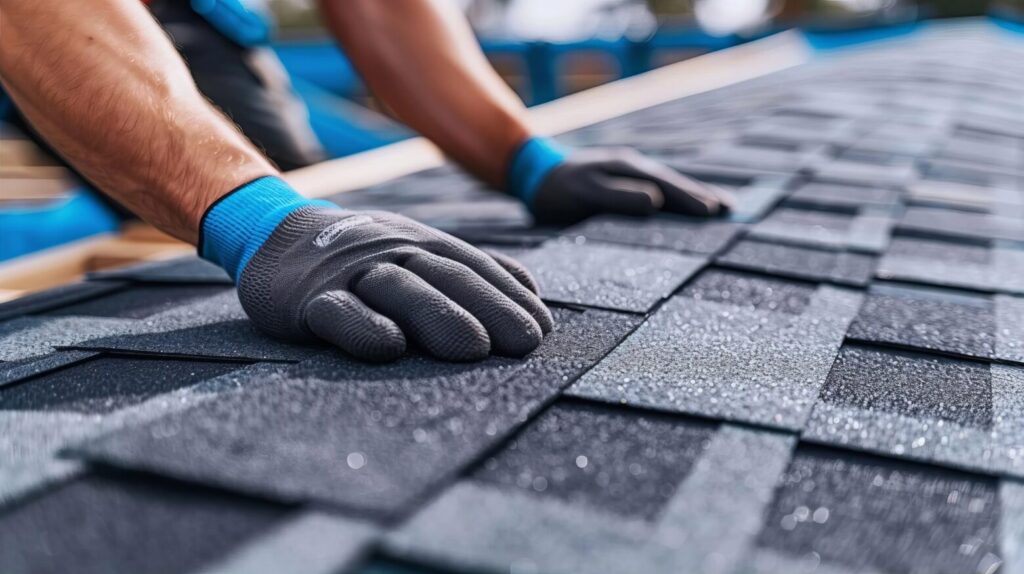
Installation errors often show up during Cincinnati windstorms, especially in open neighborhoods or elevated areas. Accurate nailing patterns, proper sealing, and consistent layout prevent shingle lift. These steps reduce the risk of blow-offs during seasonal weather swings and support high-quality roof installation.
Proper Roof Ventilation and Long-Term Performance
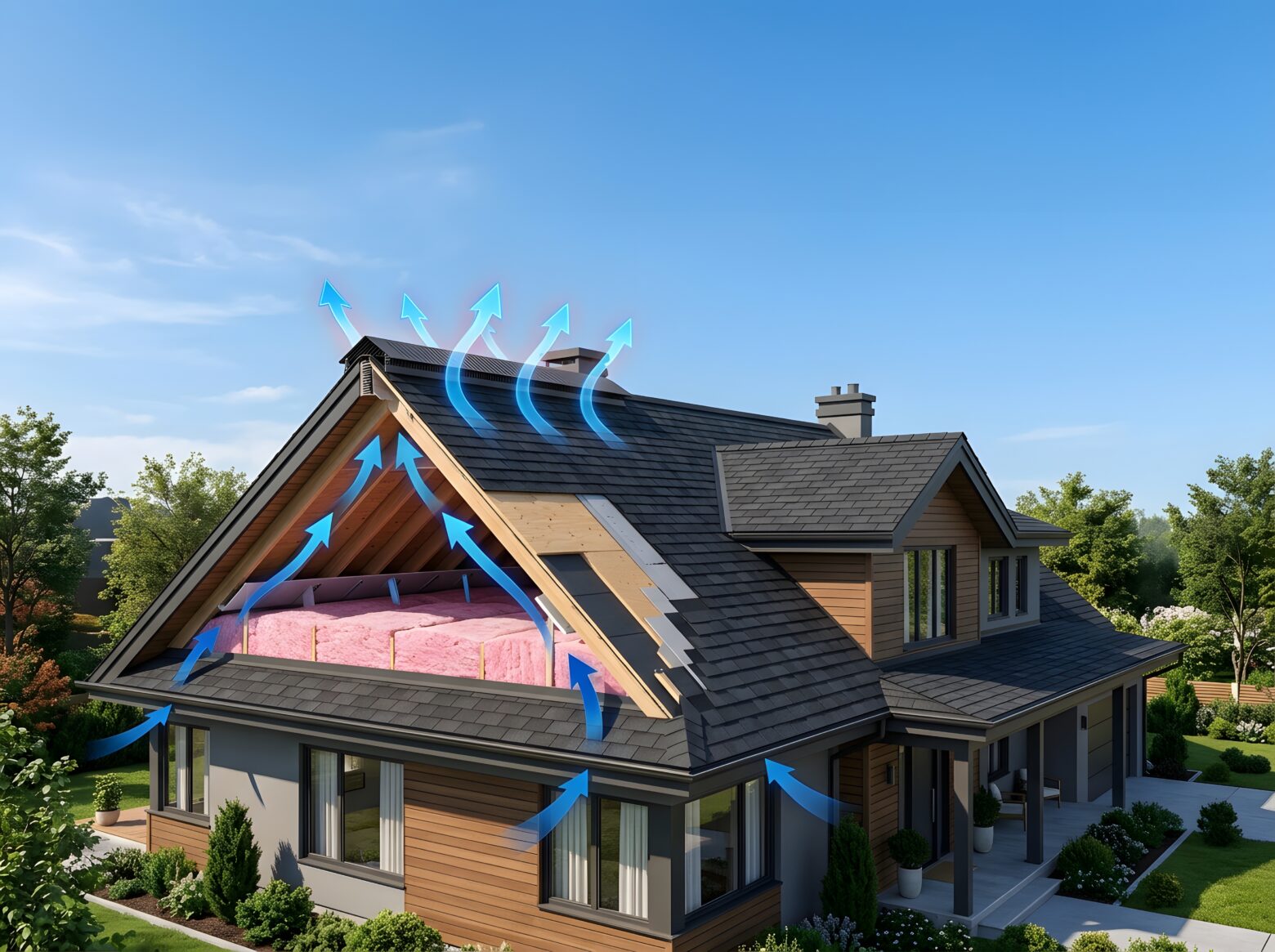
Attic ventilation controls how heat and moisture move through the home. In older Cincinnati homes, poor airflow traps humidity in summer and condensation in winter. This pattern accelerates wood rot and shortens the lifespan of the roofing system, especially in climates influenced by the National Weather Service‘s patterns, where temperature swings and moisture shifts are common.
Flashing and Leak Prevention Around Roof Features
Flashing protects joints where water naturally collects, such as chimneys, valleys, and roof transitions. In Cincinnati’s freeze-thaw conditions, improperly sealed flashing allows water to expand and seep into small gaps. This leads to recurring leaks and interior damage.
Roof Replacement Priorities for Lasting Performance in Cincinnati Homes
Cincinnati, OH, roofing systems perform best when homeowners plan beyond installation day. Seasonal debris, older housing structures, and regional weather patterns all influence long-term results. The sections below focus on material selection, lifespan expectations, maintenance, installation quality, and drainage control.
Choose Roofing Materials Built for Ohio Weather
The best roofing materials for Ohio weather must handle rapid temperature swings, moisture exposure, and wind pressure. Asphalt shingles remain a practical option because they perform reliably under Cincinnati’s mixed climate. They do not require specialized structural changes and pair well with a well-planned roof replacement strategy.
Understand How Long a New Roof Should Last
A new roof’s lifespan depends on how well it handles Cincinnati’s seasonal extremes. Systems that combine strong materials, proper ventilation, and correct installation typically last longer because they resist repeated expansion and contraction.
Keep Your Roof Well-Maintained After Replacement
Routine maintenance plays a larger role in Cincinnati than many homeowners expect. Following consistent roof maintenance practices helps reduce long-term wear. Tree cover in neighborhoods like Hyde Park increases debris buildup, which can trap moisture and speed up wear if not cleared regularly.
Identify Signs of a Quality Roof Installation
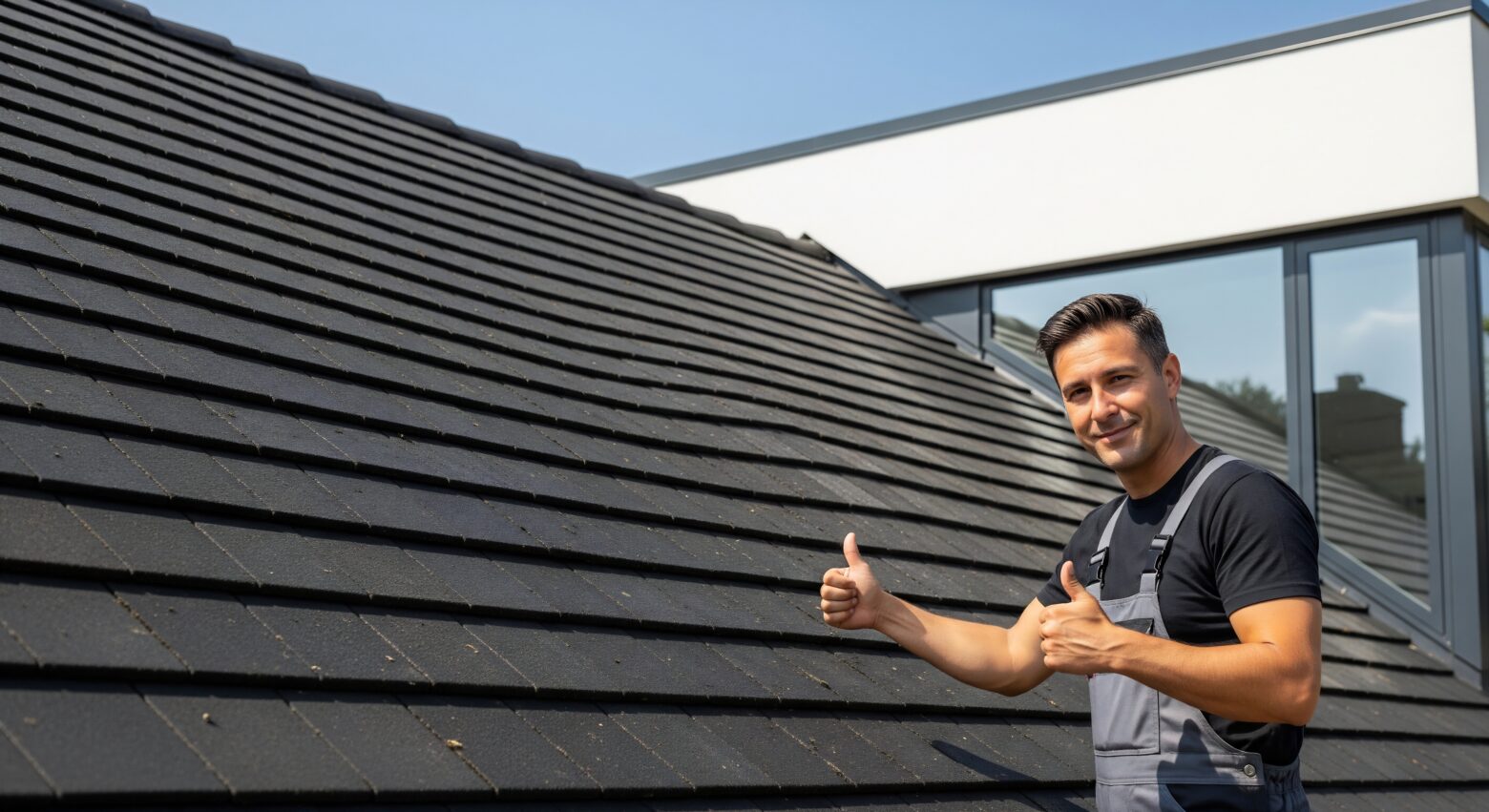
A well-installed roof shows consistency across every detail, from straight shingle lines to tightly sealed flashing. In Cincinnati, these details matter because small installation flaws often worsen after repeated freeze-thaw cycles.
Manage Drainage and Gutter Performance
Drainage systems protect the roof by directing water away from critical edges and foundations. In Cincinnati, clogged gutters and poor runoff control often lead to ice buildup in winter, which places extra stress on shingles and underlying materials.
Protect Your Cincinnati Home With Confidence
Vault Roofing brings clarity to a roofing decision that must perform through Cincinnati’s shifting seasons, from summer humidity to winter freeze-thaw cycles. Clear guidance and a focus on long-term performance help you move forward with confidence. When you are ready to take the next step, contact us to start the conversation.
Frequently Asked Questions
How does the return on investment for roof replacement vary in Cincinnati?
Roof replacement return on investment in Cincinnati depends on material quality, installation accuracy, and ongoing maintenance. Homes exposed to frequent weather changes often see stronger long-term value when systems are installed correctly and maintained.
What are the most important factors that affect roof lifespan?
The most important factors that affect roof lifespan include installation quality, ventilation, drainage, and material durability. In Cincinnati, seasonal weather shifts and moisture exposure also influence how long a roof performs.
How can homeowners protect their roofing investment over time?
Homeowners protect their roofing investment by scheduling regular inspections, keeping gutters clean, and addressing small issues early. Consistent maintenance after replacement helps prevent leaks, structural damage, and premature material failure.
What are the signs of a quality roof installation?
Signs of a quality roof installation include even shingle placement, properly sealed flashing, and balanced attic ventilation. These elements work together to prevent leaks and ensure reliable performance through Cincinnati’s seasonal weather changes.