
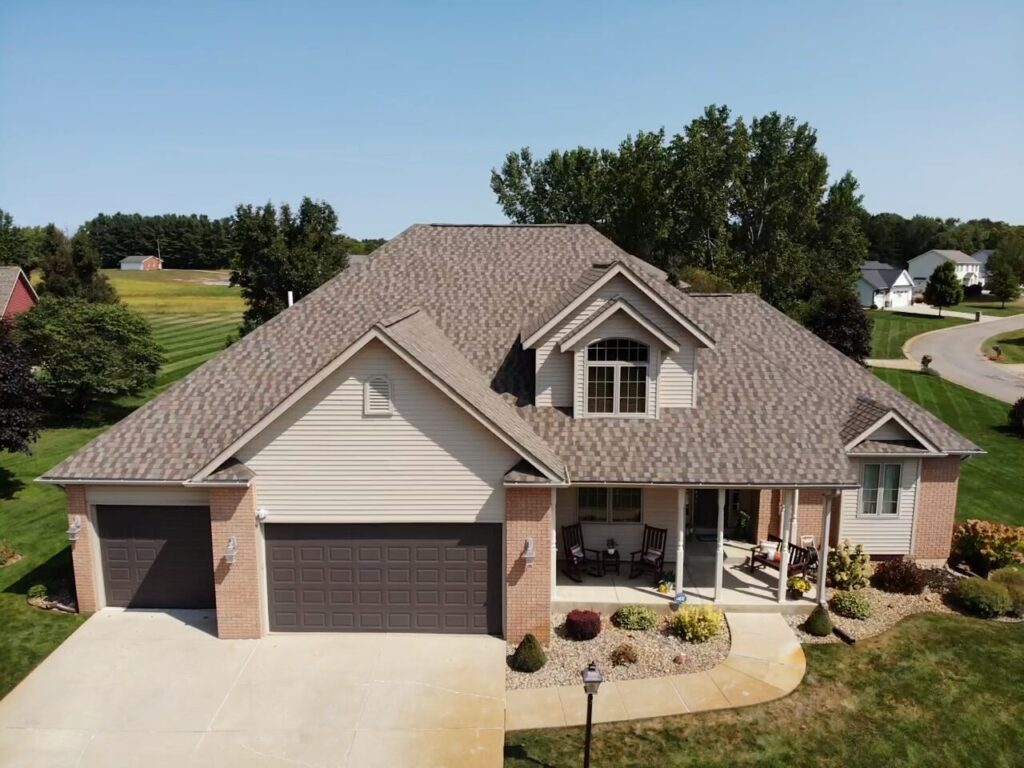
Roofs rarely fail because they simply reach a certain age. In most cases, performance declines after years of small stresses affecting different parts of the roofing system. Materials wear unevenly, ventilation gaps allow excess heat to build, and moisture can move into vulnerable areas that are not immediately visible from the exterior.
In Ann Arbor MI, many homes share similar construction timelines and exposure to Michigan’s distinct seasons. As a result, roof lifespan planning is less about reacting to sudden failure and more about understanding how gradual wear affects long-term performance. The sections below explain what shortens a roof’s lifespan and how homeowners can plan with confidence.
Key Takeaways
- Roof failure typically reflects years of accumulated stress, moisture exposure, and heat buildup rather than the roof’s age alone.
- Hidden moisture and ventilation imbalances often reduce roof performance long before leaks or visible surface damage appear.
- Unresolved minor issues can gradually weaken roofing materials, increasing the likelihood of major damage later.
- Proactive planning based on observed conditions helps homeowners in Ann Arbor make informed decisions about maintenance and roof replacement timing.
Factors That Shorten a Roof’s Lifespan Over Time
Roof damage rarely occurs as a single event. Most roofing problems develop through repeated exposure and unresolved conditions that compound over time. As these pressures persist, materials break down faster, and the roof’s functional lifespan shortens without clear early warning signs. This is why a roofing project often feels sudden, even though the contributing factors have been developing quietly for years.
Roofing materials also respond differently as conditions repeat. In cold winters, freeze–thaw cycles expand small openings, stress fasteners, and allow moisture to travel deeper into the system, accelerating wear beyond what surface inspections reveal.
Identifying Ongoing Moisture Exposure Beneath Roofing Materials
Moisture trapped beneath shingles or other roofing materials leads to steady deterioration. Even without active leaks, water vapor can affect decking, underlayment, and fasteners over extended periods. In the Ann Arbor area, limited airflow in certain roof assemblies allows moisture to linger longer than intended, especially when ventilation pathways are restricted.
Asphalt shingle roofs are particularly vulnerable under these conditions because they absorb and retain moisture at the surface layer. When moisture cannot properly escape, shingles lose structural integrity, fasteners corrode, and the roof’s lifespan shortens well before a new roof might otherwise be expected. What begins as minor issues can quietly spread across larger sections of the roof.
Metal roofs respond differently to moisture exposure. While they shed water efficiently, condensation can still develop beneath panels if underlayment and ventilation are not properly balanced, affecting the roof’s lifespan from below rather than above.
Understanding Heat Buildup and Poor Attic Airflow
Heat accumulation in the attic places ongoing stress on roofing materials. When proper ventilation and adequate ventilation are lacking, hot air becomes trapped, raising temperatures around the roof deck. This prolonged heat exposure accelerates material aging, reduces flexibility, and weakens the roof system over time.
Attic heat affects asphalt shingle roofs and metal roofs in different ways, but the outcome is similar: uneven aging and shortened service life. Temperature imbalances also influence moisture behavior, as warm attic air meeting colder roof surfaces increases condensation risk, further stressing decking and fasteners.
Without proper airflow, these conditions repeat season after season, quietly reducing the roof’s lifespan even when exterior signs remain limited.
Recognizing Drainage Issues Along Roof Edges and Valleys
Inefficient drainage allows water to linger along roof edges and valleys longer than intended. Slowed runoff keeps moisture in contact with vulnerable areas, increasing the risk of rot, weakened decking, and flashing deterioration. Over time, repeated saturation affects surrounding roofing materials and structural components.
In Michigan’s cold winters, drainage problems can also contribute to ice dams forming during winter when melting and refreezing occurs near roof edges. Even when visible damage appears minor, repeated wetting can accelerate deterioration and push small problems toward major damage.
Acknowledging Repeated Minor Damage That Never Fully Gets Resolved
Targeted repairs can extend a roof’s lifespan when underlying causes are addressed. However, repeated surface-level fixes without a broader evaluation often allow contributing problems to persist. Loose shingles or temporary sealants may reduce symptoms while deeper wear continues unnoticed.
Over time, unresolved minor issues place additional strain on the roofing system as a whole. This pattern increases the likelihood that ongoing repairs eventually escalate into major damage requiring roof replacement, often sooner than homeowners expect.
Steps Homeowners Can Take to Protect Roof Longevity
Once long-term stress factors are understood, the next step is taking informed action. Effective roof lifespan planning focuses on evaluating current conditions, addressing vulnerabilities, and maintaining consistent oversight to protect long-term property value.
For many homeowners, the key decision is understanding when roof repairs still make sense and when planning for a new roof becomes the more reliable option. Clear guidance from a roofing contractor helps align timing, budget, and expectations.
Inspect Overall Roof and Attic Conditions
A comprehensive inspection examines exterior roofing materials along with interior conditions such as attic airflow and moisture presence. Reviewing both areas together helps homeowners understand whether current conditions support long-term performance or contribute to gradual decline.
An experienced roofing contractor can identify early warning signs such as decking softness, flashing wear, and ventilation shortfalls. These insights support better planning for maintenance, repairs, or a future roofing project before damage accelerates.
Material comparisons are also part of this evaluation. Asphalt shingle roofs may show surface wear earlier, while metal roofs often require closer inspection at seams, fasteners, and underlayment transitions.
Improve Ventilation and Moisture Control Where Needed
Correcting ventilation gaps and moisture pathways reduces ongoing stress on roofing materials. Proper ventilation allows heat and moisture to escape, helping materials perform more predictably across Michigan’s distinct seasons.
Balanced systems matter. Adequate ventilation requires both intake and exhaust so air moves through the attic rather than stagnating, reducing the conditions that lead to moisture buildup and ice dams during cold winters.
Maintain Drainage Pathways and Protective Components
Ensuring drainage areas remain clear and properly aligned allows water to exit the roof efficiently. Attention to edges, valleys, and flashing limits prolonged moisture contact that accelerates deterioration and leads to avoidable repairs.
Routine maintenance in these areas helps preserve the roof’s lifespan and reduces the likelihood that drainage problems escalate into structural concerns affecting the property.
Address Minor Issues Before They Compound
Responding to minor issues with a broader assessment helps prevent repeated short-term fixes. Addressing contributing factors early supports longer roof performance and reduces the chance that future repairs turn into urgent decisions about a new roof.
When planning moves from ongoing repairs to roof replacement, homeowners benefit from evaluating the right materials, expected lifespan, and installation approach together. This level of planning improves outcomes and overall customer satisfaction.
Let’s Help Protect the Long-Term Value of Your Ann Arbor Home
Roof lifespan planning is about clarity and confidence, not pressure. At Rapid Roofing, our team works with homeowners throughout Ann Arbor and Washtenaw County to help evaluate roof condition honestly and transparently.
If you want guidance from an experienced roofing contractor that prioritizes long-term performance and customer satisfaction, learn more about Rapid Roofing or get in touch through our Contact Us page. A thoughtful evaluation today can help prevent unexpected roofing projects later.
Frequently Asked Questions
How long should a roof realistically last with proper care?
With proper ventilation, quality roofing materials, and consistent maintenance, many roofs reach or exceed their expected lifespan. Material choice, installation quality, attic conditions, and ongoing care all influence long-term performance.
Can ventilation issues really shorten roof lifespan?
Yes. Poor ventilation traps heat and moisture in the attic, accelerating material breakdown. Over time, this stress increases repair needs and reduces the roof’s lifespan.
Is it better to keep repairing or plan for replacement early?
When repairs become frequent, planning ahead often provides better long-term value. Repeated fixes can mask deeper problems, while early planning allows homeowners to choose the right materials and timing.
How often should a professional evaluate roof condition?
A professional evaluation every few years, or after noticeable changes, helps identify minor issues early. This proactive approach supports better maintenance planning and reduces the risk of major damage developing unnoticed.