
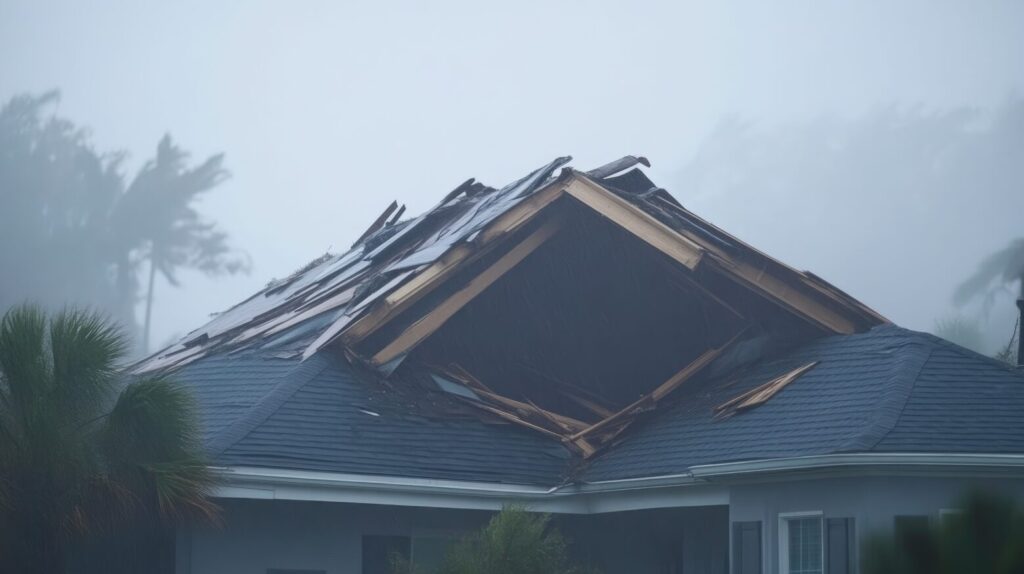
Wind uplift is one of the most common causes of hidden roof damage in the Milwaukee area, especially after strong winds and sustained winds move through communities like Cudahy.
Even when asphalt shingles appear mostly intact from the ground, that may not be the true case. Lifted edges, loose shingles, or shingles lying flat again after high winds can allow water intrusion into the roof system and create costly interior damage.
Knowing how to respond quickly and correctly after wind uplift can help protect your home, prevent further deterioration and reduce energy costs. Long-term performance, strength, and wind resistance of your roof structure are preserved, especially on older styles.
Key Takeaways
- Wind uplift can expose shingle edges and seams, allowing water intrusion even without missing shingles.
- Immediate temporary protection reduces the risk of interior damage after a storm.
- A professional post-storm inspection identifies hidden issues that homeowners often miss.
- Milwaukee-area weather patterns increase the importance of timely roof evaluations.
- Proper repairs performed by experienced professionals help prevent recurring leaks.
Protect Exposed Shingles and Seams After Wind Uplift
When wind forces create uplift pressure and lift shingles or loosen roof seams, immediate action helps prevent water from reaching the roof decking, insulation, and interior spaces below.
Secure Lifted Shingles Before Moisture Enters
Lifted edges and loose or missing shingles create direct pathways for heavy rain, especially during follow-up storms common in surrounding Milwaukee neighborhoods.
From a service provider’s perspective, the priority is stabilizing those shingles. As soon as conditions are safe, using proper installation techniques and professional installation methods that avoid further damage can be completed. This happens while temporarily sealing exposed areas until permanent repairs or emergency services are done.
Address Open Seams and Vulnerable Roof Transitions
Wind uplift and strong winds often separate seams around ridges, valleys, roof edges, and damaged flashing, where roof components are already under stress.
These areas require careful attention. Water intrusion at seams can spread beneath intact shingles and roof decking, leading to rot, mold growth, and structural problems that may not be visible right away to homeowners.
Prevent Secondary Damage Caused by Delayed Response
Waiting too long after wind uplift increases the likelihood of roof leaks, insulation saturation, interior leaks, mold growth, peeling paint, and higher repair costs. Addressing storm and weather damage quickly is critical for Milwaukee-area homeowners.
From a professional standpoint, early intervention not only protects the roof structure and roof components but also helps homeowners avoid insurance complications tied to preventable secondary damage and incomplete repairs.
Post-Storm Inspection Steps for Milwaukee Area Roofs
After high winds, wind speed fluctuations, or storm damage impact a roof, a structured inspection process ensures that visible damage and hidden damage are identified. They can then be addressed properly through a professional roof inspection.
Evaluate Shingle Adhesion and Wind Resistance
Strong gusts common along the Lake Michigan corridor can weaken the adhesive bond holding roofing materials like asphalt shingles in place, reducing the roof’s strength and ability to resist uplift.
A professional inspection focuses on identifying shingles that may reseal temporarily but remain vulnerable to future storms, uplift pressure, and wind forces. They must be addressed with proper roof repair or scheduled for roof replacement when the roof’s age and condition require it.
Inspect Flashing and Metal Components for Separation
Flashing around chimneys, vents, metal roofs, and roof edges often shifts during wind uplift, creating subtle gaps that allow water intrusion into the roof structure.
These components require close inspection because even minor separations can result in roof leaks, interior signs of water damage, and interior issues that develop weeks or months after the initial storm or heavy rain.
Document Damage for Repair Planning and Insurance Support
Accurate documentation of wind-related roof damage is essential for creating an effective repair plan, supporting insurance claims, and helping most homeowners’ insurance policies evaluate significant damage.
From a service provider perspective, proper documentation, detailed photos, and notes help ensure repairs address the full scope of damage. It goes beyond just visible damage, supporting the insurance company review and helping homeowners claim promptly.
Get Professional Help After Wind Uplift
If your roof has experienced wind uplift, wind damage, or storm damage in Cudahy or the greater Milwaukee area, working with a roofing contractor or roofing professional who understands Wisconsin weather conditions would be helpful. Installation methods, roof systems, and how much wind different materials can withstand makes a difference.
Vault Roofing has been serving local homeowners since 1969, providing professional inspections, honest guidance, and repairs built to last.
To schedule a free inspection, routine inspections, emergency repairs, or discuss next steps in the insurance process and insurance claims, contact us to speak with a member of our team.
Frequently Asked Questions
How can I tell if wind uplift caused roof damage?
Wind uplift damage often shows up as lifted shingle edges, loose or missing shingles, cracks, damage, or new roof leaks after a storm. However, some issues are not visible from the ground, including hidden damage to the roof structure or roof decking. This is why professional inspections and early inspections are recommended for Milwaukee-area homeowners after high-wind events.
Is wind uplift damage always covered by insurance?
Coverage depends on your specific policy and the extent of damage. In many cases, wind-related roof damage is covered, but proper documentation and timely reporting are critical to avoid claim delays or denials.
How soon should a roof be inspected after a windstorm?
Ideally, early inspections should take place as soon as it is safe to do so after the storm to minimize disruption, prevent future leaks, and protect your home from structural problems. Early evaluations help prevent additional water damage and allow repairs to be completed before the next weather system moves through the Milwaukee area.
Can lifted shingles reseal on their own?
Some shingles may appear to reseal, but the adhesive bond is often compromised. From a professional standpoint, relying on resealing alone increases the risk of future wind damage and leaks, making proper repair the safer long-term solution.