
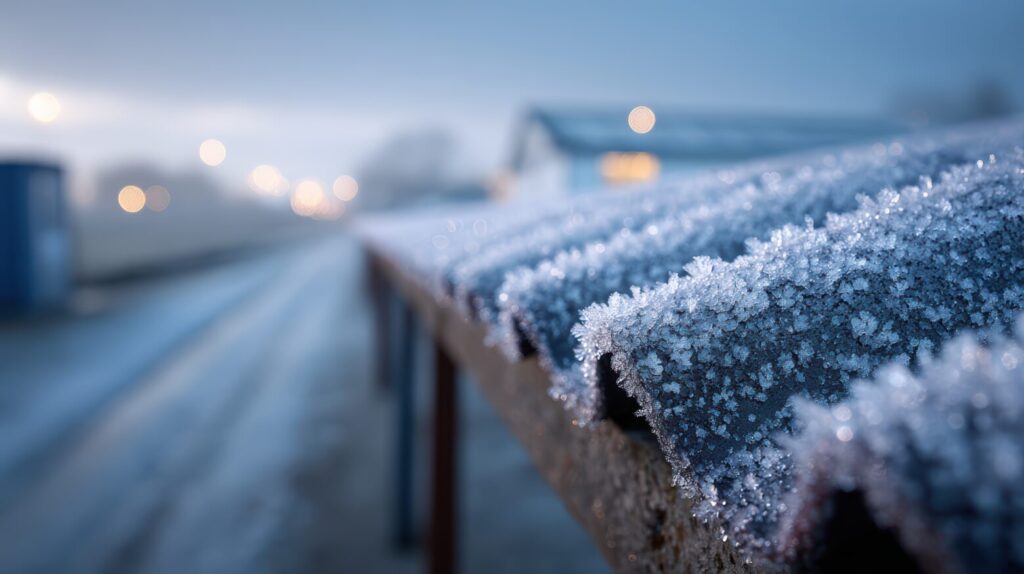
Homeowners in Manchester, NH, face long winters marked by heavy snow and repeated freeze-thaw cycles. Dense snow and ice place ongoing structural pressure on roofing systems. Recognizing early signs of structural roof damage helps prevent a failing roof structure and costly repairs.
Key Takeaways
- Years of heavy snow and ice dams can strain rafters and cause gradual but serious structural damage to the roof.
- Ceiling stains, wall cracks, and uneven rooflines often point to deeper causes of roof sagging.
- Freeze-thaw cycles in Manchester, NH, frequently contribute to moisture damage in roof decking and hidden framing deterioration.
- A detailed inspection helps clarify when to replace a roof and whether the structure remains stable.
Warning Signs of Roof Framing Stress in Southern New Hampshire
Southern New Hampshire winters test every roofing system. Prolonged snow cover and rapid temperature swings create compounding stress on framing components. Scheduling a periodic roof inspection during these cycles helps you identify structural changes before long-term damage escalates.
Visible Roofline Sagging Along the Ridge or Eaves
A permanent dip along the ridge or a visible wave near the eaves often signals long-term structural distortion. Years of cumulative snow weight can gradually compress rafters and alter their original alignment. Unlike temporary winter flexing, this type of sagging remains visible year-round and indicates progressive framing fatigue.
Interior Ceiling Stains That Reappear After Winter
Ceiling stains that return in the same location each spring typically indicate chronic moisture intrusion. Ice dam roof problems allow meltwater to travel beneath shingles, including aging asphalt shingles, and saturate the decking below. Repeated seasonal saturation drives moisture damage to the roof decking and weakens the structural substrate supporting the roofing system.
Cracks Forming Where Walls Meet the Ceiling
Cracks at wall-to-ceiling joints often reflect structural load redistribution. As roof framing members experience stress, that movement transfers downward into drywall seams. These cracks differ from cosmetic settling lines because they widen or reappear after heavy snow seasons.
Doors or Windows That Suddenly Stick After Winter
Doors and windows that bind after winter often point to vertical load pressure on framing walls. Extended snow accumulation increases the downward force across bearing points in the structure. Even subtle compression can shift alignment and reveal the underlying causes of roof sagging.
Uneven or Spongy Feel When Walking in the Attic
A soft or flexing attic floor surface usually indicates deteriorated roof decking rather than framing sag. Moisture trapped during repeated freeze-thaw cycles can break down plywood layers over time. This condition reduces the load distribution capacity and signals advancing moisture damage in the roof decking.
Bowed Rafters or Separated Truss Connections
Bowed rafters or separating truss plates indicate mechanical stress within structural connections. Metal connector plates may lift when lumber shrinks, swells, or shifts under long-term load. These structural roof damage signs reflect joint instability rather than surface material failure.
How to Tell When Ice and Moisture Damage Require a Full Roof Evaluation
Some winter conditions create short-term cosmetic issues. Others signal structural compromise beneath the surface. Distinguishing between the two helps clarify when a full roof replacement is appropriate and when targeted reinforcement may be necessary.
Repeated Ice Dams Despite Adequate Snow Removal
Recurring ice dams often indicate thermal imbalance in the attic, and in some cases, deteriorating drainage systems that may warrant gutter replacement to improve water flow away from the roof edge. Heat loss through insulation melts upper snow layers, even when roof surfaces appear properly maintained. This pattern signals ventilation or insulation deficiencies rather than exterior snow management alone.
Persistent Attic Humidity or Mold Growth
Elevated attic humidity creates structural risk independent of visible leaks. Warm interior air condenses against cold decking during long winter stretches. Over time, sustained moisture exposure increases the likelihood of a roof structure failing.
Noticeable Deflection After Heavy Snowfall
Temporary downward flex during a major storm differs from permanent sagging. In this case, the roof visibly dips under the weight of extreme snow but rebounds fully after thawing. If the roof does not return to its original plane, accumulated snow load roof damage has likely reduced structural stiffness.
Shingle Replacement Without Structural Inspection
Replacing shingles without examining the underlying structure can mask load-bearing weaknesses. New surface materials do not correct compromised decking or overstressed rafters. A structural evaluation ensures the framing can properly support the renewed roofing system.
Aging Roofing Systems With Long-Term Moisture Exposure
Older homes throughout southern New Hampshire often feature framing that has endured decades of winter expansion and contraction. Prolonged exposure to moisture gradually reduces material strength at connection points. Evaluating when to replace a roof includes assessing cumulative structural wear beneath aging roofing layers.
Multiple Interior Repairs Over Several Seasons
Repeated drywall repairs or insulation replacements often treat symptoms rather than causes. If interior issues follow multiple winters, structural stress may remain unresolved. Identifying the broader pattern allows homeowners to choose corrective action instead of temporary fixes.
Do Not Let Hidden Structural Damage Compromise Your Manchester Home This Winter
Vault Roofing recognizes how years of heavy snow, ice dams, and moisture exposure can weaken a roof’s structural integrity. A detailed inspection provides clear insight into the condition of your framing, decking, and support system before another winter adds stress. Direct guidance helps you make informed decisions with confidence and protect your home’s long-term stability. Take the next step and contact us to schedule a structural roof assessment.
Frequently Asked Questions
What are the most common structural roof damage signs in Manchester, NH?
Common signs of structural roof damage include sagging rooflines, recurring ceiling stains, attic moisture, bowed rafters, and interior wall cracks. In Manchester, repeated snow-load roof damage and ice-dam roof problems often drive gradual framing deterioration.
How does snow load roof damage affect a home over time?
Snow load on the roof causes continuous weight on rafters and trusses. Over multiple winters, that pressure reduces structural stiffness, causes sagging, and weakens connections. Without evaluation, long-term stress can compromise the roof system’s overall stability.
Can roof decking moisture damage be repaired without replacing the entire roof?
Limited roof-decking moisture damage can sometimes be repaired if the deterioration remains localized. However, widespread damage or repeated ice-dam roof problems often require a broader structural review to confirm that the framing and decking remain sound.
How do I know when to replace a roof rather than make repairs?
You should consider when to replace a roof by reviewing its age, structural condition, and history of moisture issues. If inspections reveal sagging, widespread decking damage, or persistent leaks, replacement often provides stronger long-term protection than repeated repairs.