
A new roof should give you confidence in your home. Knowing how to tell if a roofer did a good job helps protect your investment. The answer goes beyond straight shingles and a clean driveway. In Detroit, MI, snow, ice, wind, and heavy rain can expose installation problems over time. A reliable contractor should explain the work clearly.
Key Takeaways
- A dependable roofing contractor explains installation decisions, documents completed work, and addresses questions before closing out the project.
- Consistent shingle alignment, properly integrated flashing, and secure roof edges reflect attention to important installation details.
- Detroit’s freeze-thaw cycles make ice protection, attic ventilation, and reliable gutter drainage essential.
- Homeowners can protect their roofing investment by verifying work professionally, reviewing warranties, and maintaining seasonally.
Signs You Hired a Trustworthy Detroit Roofing Contractor
A dependable contractor leaves more than a finished roof. Look for evidence of careful installation, clear communication, and respect for your property.
The Shingles Follow the Roof’s Lines
Shingle courses should follow a consistent pattern across each roof plane. On older Detroit homes, dormers and intersecting rooflines can complicate these transitions. A careful installer maintains alignment without creating awkward cuts or uneven patterns. Straight, consistent courses are a visible sign of quality roof installation.
Flashing Fits the Chimney and Roof Connections
Flashing directs water away from chimneys, walls, and roof openings. Detroit homes with masonry chimneys need properly integrated step flashing and counterflashing to manage rainwater. Metal should fit securely, not rely on thick layers of sealant as the primary barrier. A knowledgeable contractor can explain how these components direct water away from vulnerable joints.
Roof Edges and Ridge Caps Have Secure Finishes
Roof edges and ridges face direct wind exposure. Look for evenly installed ridge caps and neatly finished perimeter shingles. Proper drip edge placement helps guide water away from decking and fascia. These details matter during Michigan’s windy fall weather and repeated winter temperature changes.
Your Contractor Explains the Roofing System
A reliable contractor can identify the asphalt shingles, underlayment, and protective components installed on your home. Ask how each material contributes to the roofing system. The explanation should cover vulnerable areas such as valleys and eaves. Clear answers show familiarity with roofing contractor workmanship standards rather than vague assurances.
Installation Records Show What the Crew Completed
A dependable contractor documents work that homeowners cannot see after installation. Photographs should show decking conditions, underlayment placement, and repairs completed before installing shingles. Written records should also identify approved changes to the original project scope. This documentation helps establish what the crew actually installed.
The Crew Protects Your Property During Cleanup
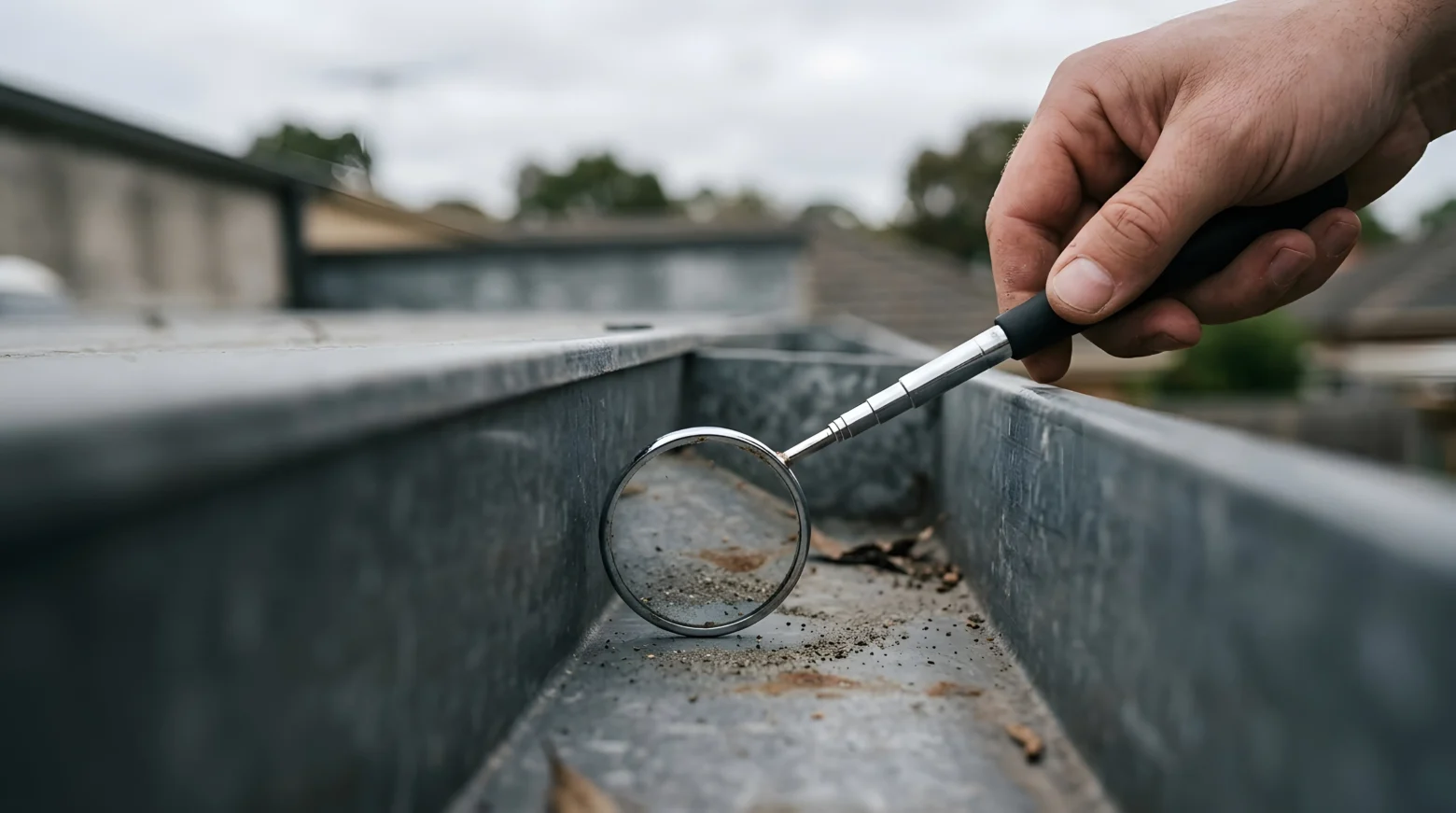
Roof replacement creates debris that can collect around landscaping, driveways, and exterior equipment. A responsible crew uses protective measures and checks the property before leaving. Magnetic nail collection helps locate stray fasteners, although it cannot guarantee removal of every nail. Your contractor should respond promptly if you discover remaining debris.
Steps to Verify Workmanship and Protect Your Roofing Investment
Once the crew finishes, you can take several practical steps to confirm the installation. Focus on technical verification, warranty requirements, and future roof performance.
Arrange an Independent Roof Inspection
Learning how to inspect a newly installed roof involves recognizing the limits of a visual check. A qualified inspector can examine fastening patterns, roof penetrations, and installation details that require roof access. A professional roof inspection can help document concerns that need closer attention. Ask for written findings and photographs of any concerns. This creates a useful basis for discussing specific corrections with your contractor.
Review the Final Project Scope and Invoice
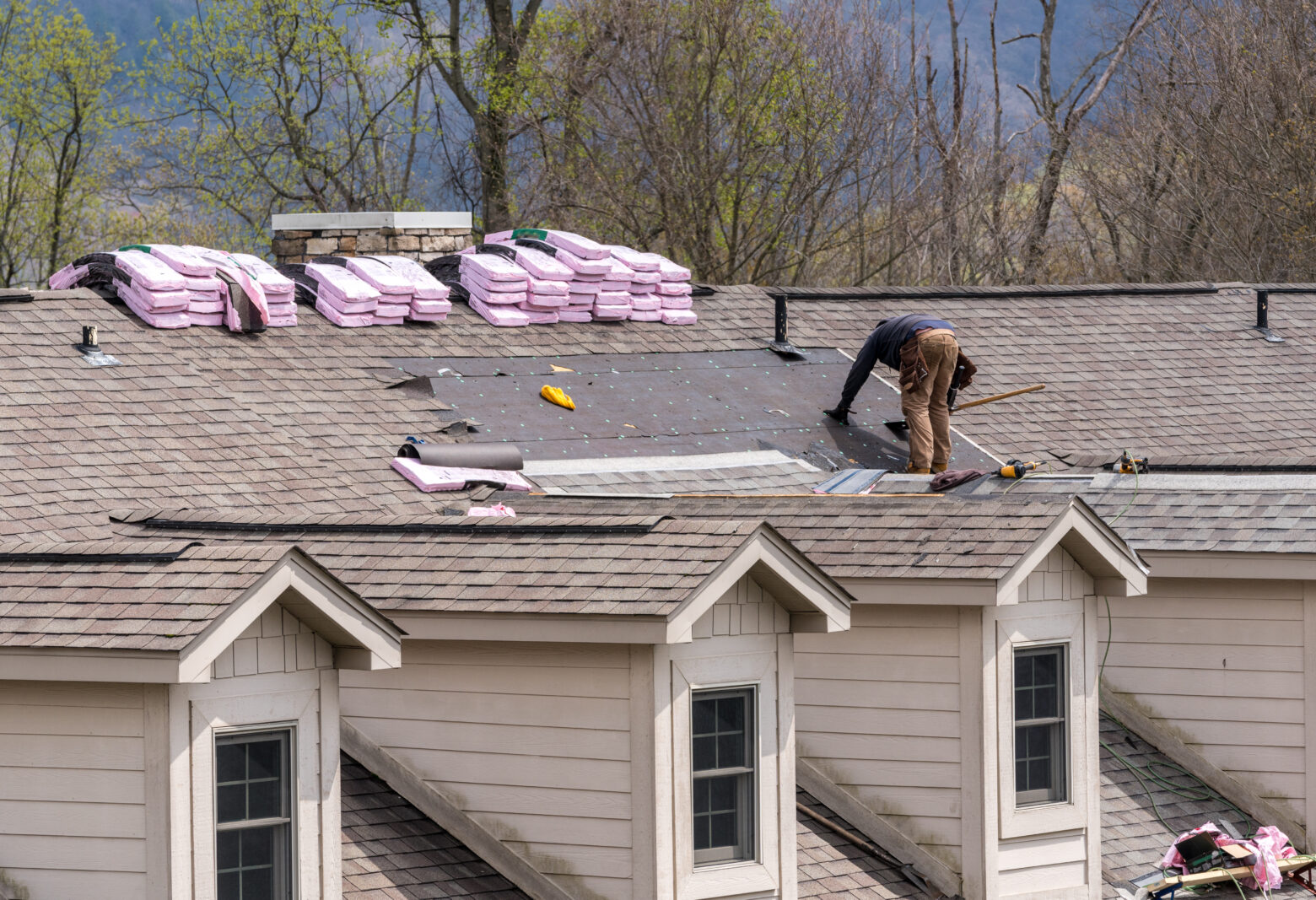
A final walkthrough helps clarify what to expect after roof replacement. Compare the completed project with your signed agreement and approved changes. Ask about unexpected decking replacements, additional materials, or adjustments discovered during tear-off. Confirm that the final invoice reflects the work you authorized.
Verify Ice and Water Protection at Vulnerable Areas
Roof installation quality in Michigan weather depends partly on protection beneath the shingles. Detroit’s freeze-thaw cycles can contribute to ice dams near roof eaves. Ask your contractor where the crew installed ice-and-water protection. Confirm that the placement meets applicable codes and manufacturer instructions for your roofing system.
Confirm Attic Ventilation Meets Manufacturer Requirements
Attic ventilation helps manage heat and moisture year-round. Ask your contractor to document the intake and exhaust ventilation configuration. Manufacturer requirements involve specific calculations and installation details. Incorrect ventilation can void applicable warranty coverage, even when a certified contractor installs the roof.
Understand Your Roofing Warranty Coverage
Material warranties cover qualifying product defects, while contractor labor warranties cover installation obligations, subject to their terms.
Owens Corning Platinum Protection offers eligible roofs 25 years of manufacturer-backed workmanship coverage. It also provides 50 years of non-prorated TruPROtection material coverage.
Covered workmanship repairs can include labor, materials, tear-off, and disposal. Homeowners submit eligible workmanship claims to Owens Corning, which handles inspections and covered repairs even if Vault closes. Vault’s transferable lifetime workmanship warranty remains separate.
Document Interior Warning Signs After Installation
Some signs of improper roof installation become apparent inside the home. Watch for new ceiling stains, damp attic insulation, or moisture around roof penetrations. These symptoms do not automatically prove installation errors. Record their locations and timing so an inspector can investigate possible causes.
Test Gutter Drainage During Rainfall
Observe your gutters during a steady rainfall from a safe location. Water should flow toward downspouts without spilling over the edges. Check whether downspouts discharge water away from the foundation. Detroit’s winter temperatures can worsen drainage problems when trapped water freezes. Consider gutter repair or gutter replacement if your system struggles to manage runoff.
Establish a Seasonal Roof Maintenance Routine
Detroit homeowners can create a maintenance schedule that reflects Michigan’s seasonal conditions. After autumn leaf fall, check accessible gutters for blockages. Following winter, look for visible damage caused by snow or ice. Arrange professional assessments after significant storms or when you notice changes. These steps can help you prepare for Michigan’s seasonal weather.
Put Your New Roof to the Test With a Professional Installation Review
Vault Roofing can help you examine installation details that affect long-term roof performance, including flashing, fastening, and attic ventilation. If your recent roof replacement raises questions, investigate them before Michigan’s next freeze-thaw cycle.
Our team can assess your concerns and explain the appropriate next steps. Contact us today to schedule a professional roof inspection and better understand your roofing investment.
Frequently Asked Questions
How can I tell if my new roof was installed correctly?
Check for consistent shingle alignment, secure flashing, finished roof edges, and complete installation records. A qualified inspector can verify technical details that homeowners cannot safely examine themselves.
What should I do if I notice problems after roof replacement?
Photograph the concern and record when it appeared. Contact your contractor and request an inspection. Avoid climbing onto the roof. Keep copies of the findings and any repair recommendations.
Does a roofing warranty cover poor installation?
Coverage depends on the warranty. Material warranties address qualifying product defects. Contractor labor warranties cover installation obligations. Eligible manufacturer-backed workmanship warranties can cover qualifying installation errors under their terms.
How soon should Detroit homeowners inspect a newly installed roof?
Review the finished project when installation ends. Schedule additional inspections if you notice leaks, interior moisture, or storm damage. Continue seasonal checks to monitor your roof’s condition.