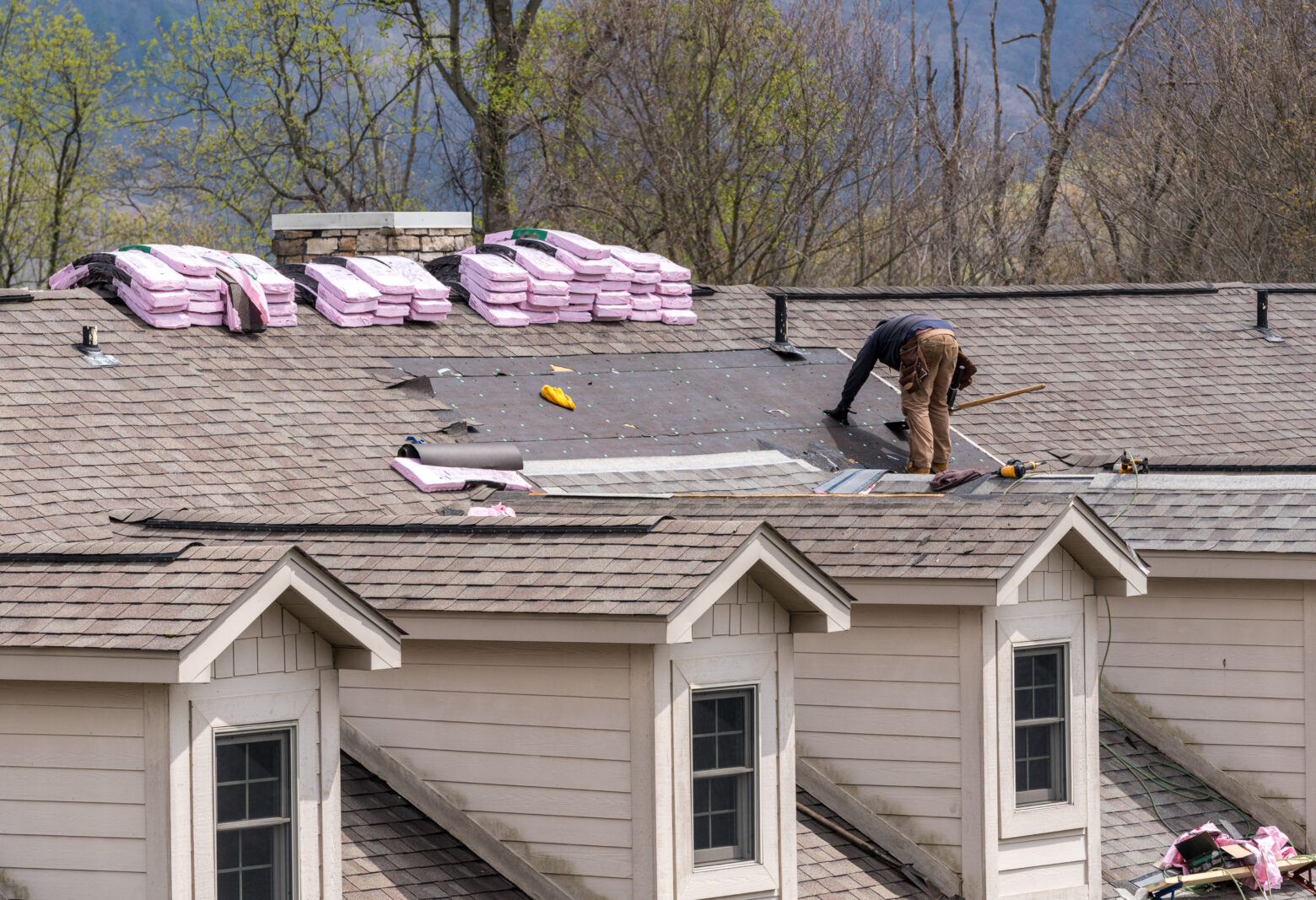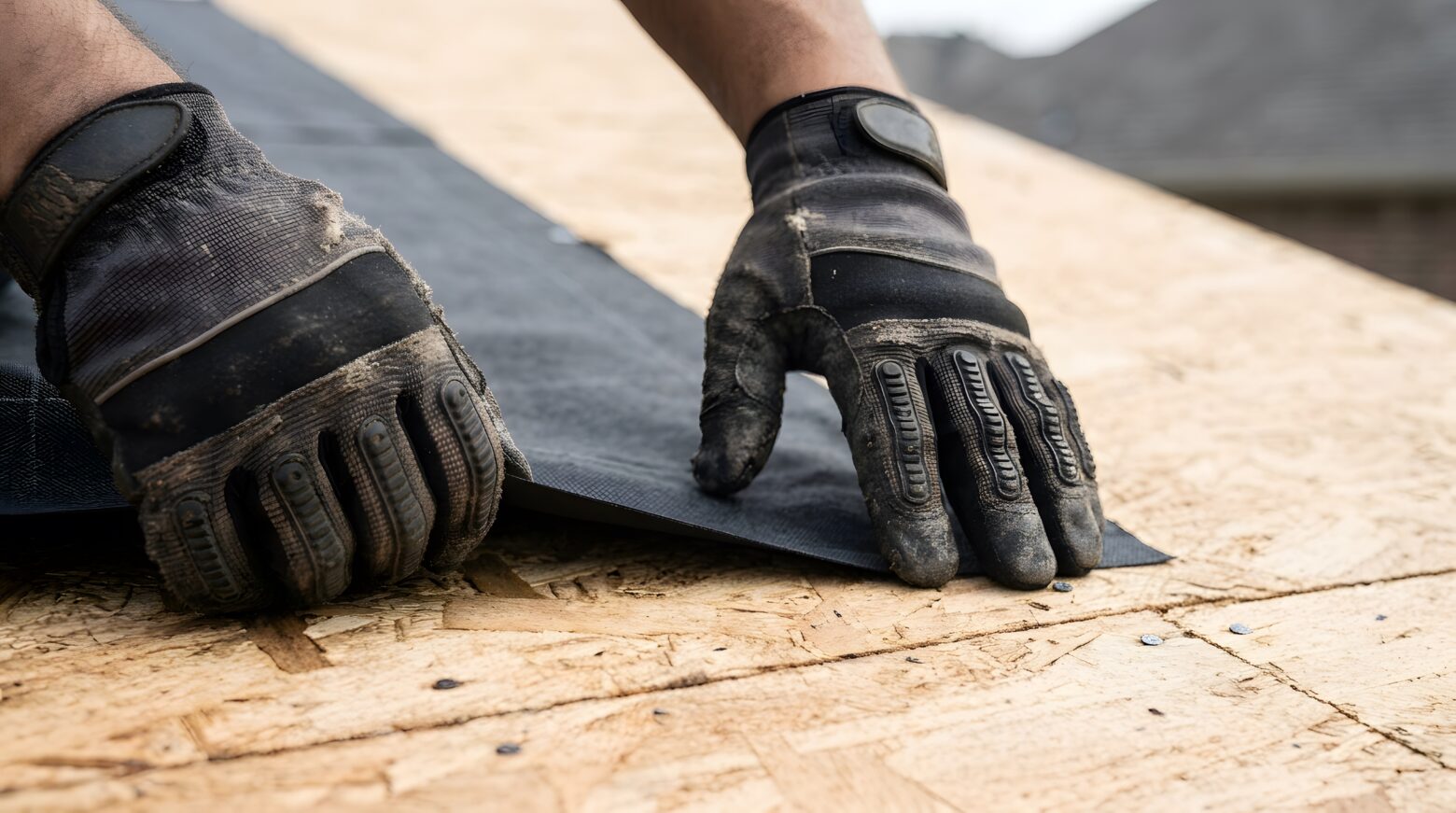
Detroit, MI, homeowners often delay roof replacement while weighing their options. Some wait for visible failure before taking action. At first, postponing replacement can seem practical. In Southeast Michigan, long winters, lake-effect moisture, and rapid spring thaws rarely give roofing systems extra time. Across Metro Detroit neighborhoods filled with mid-century homes and aging housing stock, minor roofing issues can escalate quickly. What starts small can affect framing, insulation, and interior finishes.
Key Takeaways
- Delayed roof replacement in Metro Detroit allows moisture to move beyond shingles and into decking, framing, and insulation.
- Freeze-thaw roof damage accelerates material breakdown during Michigan’s late-winter temperature swings.
- Clear roof replacement warning signs often indicate that roof leak damage in Detroit homes has already reached structural components.
- Early roof replacement planning protects your home’s structure and reinforces long-term value with dependable lifetime protection.
Signs Roof Damage Is Reaching Your Home’s Structure in Detroit
Roof damage rarely stays limited to the surface. Detroit’s fluctuating winter temperatures and heavy spring rains expose weaknesses quickly. Recognizing roof replacement warning signs early helps prevent structural deterioration. Scheduling a professional roof inspection at the early warning stage can clarify whether structural components remain protected.
Persistent Interior Ceiling Stains
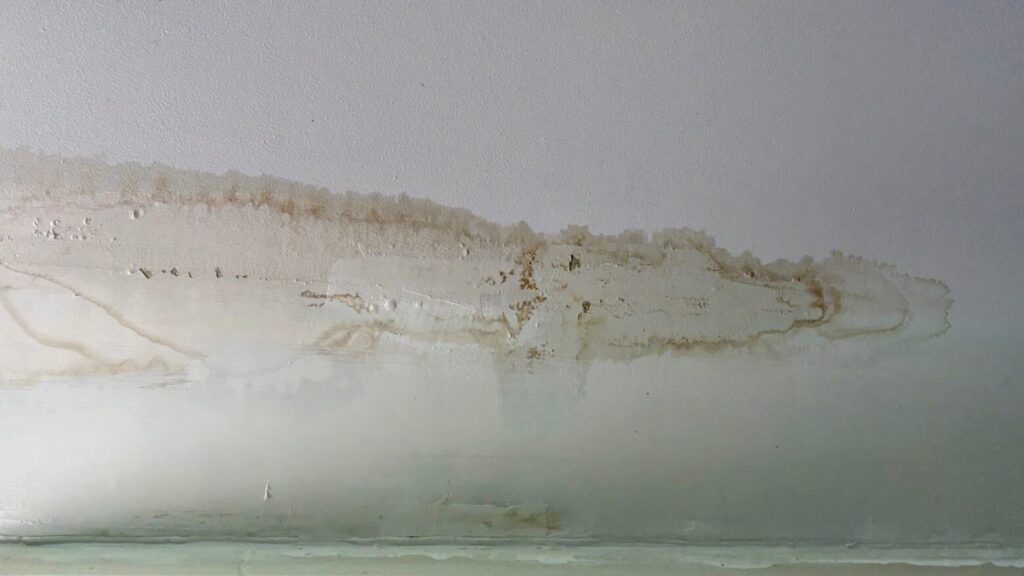
Ceiling stains that return after heavy rain or rapid snowmelt signal ongoing intrusion. In Metro Detroit, late February thaws often push melting snow beneath aging shingles. Water then travels past the shingle layer and reaches the roof decking. Many Detroit, MI homes built decades ago use older plywood that weakens more quickly with repeated exposure. Over time, that moisture steadily reduces structural strength.
Soft or Spongy Roof Decking
Soft decking underfoot during an inspection indicates trapped moisture beneath aging shingles. In many cases, deterioration begins within aging asphalt shingles that no longer provide reliable surface protection. Southeast Michigan’s humidity and prolonged winter dampness slow the drying process. Saturated materials lose density and stability over time.
This condition often leads to structural damage to older roofs in homes throughout Wayne, Oakland, and Macomb counties. As deterioration progresses, the roof system loses load-bearing strength.
Sagging Roof Lines or Uneven Planes
A wavy or uneven roofline points to movement within the structural system. Freeze-thaw roof damage drives expansion and contraction during Detroit’s frequent temperature swings between freezing and above-freezing temperatures. That repeated stress loosens fasteners and weakens decking connections.
Over multiple winters, rafters and sheathing shift out of alignment. Visible dips usually indicate structural strain rather than surface wear.
Granule Loss and Shingle Breakdown
Large amounts of granules in gutters signal advanced shingle wear. The asphalt shingle lifespan Michigan homeowners expect often shortens due to ice buildup and summer heat reflecting off urban surfaces. When shingles lose granules, they lose protective capacity against wind-driven rain common in Metro Detroit storms. Water then penetrates more easily beneath the surface. This risk increases as aging materials no longer perform as a complete roof replacement system designed to withstand Michigan weather extremes.
Structural components are subject to direct and repeated exposure.
Mold Growth in the Attic
Mold in the attic or persistently damp insulation signals chronic moisture problems. Compromised roofing materials allow water to enter the assembly. In Detroit, MI, heavy snow accumulation followed by sudden thaws increases the risk of infiltration. Older ventilation systems in established neighborhoods may struggle to manage trapped humidity. Ongoing moisture promotes wood rot and microbial growth. Over time, framing members weaken and lose structural reliability.
When Metro Detroit Homeowners Should Plan Roof Replacement Steps
Waiting for visible failure rarely protects your investment. Detroit’s climate patterns make timing essential. Proactive roof replacement planning reduces long-term structural risk. Homeowners should evaluate whether full roof replacement is more practical than continued patch repairs.
When the Roof Nears the End of Its Expected Lifespan
Every roofing system has a defined service life. The asphalt shingle lifespan in Michigan conditions often falls below national averages because of freeze-thaw cycles and storm exposure. In Metro Detroit, roofs commonly face ice dams along eaves during prolonged cold spells. As shingles approach the end of their lifespan, delayed roof replacement increases the risk of moisture intrusion into decking and rafters.
After Repeated Seasonal Repairs
Frequent patch repairs within a short period signal broader system decline. Surface fixes address isolated damage but do not correct systemic wear. Detroit homeowners often notice recurring issues after heavy spring rainstorms or high winds off the Great Lakes. As deterioration spreads, repairs become less effective. The cost of waiting to replace roof systems often exceeds the cost of a full replacement once structural decay develops.
Following Significant Storm Activity
Metro Detroit experiences strong winds, ice events, and heavy snow loads each winter. These forces strain roofing systems and underlying decking. Damage that appears minor on the surface may conceal a deeper compromise. Exterior drainage components, such as aging gutter replacement systems, can influence how water moves away from the roofline. Moisture can penetrate through lifted shingles or loosened flashing after intense summer thunderstorms.
A professional evaluation after severe weather confirms whether the structure remains sound.
When Energy Efficiency Declines Noticeably
A sudden rise in heating or cooling costs can indicate roofing deterioration. In Detroit, older homes often rely on attic insulation that loses effectiveness when exposed to moisture. Damaged underlayment and poor ventilation allow conditioned air to escape during freezing winters and humid summers. Moisture can also accumulate within the roof assembly. Replacing the roof at this stage restores system performance and protects framing from extended exposure.
Before Selling or Refinancing a Home
An aging roof complicates inspections during a sale or refinance. In competitive Metro Detroit real estate markets, buyers and lenders scrutinize structural integrity closely. Unresolved roofing issues often delay approvals or reduce offers. Addressing roof-replacement warning signs early strengthens your negotiating position. It also demonstrates responsible home stewardship in Detroit, MI, neighborhoods.
Take the Next Step Toward Lasting Protection for Your Detroit Home
Vault Roofing provides Detroit, M, homeowners with thoughtful craftsmanship and clear guidance when roof replacement becomes necessary. Acting early protects structural integrity before moisture and decking deterioration increase the cost of waiting to replace roof systems. Michigan’s demanding freeze-thaw cycles and heavy seasonal precipitation require durable materials and precise installation.
If you are seeing signs that the roof needs replacement, the next responsible step is to contact us to schedule a professional evaluation.
Frequently Asked Questions
How long can I safely delay roof replacement in Detroit?
The safe delay depends on the roof’s age and condition. In Metro Detroit, rapid freeze-thaw cycles and heavy spring rains accelerate moisture intrusion. Even a short postponement can increase the risk of structural deterioration.
What are the most serious signs that the roof needs replacement?
The most serious signs that the roof needs replacement include sagging roof lines, widespread granule loss, persistent leaks, and soft decking. In Detroit, MI homes, these conditions often confirm that moisture has already reached structural components.
Does freeze-thaw roof damage really affect the structure?
Freeze-thaw roof damage directly affects structural integrity. Water enters small gaps, freezes, expands, and forces materials apart during Michigan’s winter cycles. Repeated expansion weakens connections between decking, fasteners, and framing.
What is the cost of waiting to replace roof systems?
The cost of waiting to replace roof systems can include decking replacement, mold remediation, insulation repair, and interior restoration. In Metro Detroit homes, prolonged exposure to moisture often increases the scope and cost of repairs.