
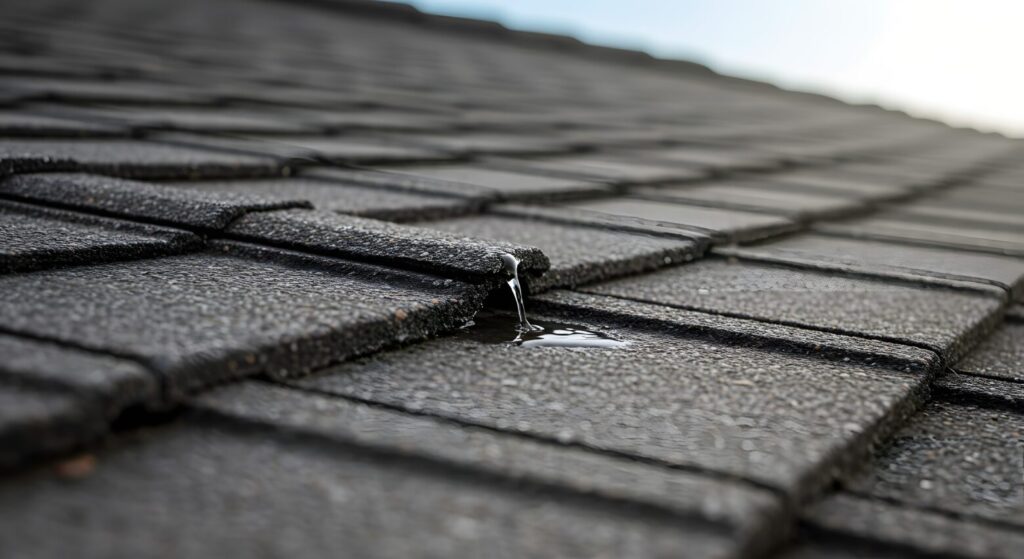
High winds can wreak havoc on even the most well-built roofs. In Cincinnati, strong spring and summer storms can lift shingles, creating a major risk of water intrusion for homeowners. The damage may not always be visible, but once water seeps beneath compromised shingles, it can quickly spread through your attic and ceilings.
The best protection starts with understanding how uplift occurs and taking immediate action to stop leaks before they start.
Key Takeaways
- Cincinnati’s seasonal storms can loosen shingles and create hidden leaks.
- A prompt inspection prevents interior water damage from worsening.
- GAF Master Elite contractors ensure repairs meet top quality standards.
- Preventive maintenance and drainage control protect long-term roof performance.
How Cincinnati Homeowners Can Stop Water Intrusion After Wind Uplift
Once high winds have lifted roof materials, the protective barrier against moisture is weakened. Addressing this quickly helps maintain structural integrity and safeguards your home’s interior.
For homeowners in Cincinnati, strong winds and seasonal storms often stress roofing systems, making immediate action after a wind event essential.
Below are the key strategies every homeowner and property manager should prioritize to prevent long-term water intrusion and roof damage.
Sealing Exposed Shingle Edges Immediately
When shingles are partially lifted, even a small gap allows rain to penetrate beneath the surface. Applying temporary sealant or scheduling prompt repair can prevent serious moisture infiltration. Technicians trained in GAF asphalt systems can reseal damaged areas and inspect underlayment.
They can also determine if targeted roof replacement is needed to restore full protection. This helps reduce repair costs, prevent leaks, and protect the roof system during severe weather.
Ensuring Gutter Systems Direct Water Away Efficiently
A functional drainage system is essential after strong winds. Loose debris, detached gutter hangers, or separated downspouts can cause water to pool near compromised shingles and fascia.
Properly installed gutters and guards help direct water away, reducing intrusion and protecting vulnerable roof edges.
Local professionals familiar with Cincinnati’s heavy rainfall can realign and reinforce your system to ensure proper drainage and maintain energy efficiency.
Using Professional Inspections to Identify Hidden Moisture Paths
Even without visible signs, damage may exist in the decking or flashing. Certified inspectors use moisture meters and attic checks to find hidden water entry points.
For storm-damaged homes, working with a GAF Master Elite contractor ensures accurate diagnosis and code-compliant repairs. They can also provide emergency tarping or permanent solutions to stabilize affected areas.
Inspection Priorities and Timing for Post Storm Roof Protection
Timing is critical after a storm. Cincinnati’s humid climate allows moisture to spread quickly, turning minor seepage into structural damage if ignored. Areas like Mason, Monroe, and Oakley often face wind and rain that worsen hidden leaks.
After strong winds, prioritize early detection and professional inspections. This helps prevent costly repairs and protects your home’s overall condition.
Scheduling Inspections Within 24 to 48 Hours After High Winds
Prompt action reduces the chance of secondary water damage. Certified roofers can assess shingle adhesion, seal integrity, and deck stability soon after a storm passes. Early intervention also simplifies insurance claims and limits the cost to repair wind uplift roof damage.
If emergency roof repairs or tarping are needed, professionals can respond quickly to prevent further damage and minimize downtime for residential or commercial properties.
Prioritizing Flashing and Valley Areas for Moisture Checks
Metal flashing and roof valleys often experience the highest wind pressure. Even minor bends can redirect water beneath the surface, leading to mold or structural issues over time.
Specialists in roof restoration can reseal flashing joints, reinforce valleys, and confirm the underlayment remains watertight.
Addressing these details helps protect your home from heavy rain, reduce safety risks, and maintain curb appeal while preventing ice dams during winter.
Aligning Inspection Schedules With Seasonal Storm Trends
Cincinnati typically experiences severe storms in late spring and early fall. Homeowners should schedule at least one comprehensive roof inspection each season to stay prepared.
By aligning inspections with local weather cycles and building codes, property owners can protect the roof deck and identify issues early. This helps avoid emergency roof tarping or major repairs.
Staying proactive helps roof materials perform year-round and prevents future water intrusion.
Keep Your Cincinnati Roof Watertight After Every Storm
If recent storms have exposed your roof to high winds or water intrusion, now is the time to act. Vault Roofing provides expert inspections and full-scale roofing services for Cincinnati homeowners and property managers. Our specialists can pinpoint hidden damage and restore proper drainage to safeguard your home from future storms and water intrusion.
Schedule your free estimate today to get started. Our Cincinnati professionals will ensure your home remains watertight, resilient, and ready for the next storm season.
Frequently Asked Questions
How can I tell if wind uplift caused hidden damage to my roof?
Look for materials, missing shingles, curled edges, or attic leak signs. Wind damage may seem minor, but affect the system, requiring professional assessment. Prompt inspections prevent further damage and ensure lasting repairs protect your home.
Is wind uplift damage covered by insurance?
Most homeowner policies cover wind uplift and storm damage. Provide detailed documentation and photos before temporary repairs. Insurance usually covers emergency tarping, roof deck restoration, and permanent repairs if you act quickly after major storms.
What are the best maintenance tips after a high-wind event?
Clean debris from gutters, install guards, and check for loose shingles after storms. Timely inspections reveal hidden damage, reinforce flashing, and prevent water intrusion, protecting drainage, efficiency, and your home’s curb appeal over time overall.
When should I consider roof replacement after storm damage?
If your roof has structural damage, recurring leaks, or storm-related weak spots, a replacement may be the best defense. A new roof with modern materials and professional installation improves efficiency and reduces long-term repair costs.